Spiega documentation
- Knowledge sharing
- Portfolio
prediction
Definition and training of the models, feature importance and feature selection.
latency prediction
We want to distinguish the camera latency into different danger classes and be able to predict them depending on the other parameters.
If we use 2 or 5 classes the results are different
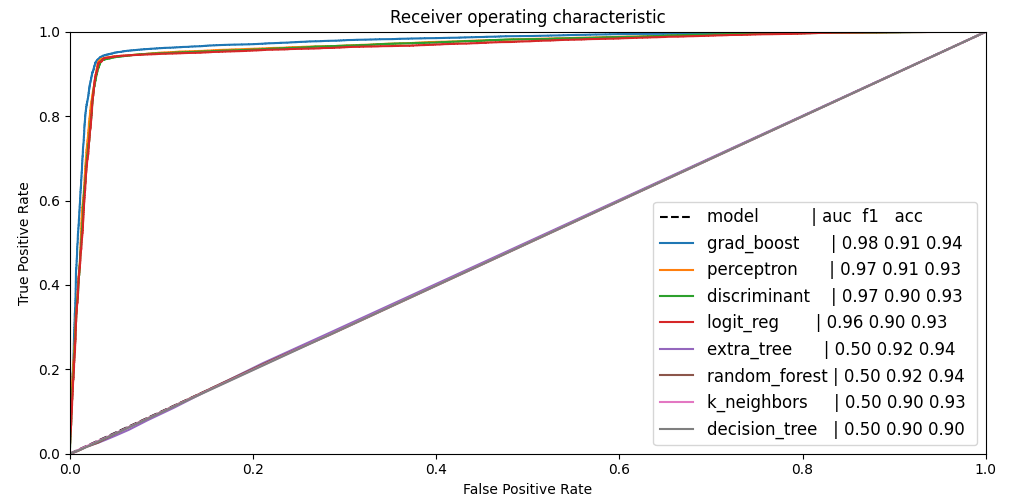
prediction on two classes
Perfomances decrese when we want to increase the number of classes
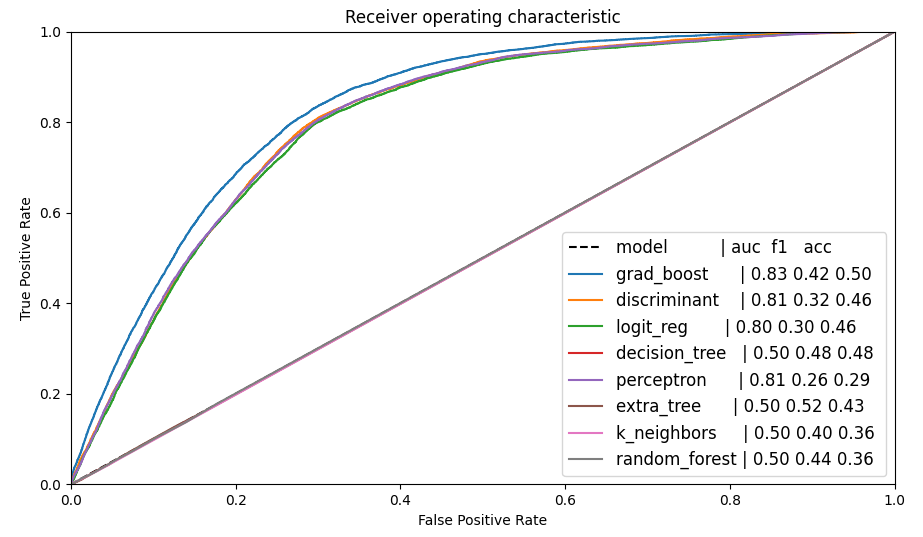
prediction on two classes
If we consider only the incident set we see that training is more difficult
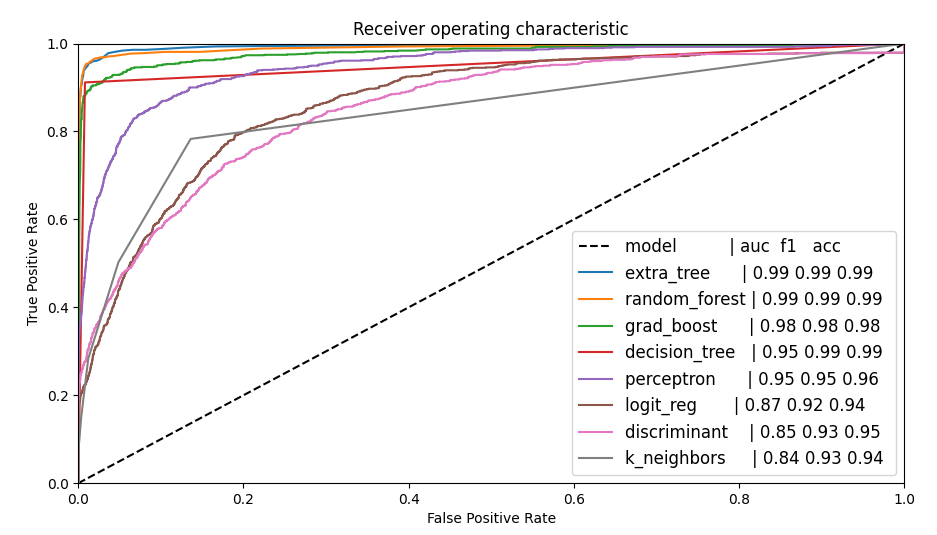
prediction of spikes on incident time series
The confusion matrix shows really few counts outside of the diagonal
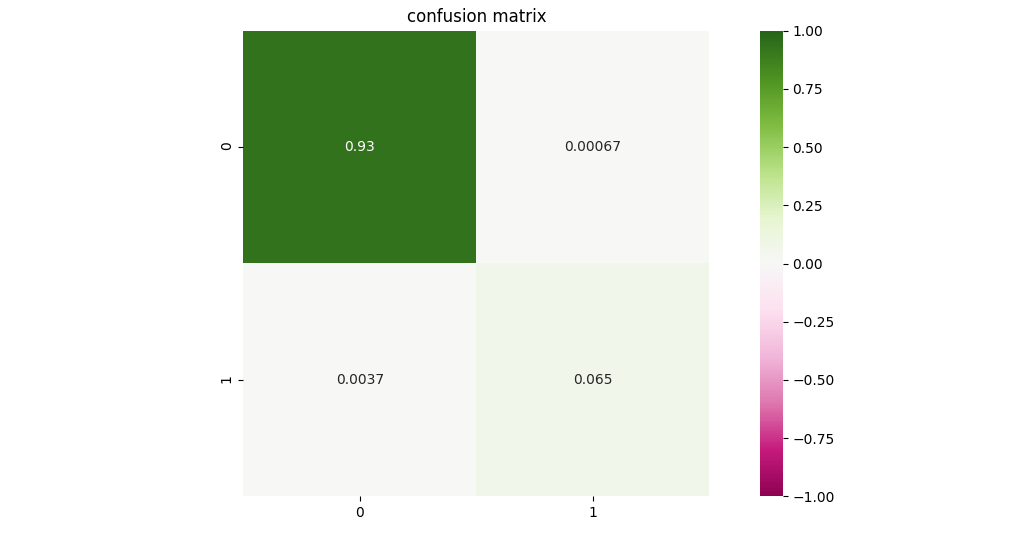
confusion matrix of the spike prediction
feature importance
Iterating over different models we see different performances and feature importance. Despite differences we see that most of the model consider modem issues as the most relevant for spike prediction
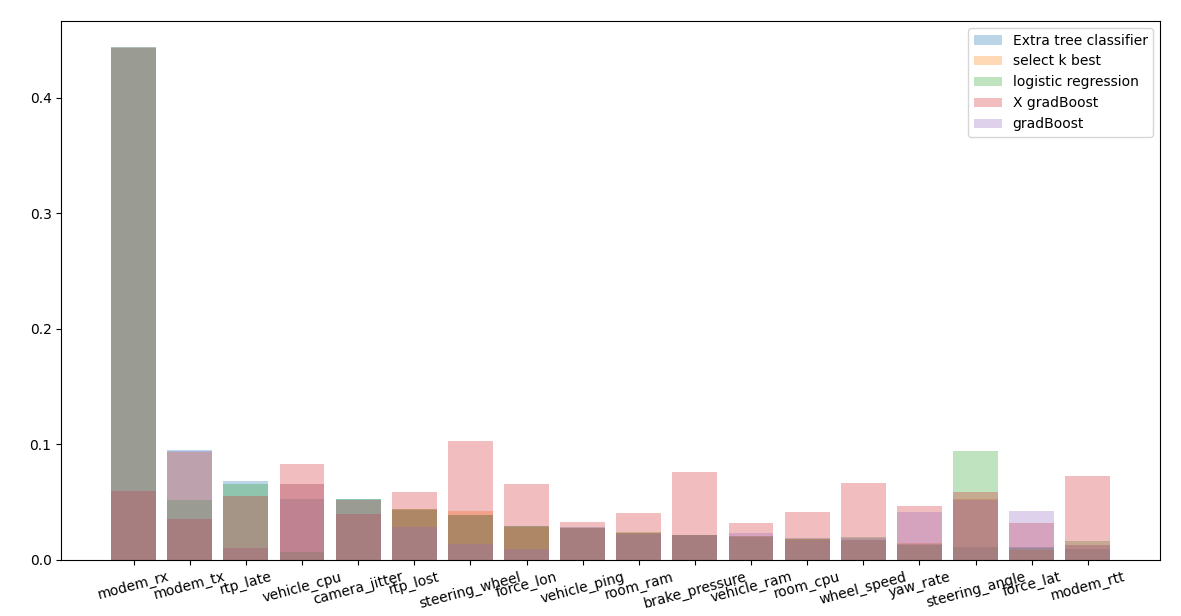
feature importance according to different models
Running a simple regression results are pretty clear
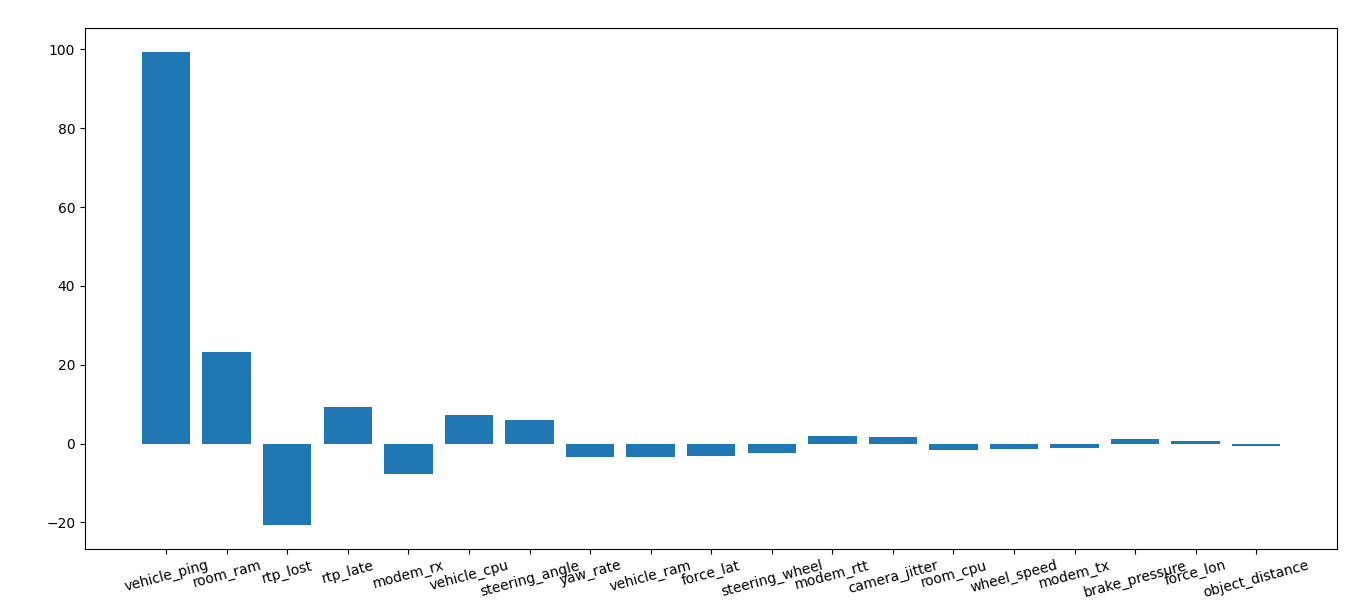
feature regression
spike prediction
Code: train_spike .
We want to understand which are the most important predictors for camera latency.
We create the most simple regressor as baseline model to set the reference performance to test other models
model = Sequential()
model.add(Dense(layer[0],input_shape=(n_feat,),kernel_initializer='normal',activation='relu'))
model.add(Dense(1, kernel_initializer='normal'))
model.compile(loss='mean_squared_error', optimizer='adam')
We train the model on the complete dataset and than iterate for each single series
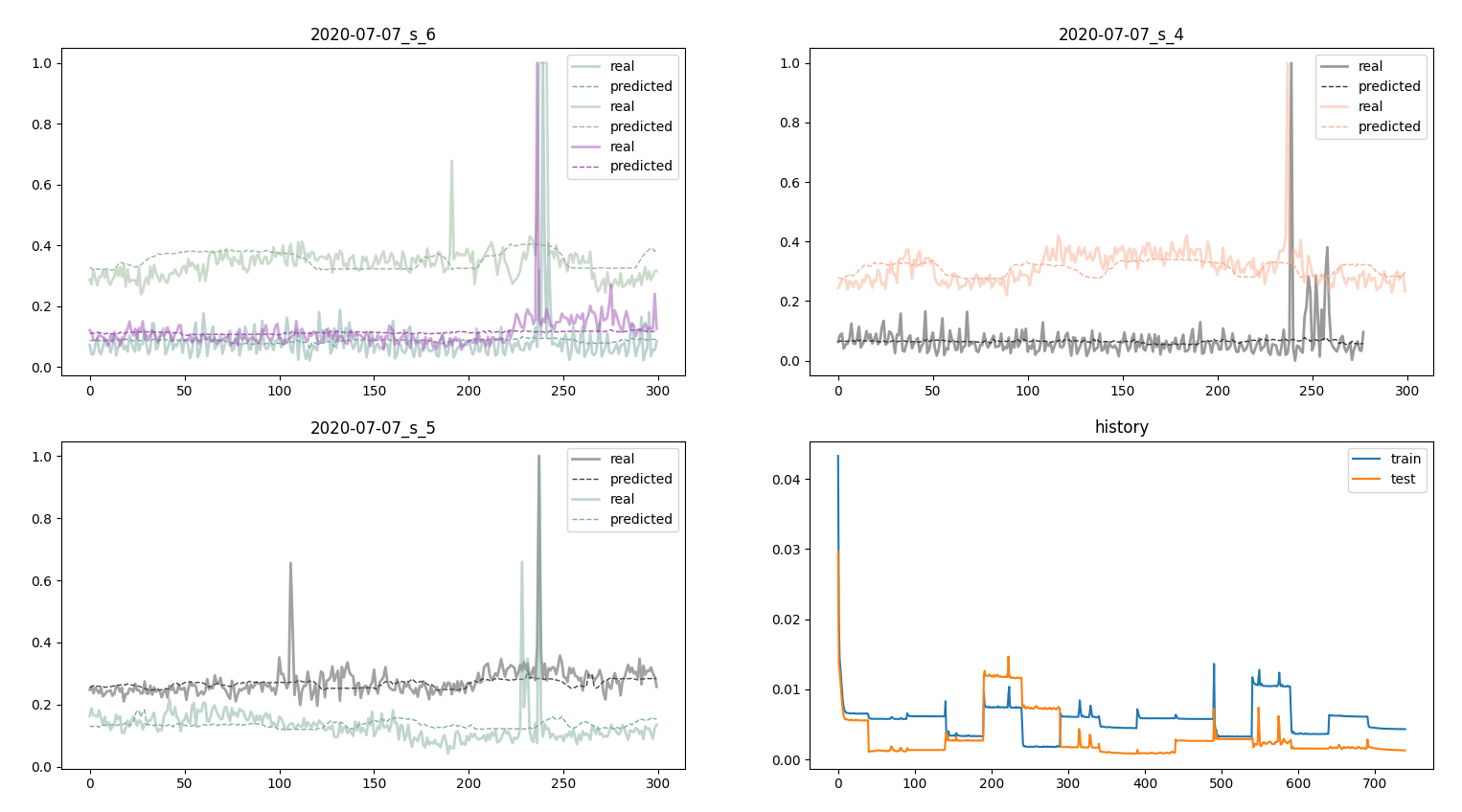
performance of the baseline model
We see that in the baseline model only a peak is predicted.
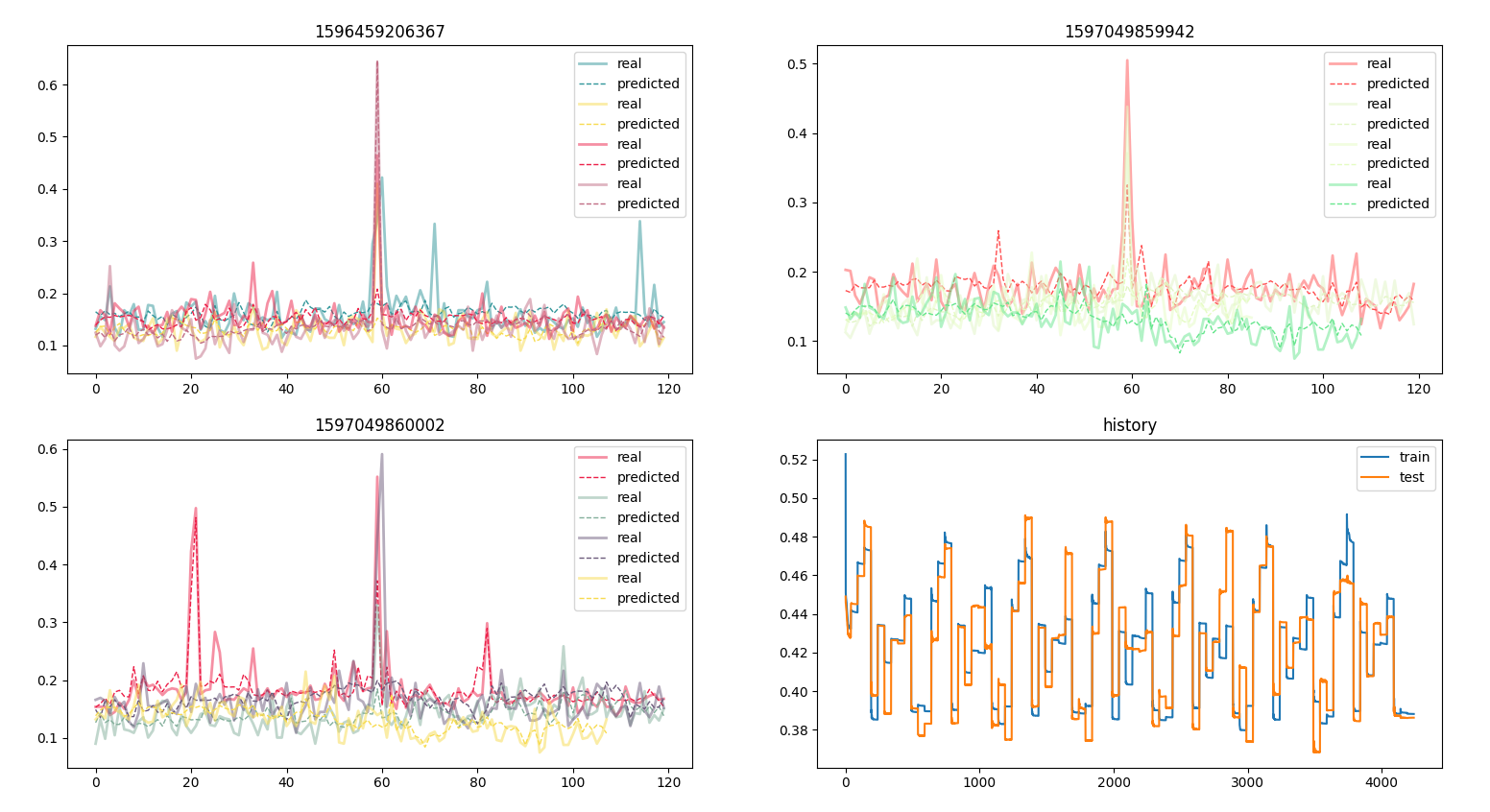
Performance of a three layers network on incident data
With a deeper network few peaks more are detected.
risk prediction
Code: feature_etl .
We want to calculate the spike risk predicting the
time_to_spike
from the other features and calculate the risk of an upcoming spike. We first train on the denoised average
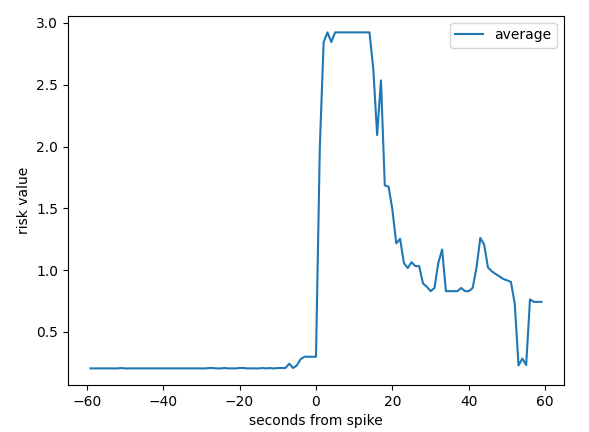
prediction deviation
We than apply a Cox-Breslow survival estimator to calculate the cumulative dynamic AUC
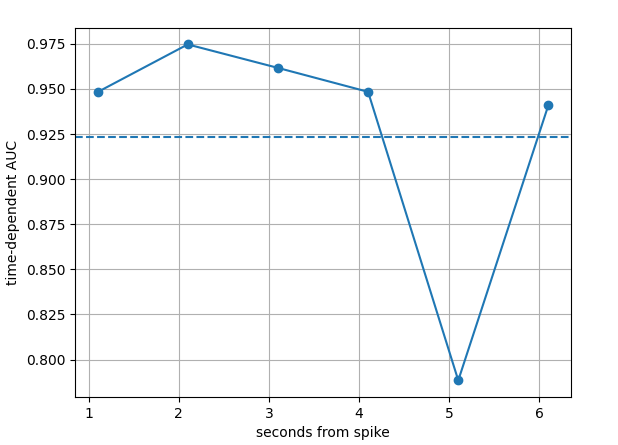
AUC on Cow Breslow
We perform than cross validation traning the model on a series and predicting on another one, we see that the cross validation tends towards the average prediction
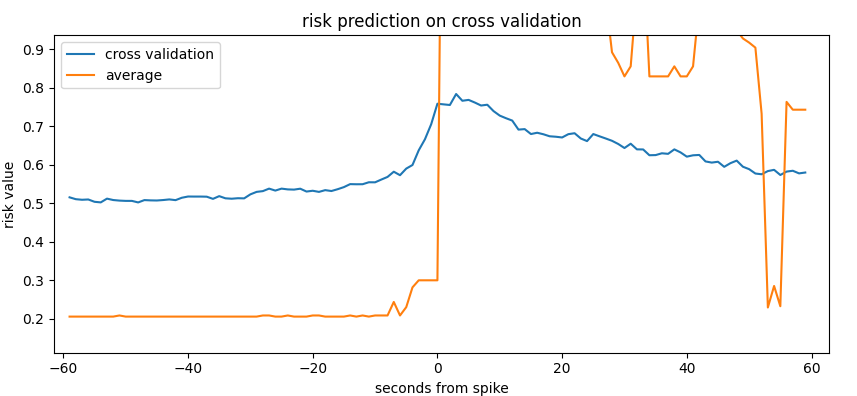
risk prediction on cross validation
spike prediction
We first perform a lmts on the
camera_latency
itself. We perform 20 epochs on the average and than 2 epochs on each single series
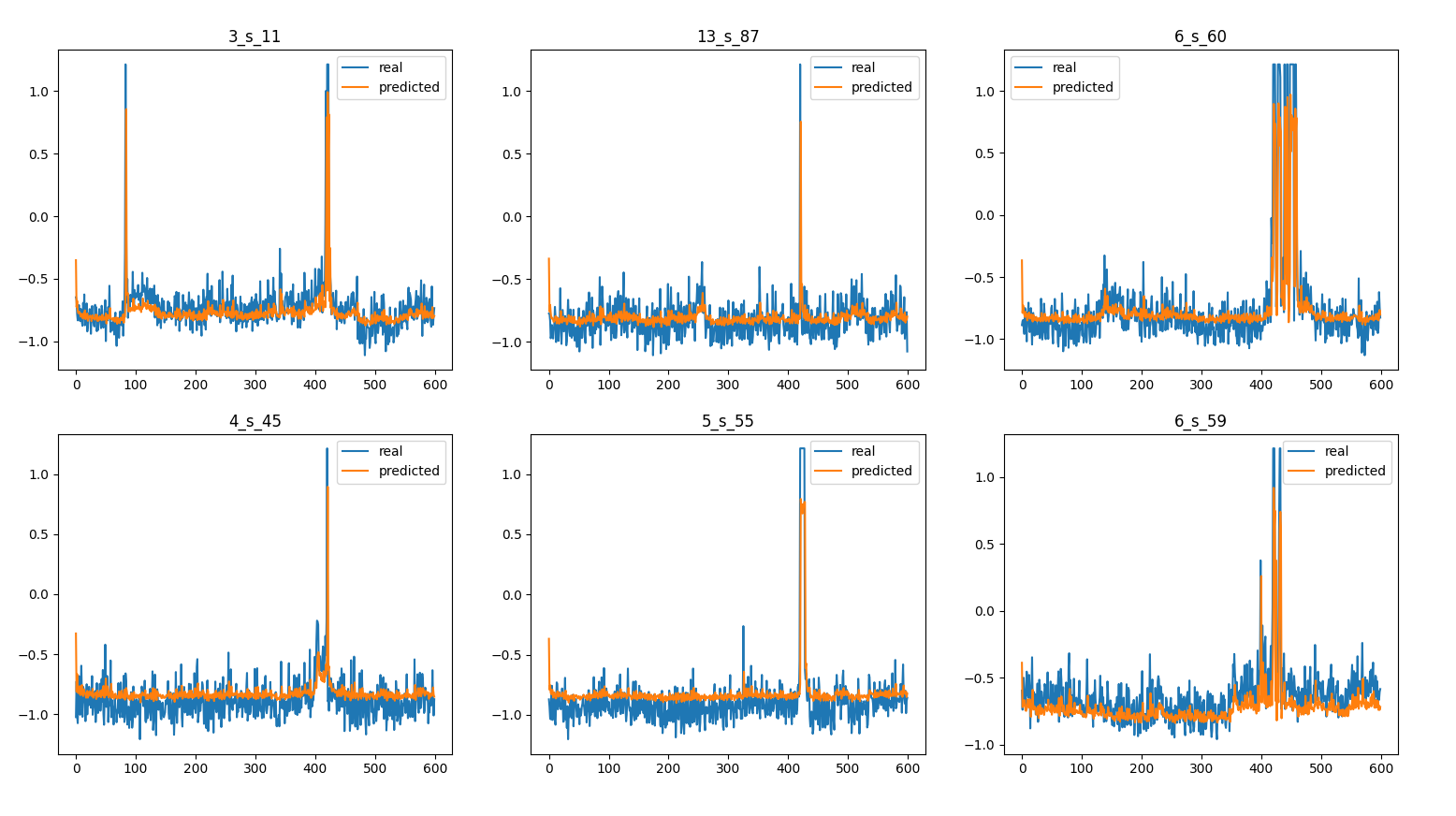
different example series on spike forecast
We see that the learning is pretty unregular
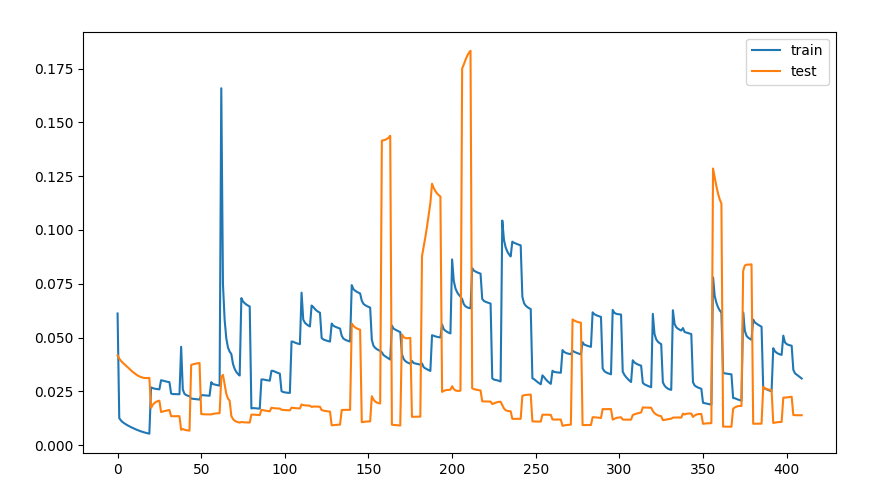
We than check how many spkies we can forecast
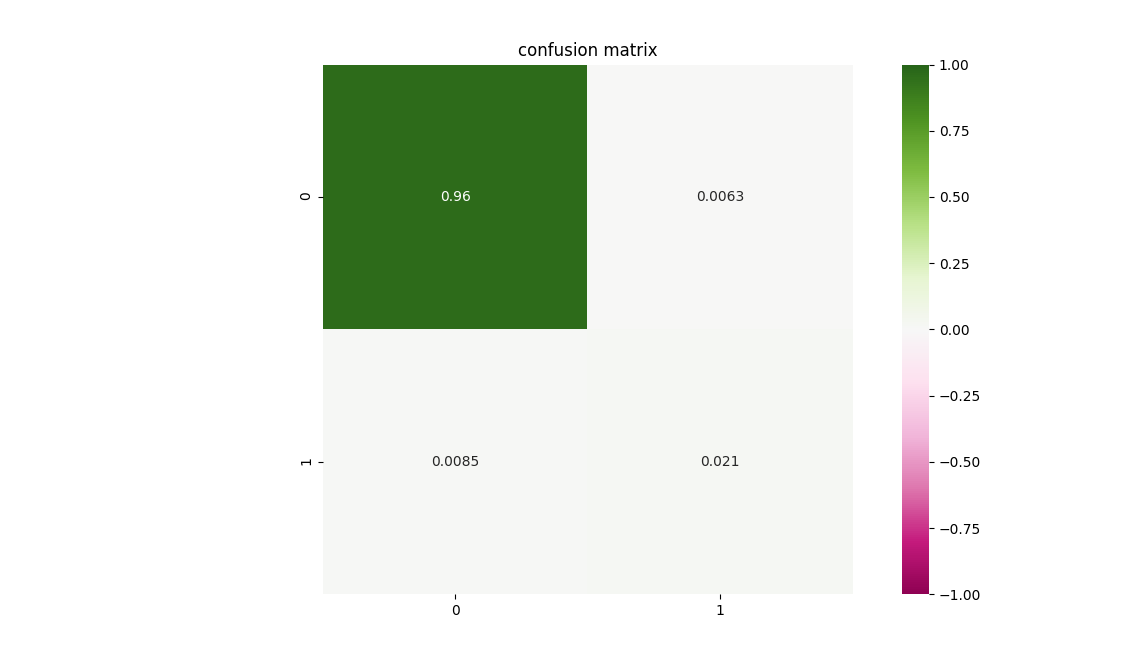
confusion matrix on forecasted spikes
We finally perform a forecast only with networking features
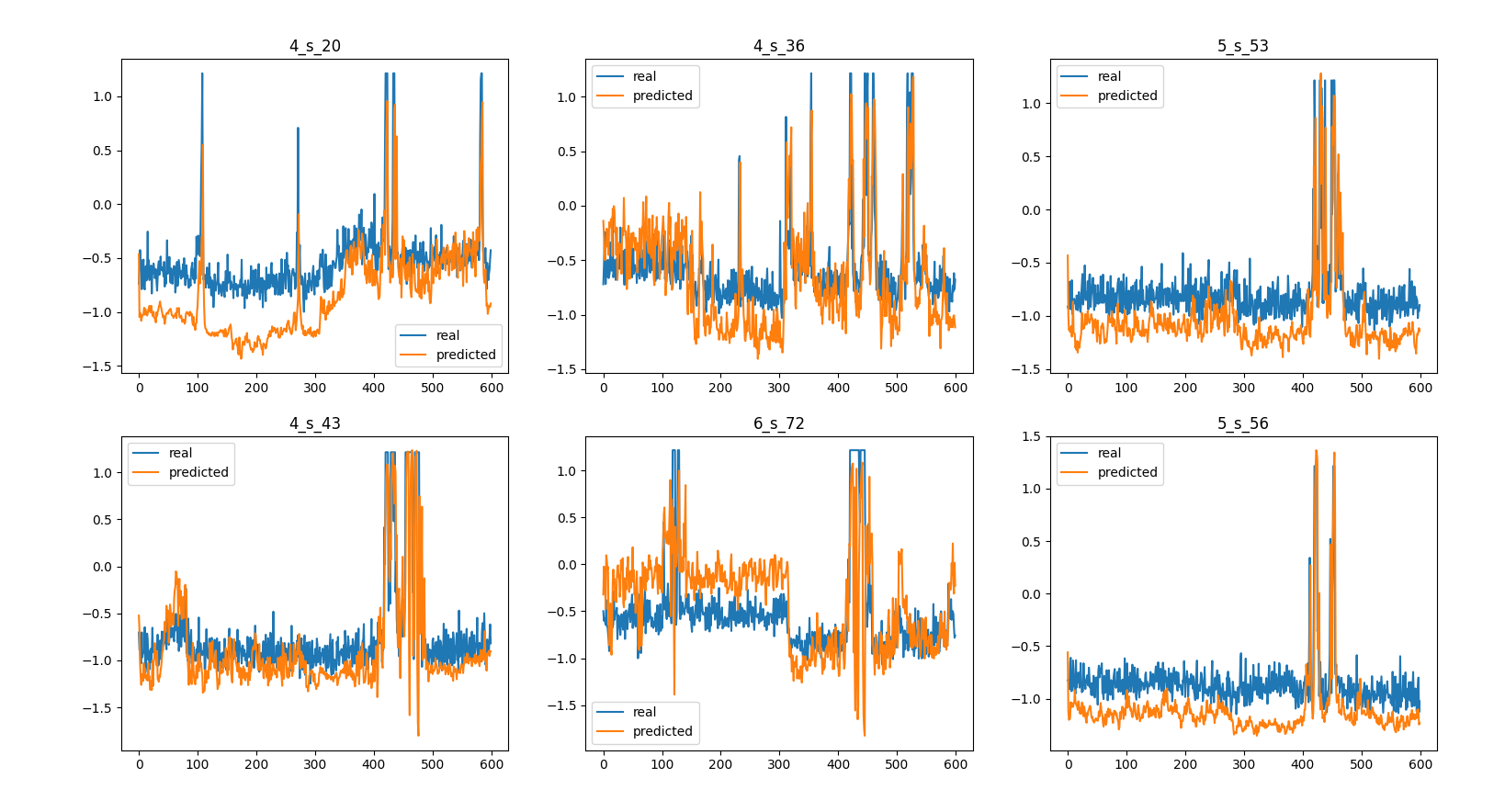
forecast with networking features
and calculate the final confusion matrix
confusion matrix on forecasted spikes with networking features