Spiega documentation
- Knowledge sharing
- Portfolio
lernia features
Feature building from the lernia library

lernia library
data sources
We collect weather data from darksky api
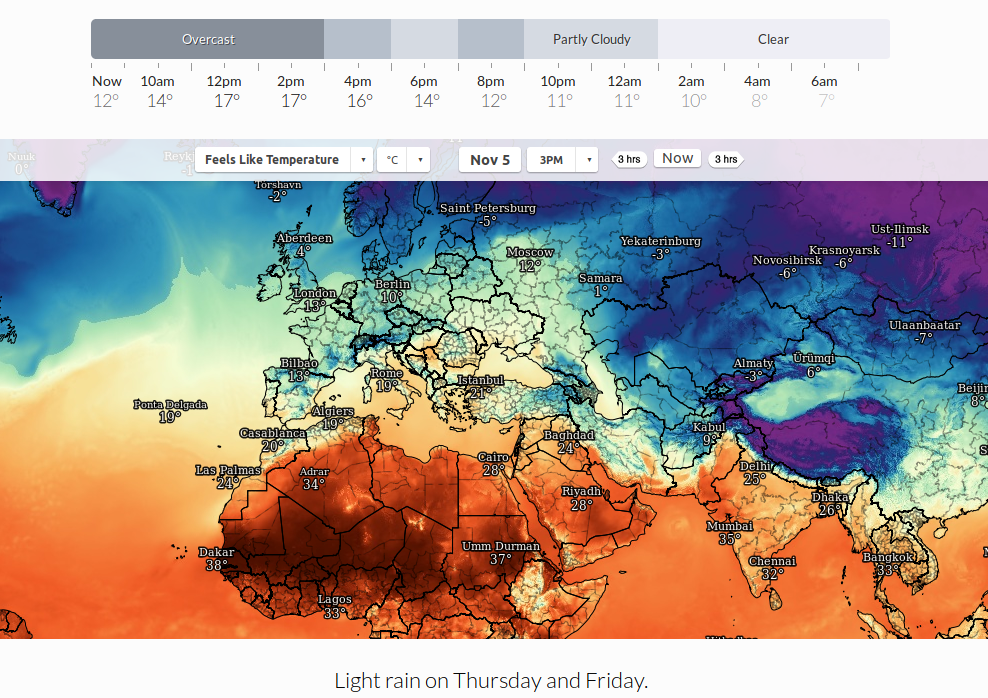
darksky weather api
And census data from eurostat
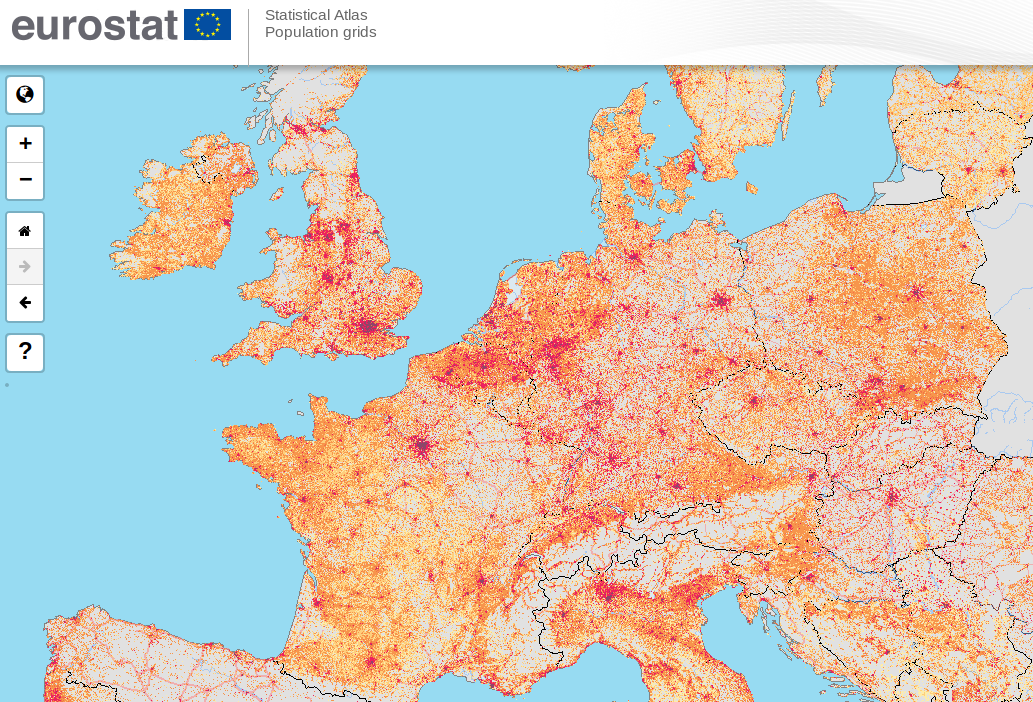
eurostat census data
distribution
For each feature is important to undestand statistical properties such as:
- distribution of variance (normal, Poisson, multimodal...)
- error/loss function
- periodicity
- transform function
- autocorrelation (entropy, information)
- noise kind
- decomposition (find relevant sub-components)
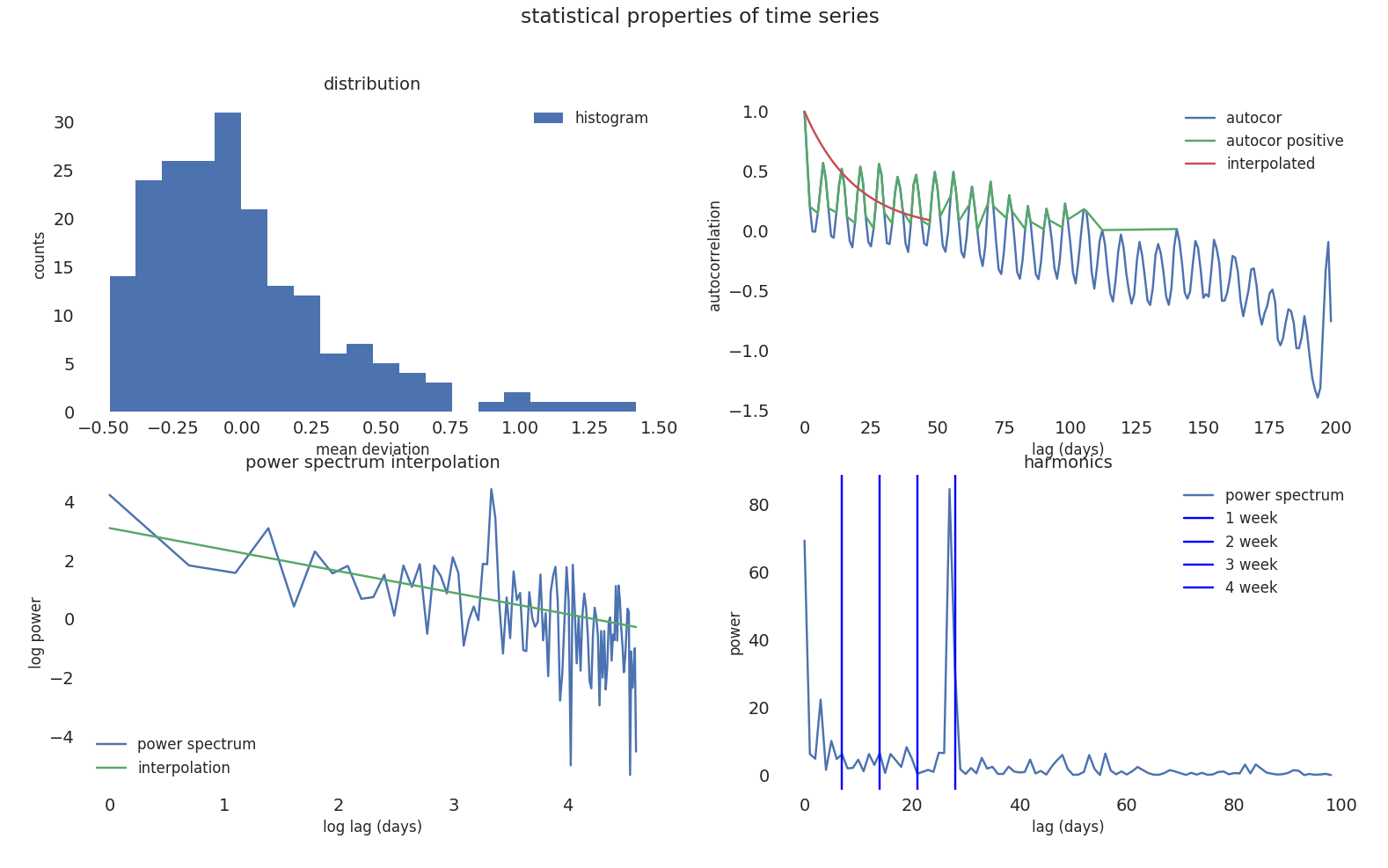
statistical properties of a time series
normalization
We should evaluate the distribution of each variable, this view is confusing
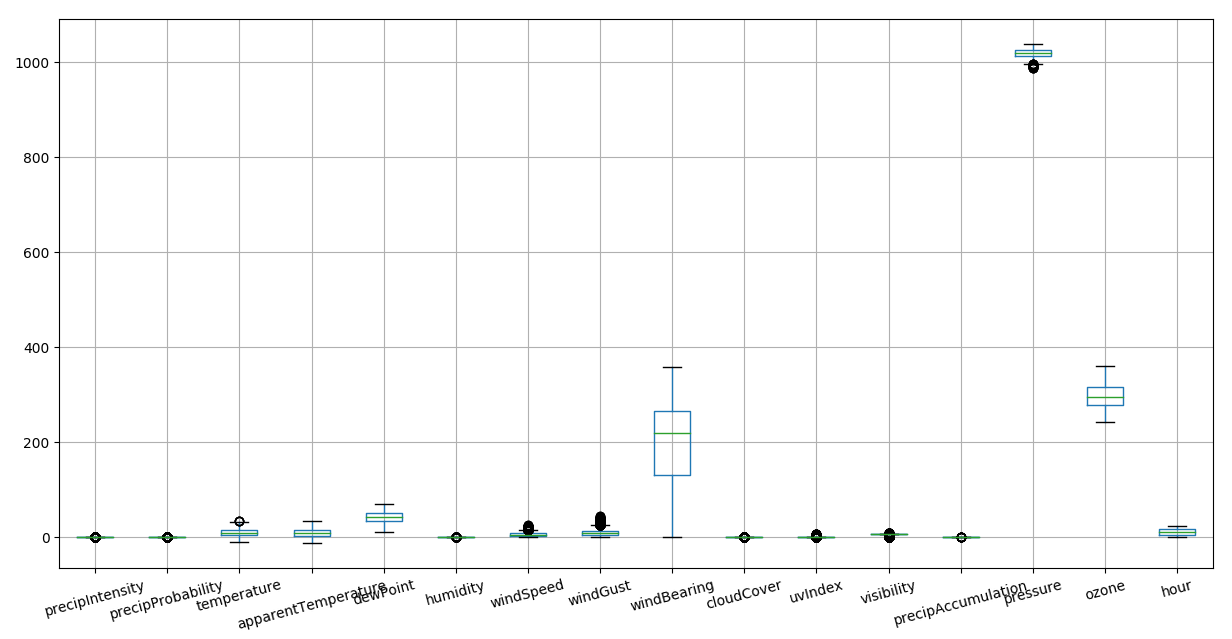
no norm
An important operation for model convergence and performances is to normalize data. We can than see in one view all variances and skweness
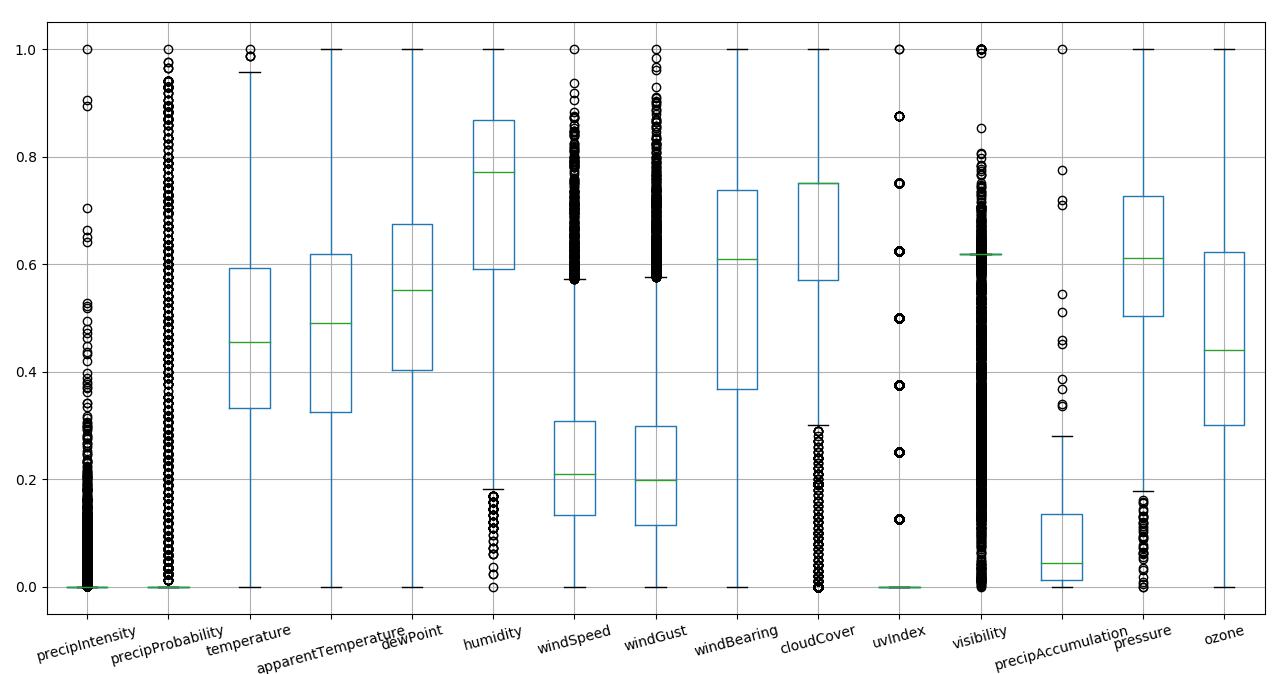
minmax norm
Outliers can completly skew the distribution of variables and make learning difficult, we therefore remove the extreme percentiles
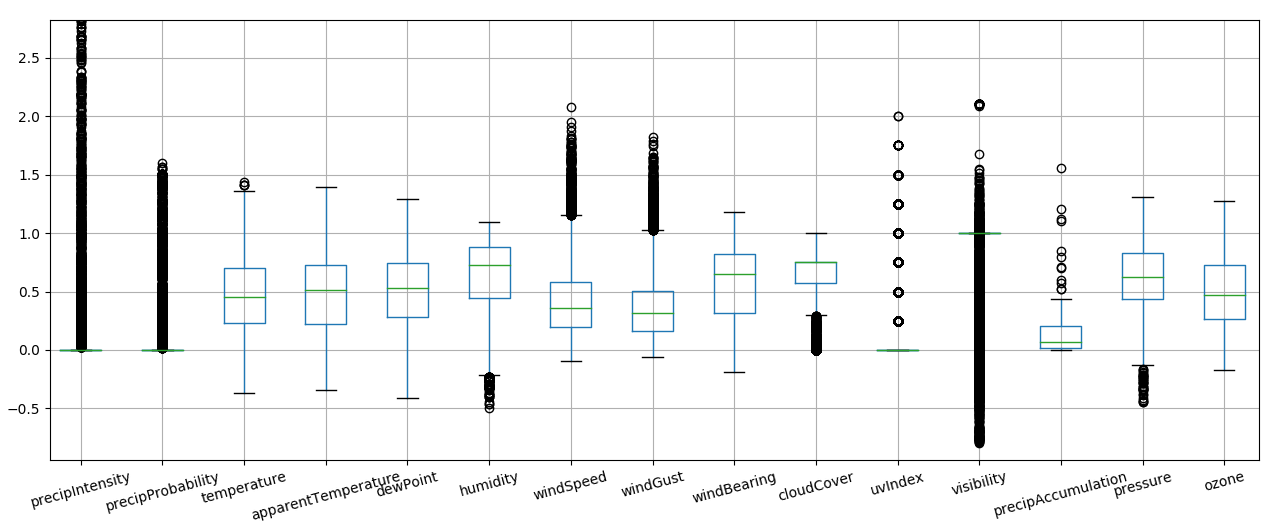
norm 5-95
We remove percentiles and normalize to one
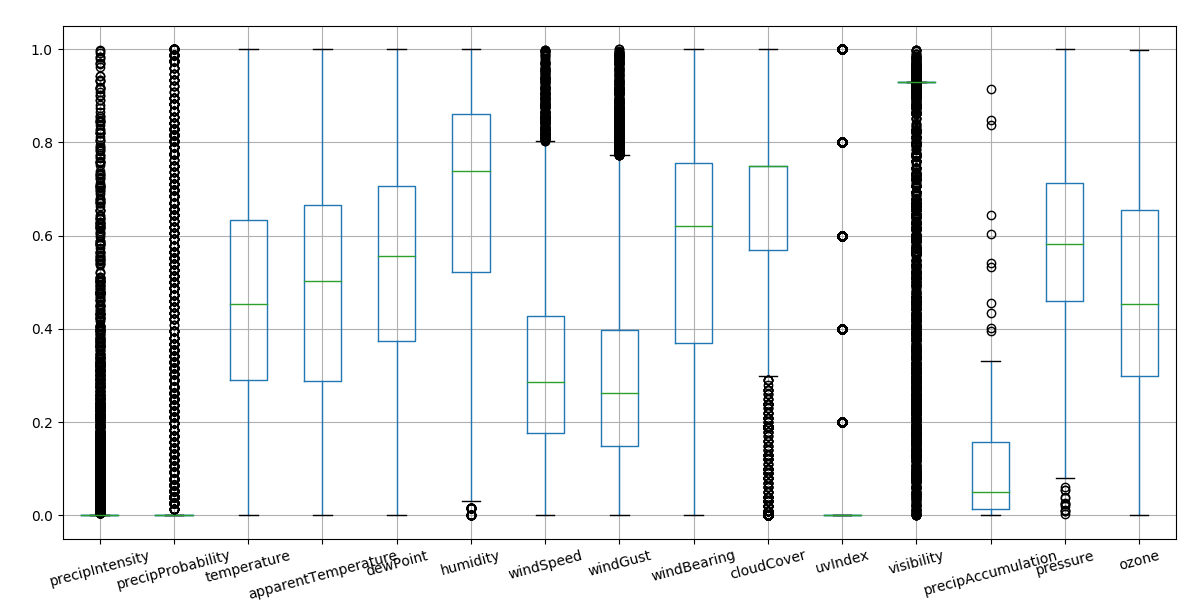
norm 1-99
Correlation between features is important to exclude features which are derivable
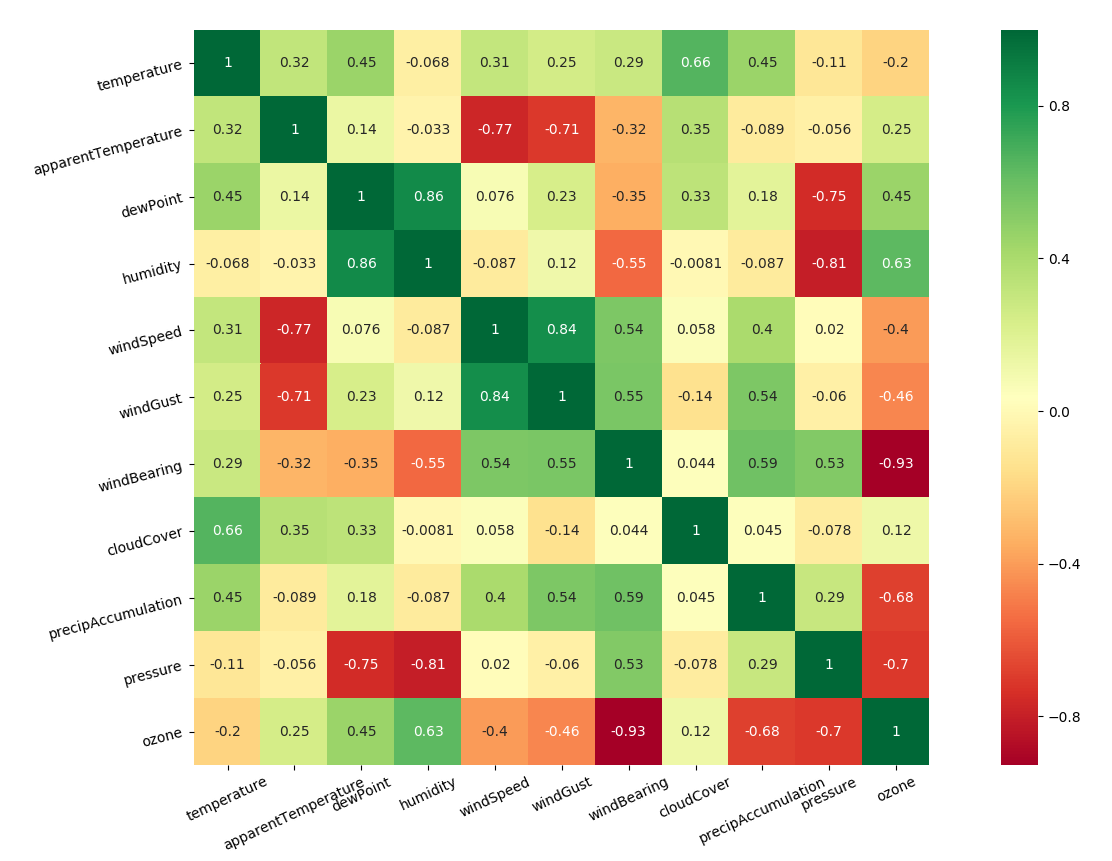
feature correlation
Outlier removal is not changing the correlation between features
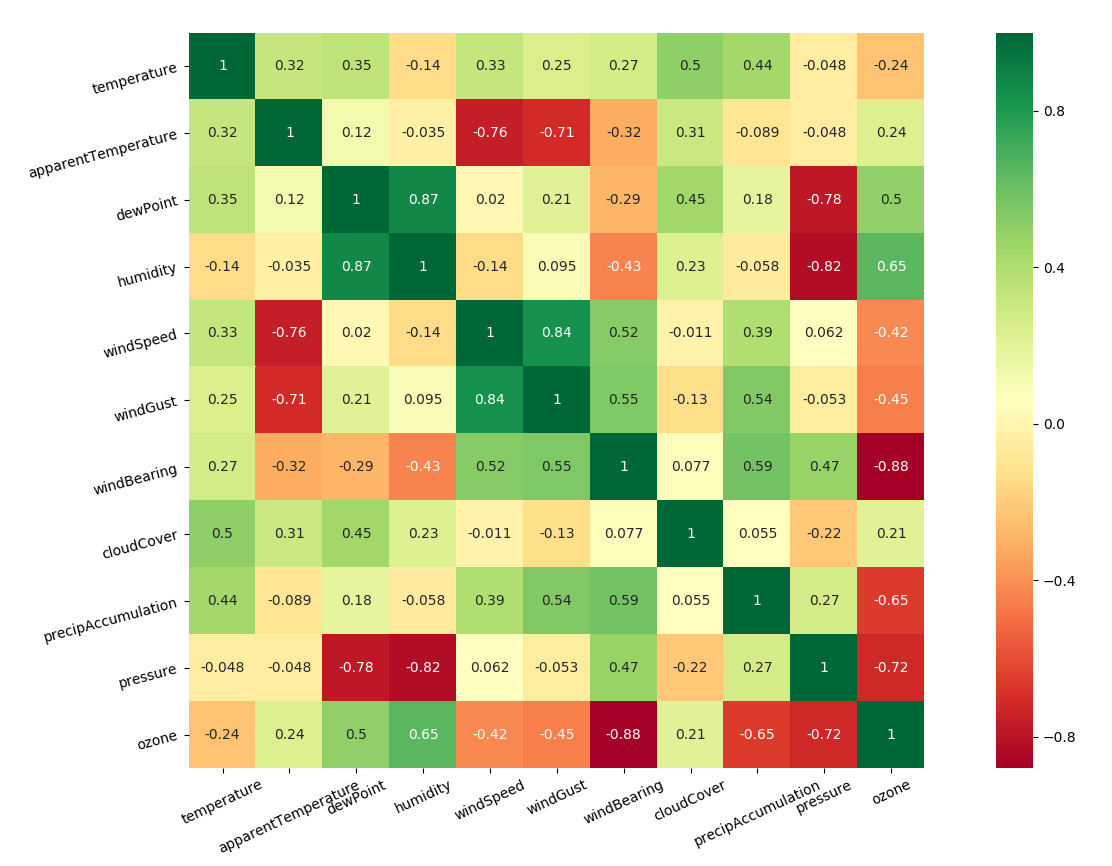
feature correlation
Some features have too many outliers, we decide to put a threshold and transform the feature into a logistic variable
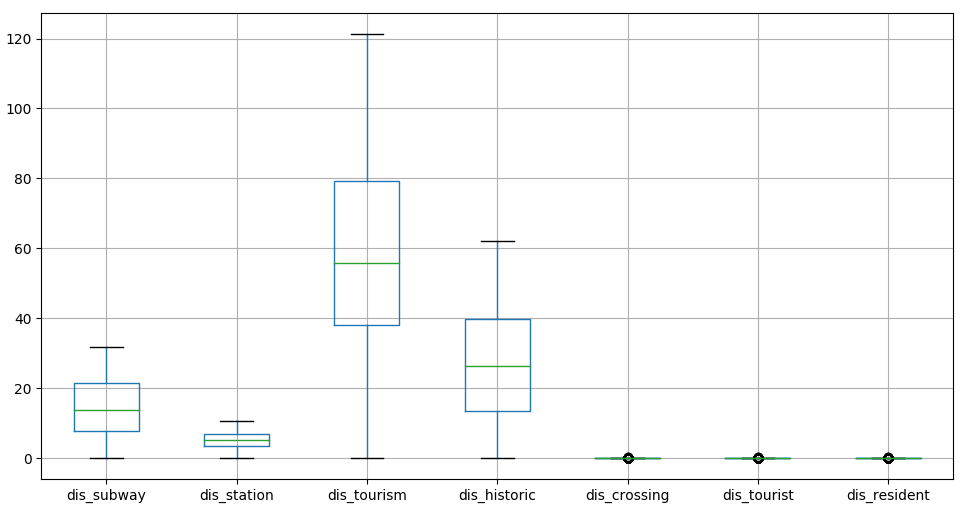
norm cat
Apart from boxplot is important to visualize data density and spot the multimodal distributions
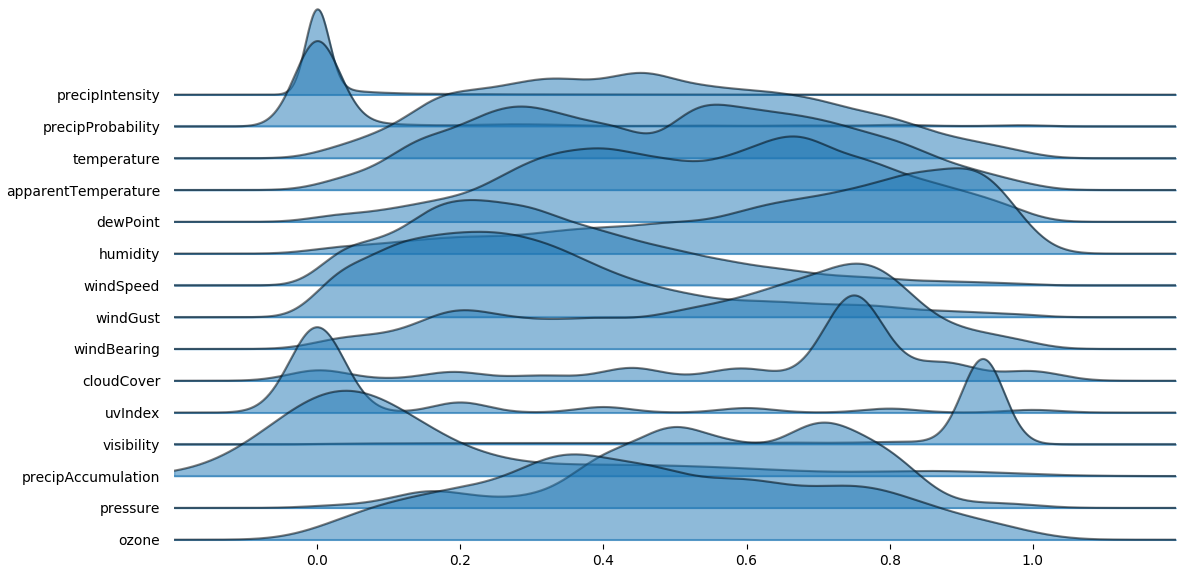
norm joyplot
We than sort the features and exclude highly skewed variables
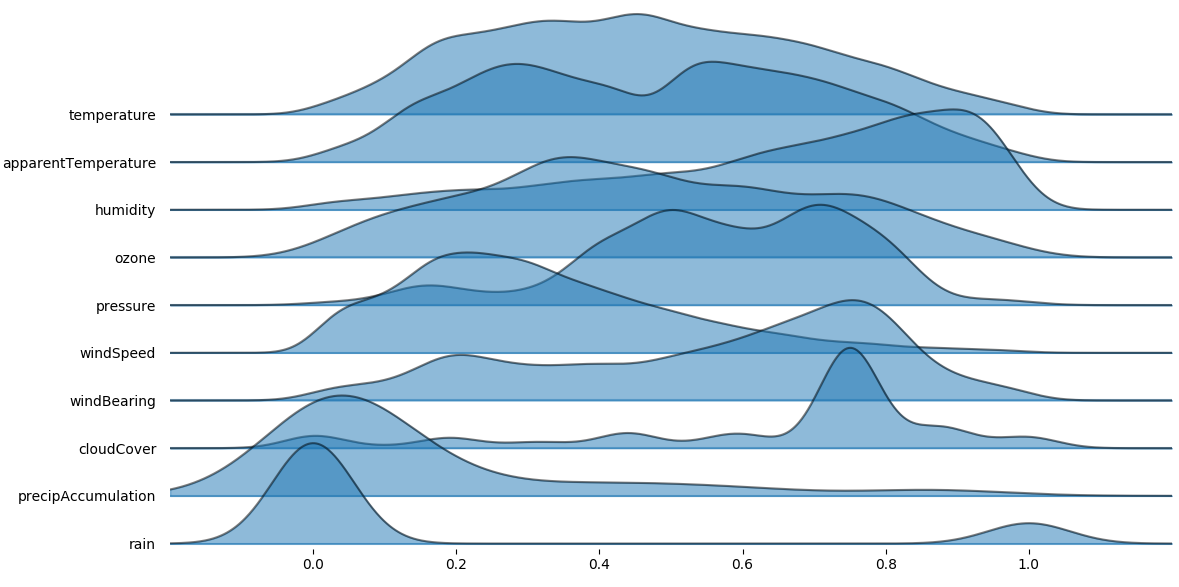
norm logistic features
feature reduction
Looking at the 2d cross correlation we understand a lot about interaction between features
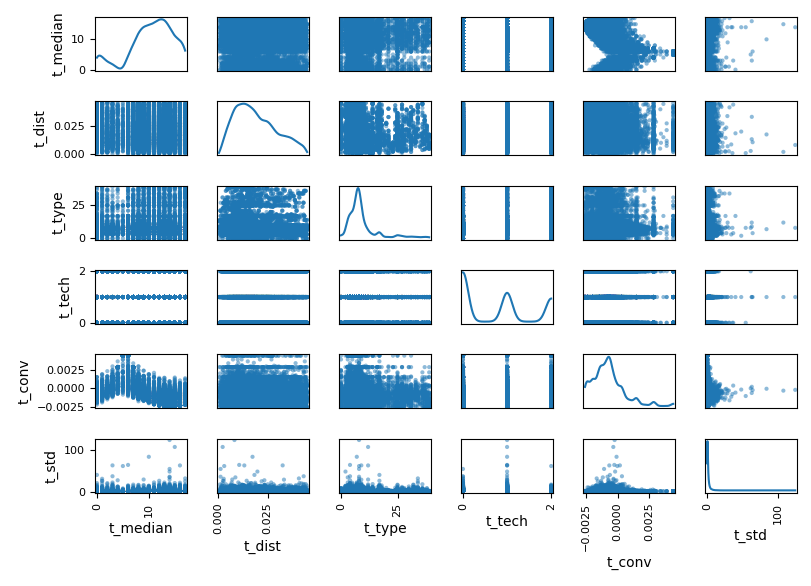
selected features
And we can have a preliminary understanding about how features interacts
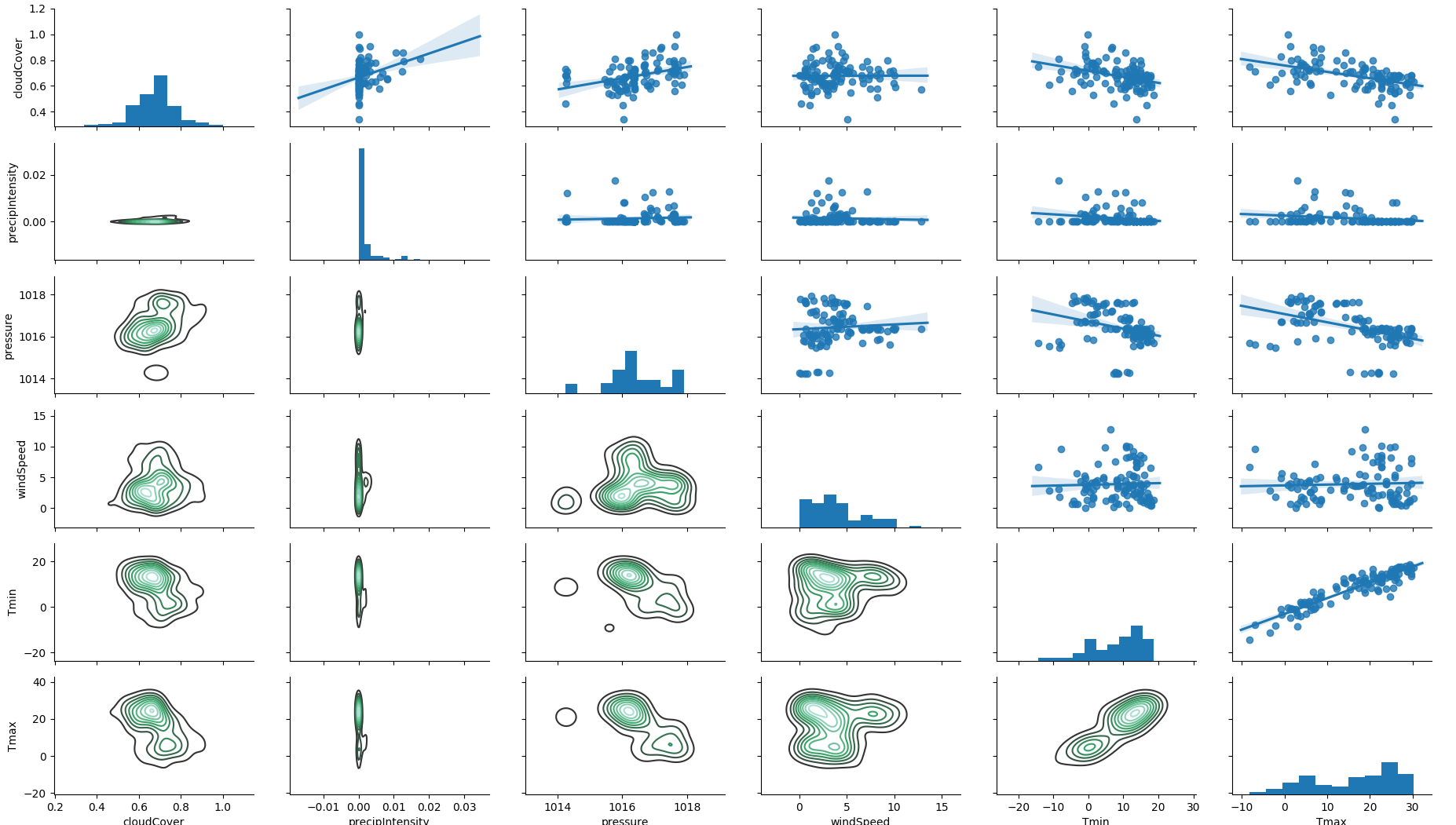
feature 2d correlation
We know that apparent temperature is dependent from temperature, humidity, windSpeed, windBearing, cloudCover but we might not know why. Apparent temperature can be an important predictor so basically we can reduce the other components with a PCA
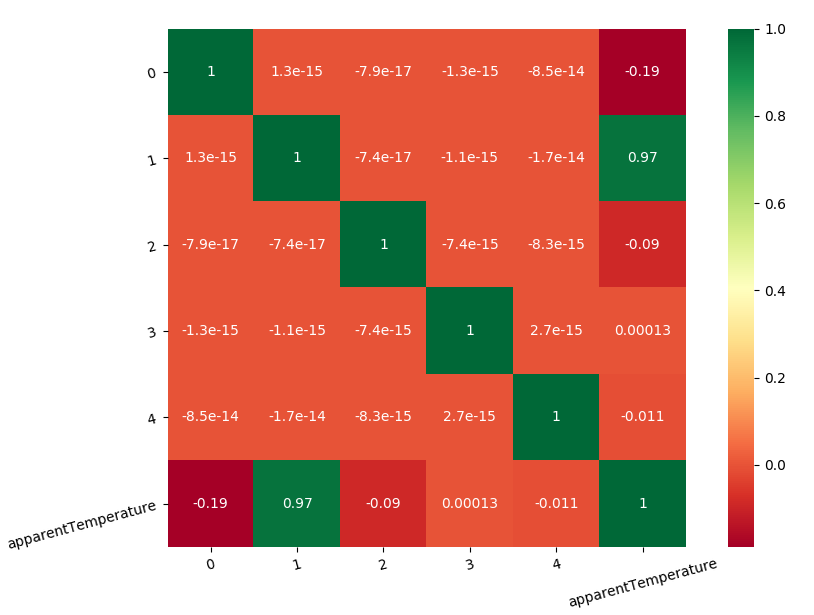
pca on derivate feature
Interestingly the first component explains most of the feature set but doesn't explain the apparent temperature which is describes in the second component
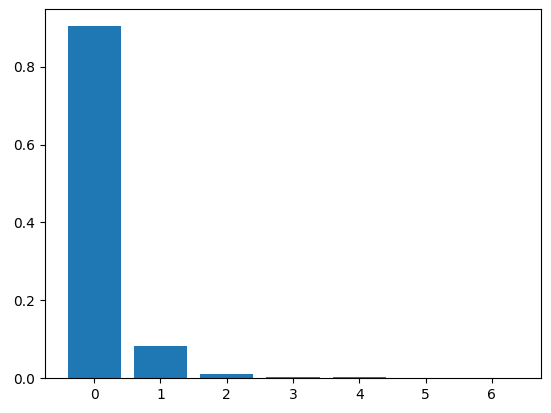
components importance
For the same components we can investigate other metrics
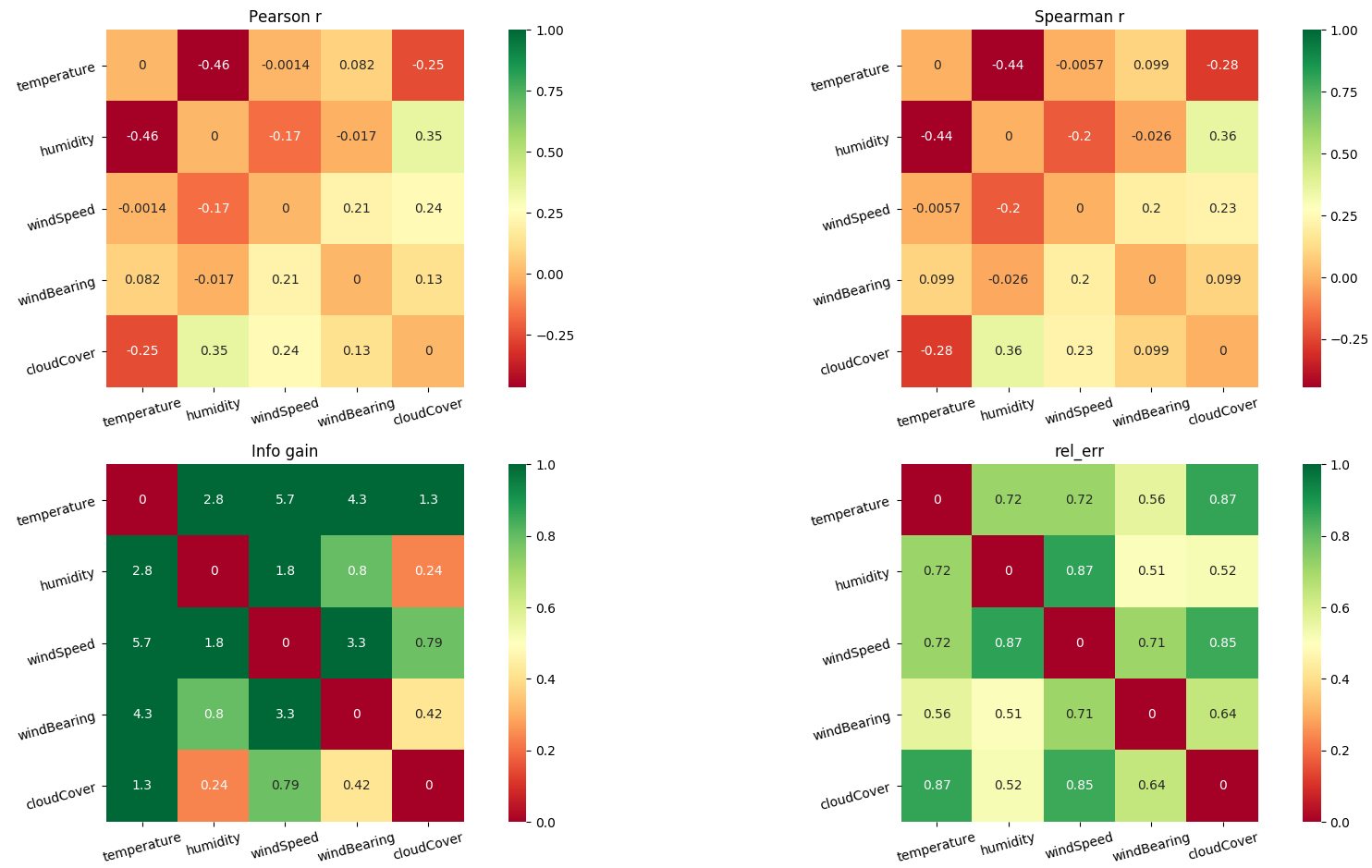
feature pair metrics
replace
replace NaNs
Working with python doesn't leave many options, contrary to R almost any library return errors. We therfore interpolate or drop lines.
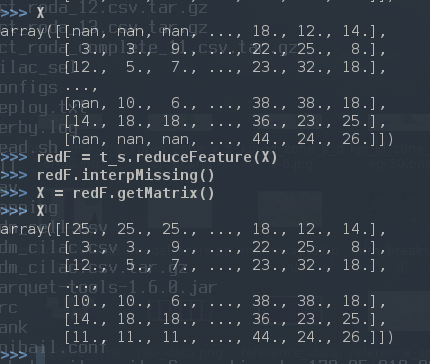
replacing nans with interpolation
The main issue with interpolation is at the boundary, special cases should be treated
data cubes
If we have a lot of time series per location, or multiple signal superimposing we look at the chi square distribution to understand where outlier sequence windows are off
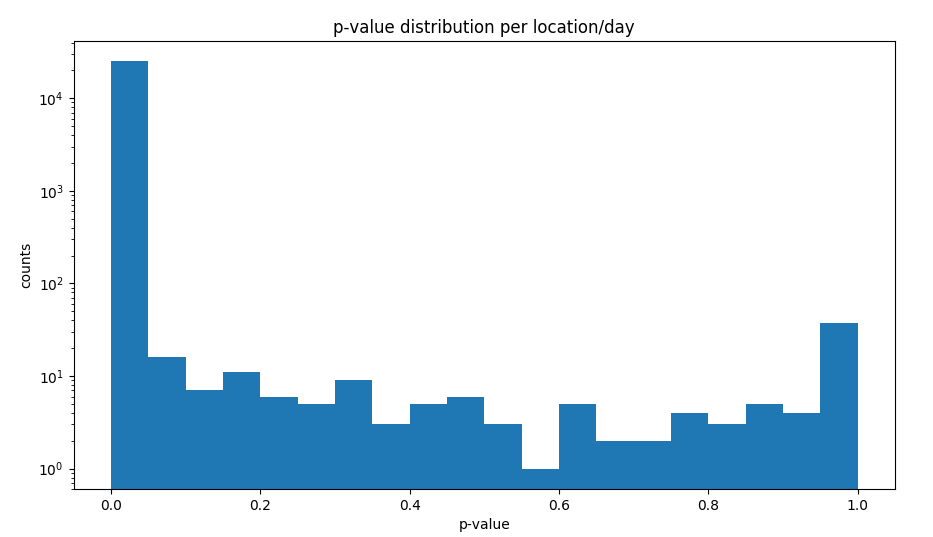
chi square distribution
We than replace the off windows with a neighboring cluster

replace volatile sequences
feature importance
Feature importance is a function that simple models return. Since models don't agree on the same feature importance and production model will even come to much different conclusions.
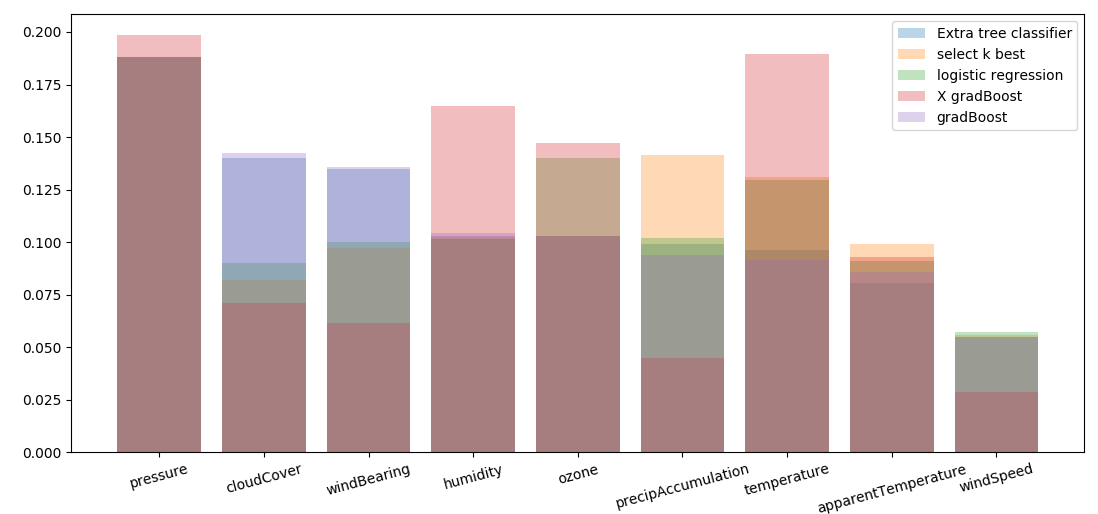
feature importance no norm
Normalization stabilize agreement between models
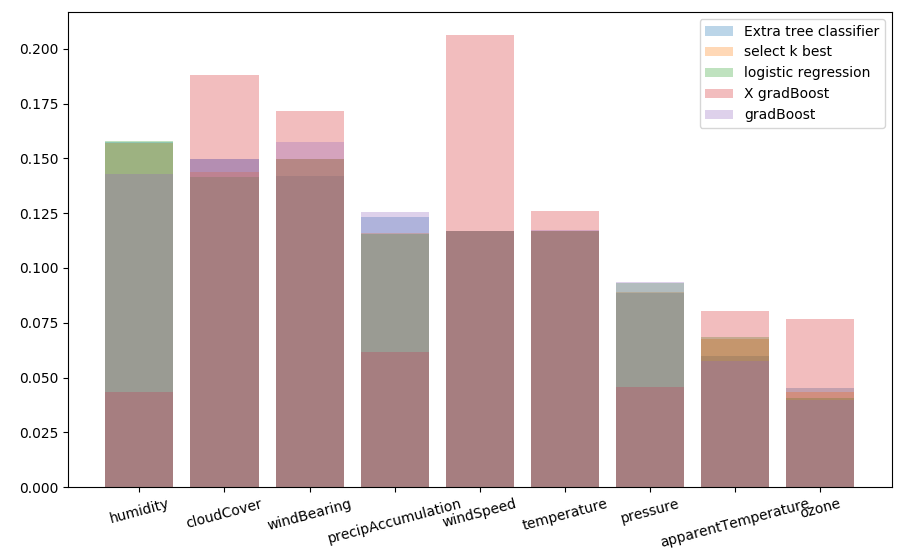
feature importance norm
We can apply as well a feature regularisation checking against a Lasso or a Ridge regression which features are relevant for the predicting variable
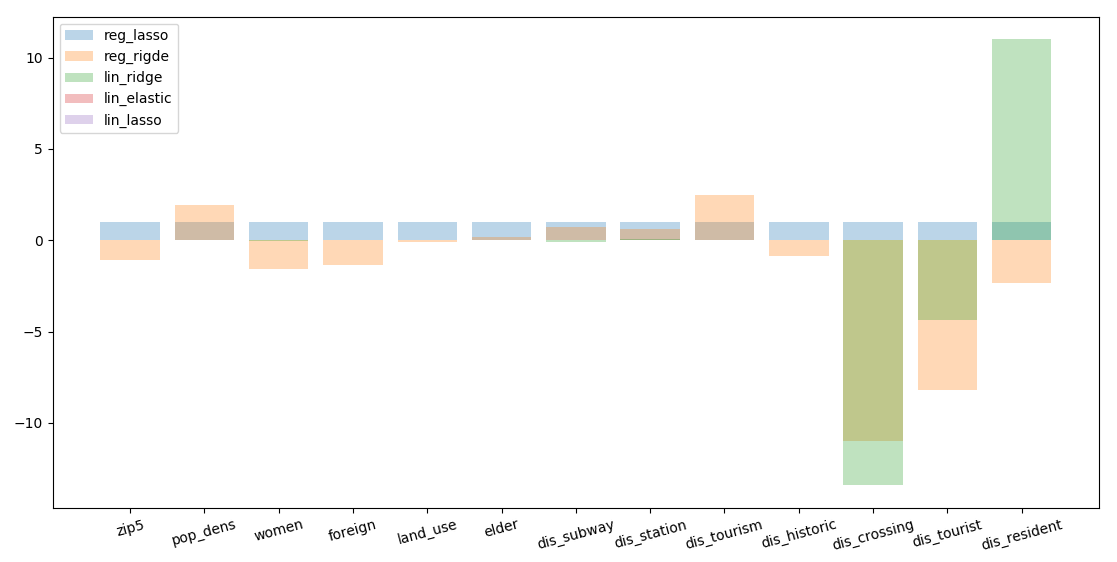
regularisation of features, mismatch in results depending on the regressor
We than iterate model trainings removing one feature per time and calculate performaces. We can than understand how much is every feature important for the training
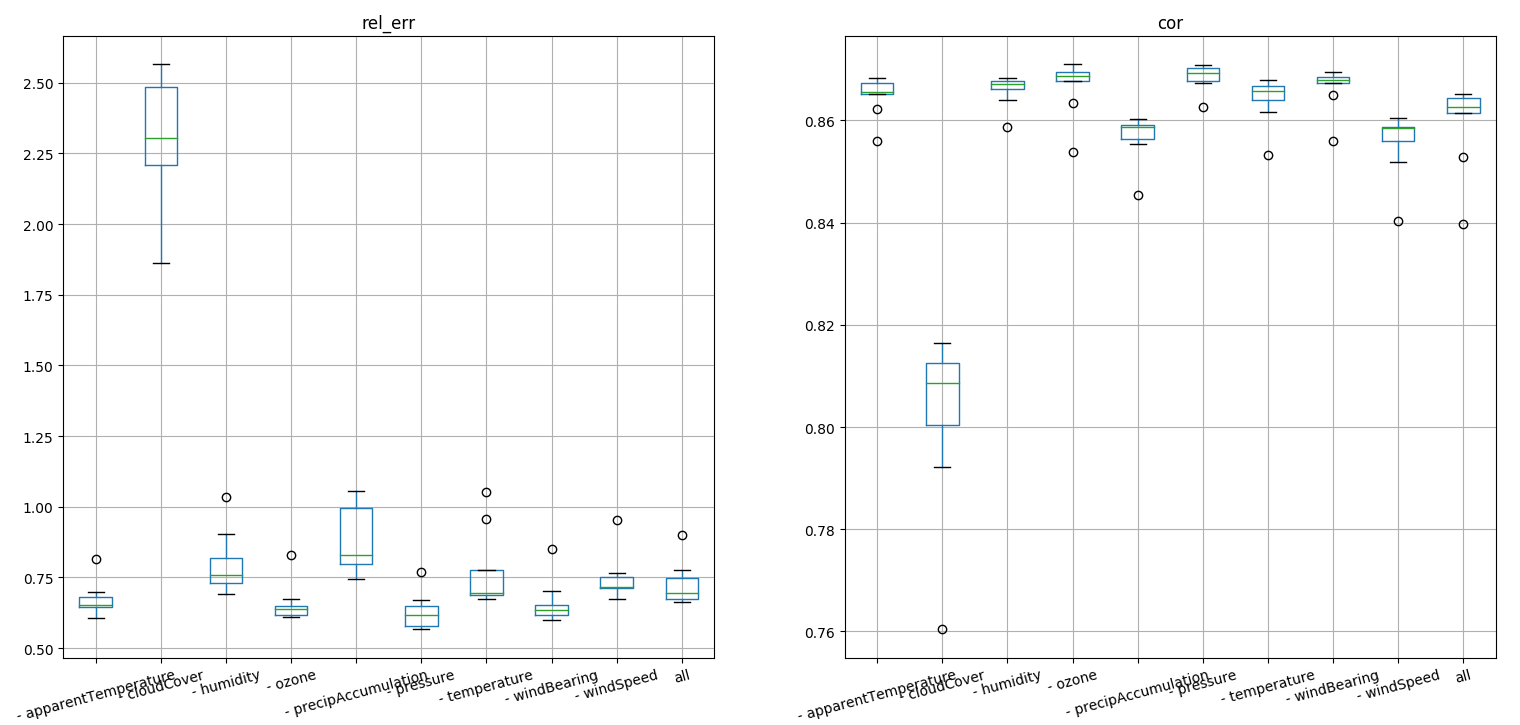
feature knock out
Strangely removing ozone and pressure the rain prediction suffers. We than analyze time series a realize a big gap in historical data and realize the few data where misleading for the model
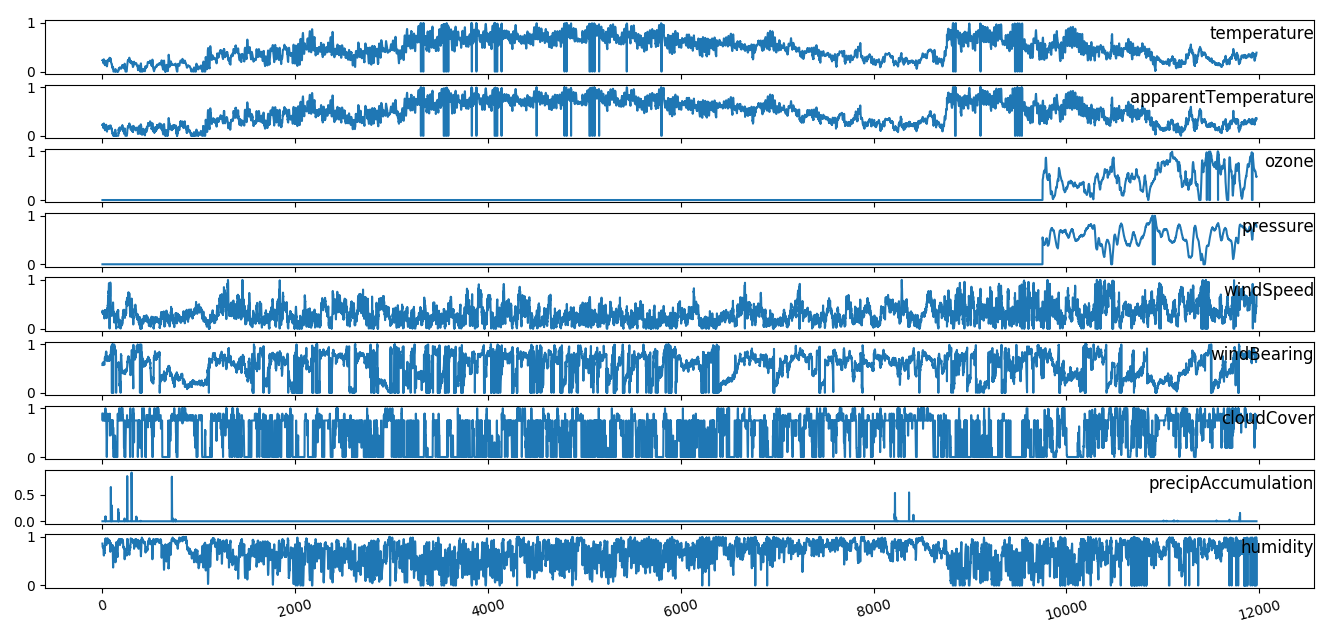
feature time series
predictability
The meaning of building features is to achieve good predictability, if we want to predict rain we have differences in performace between models
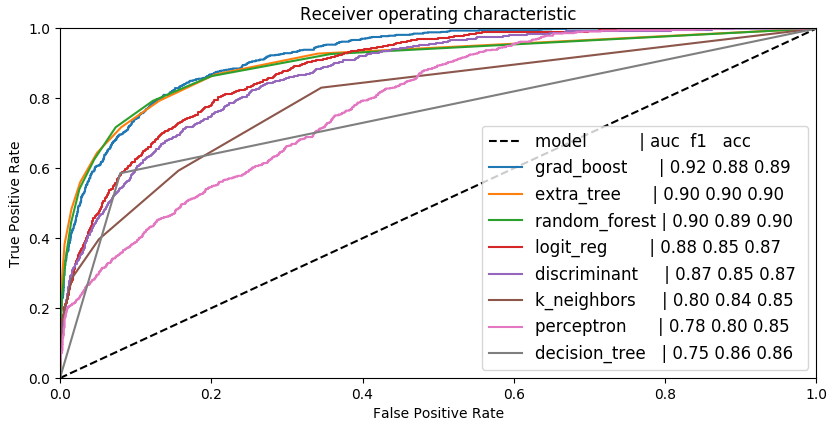
predictability, no norm
Cleaning features all the models perform basically the same
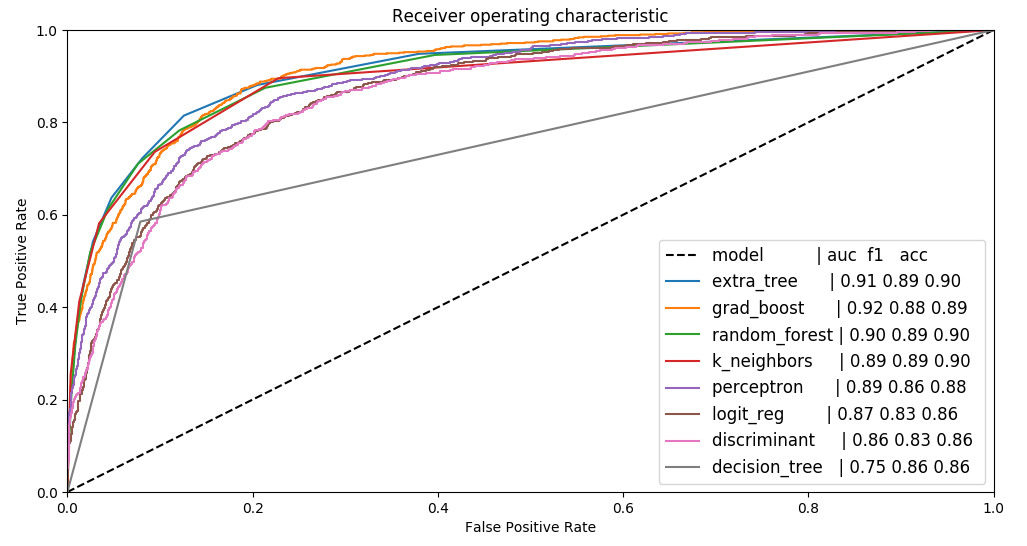
predictability, normed
Same if we train on spatial feature on a binned prediction variable
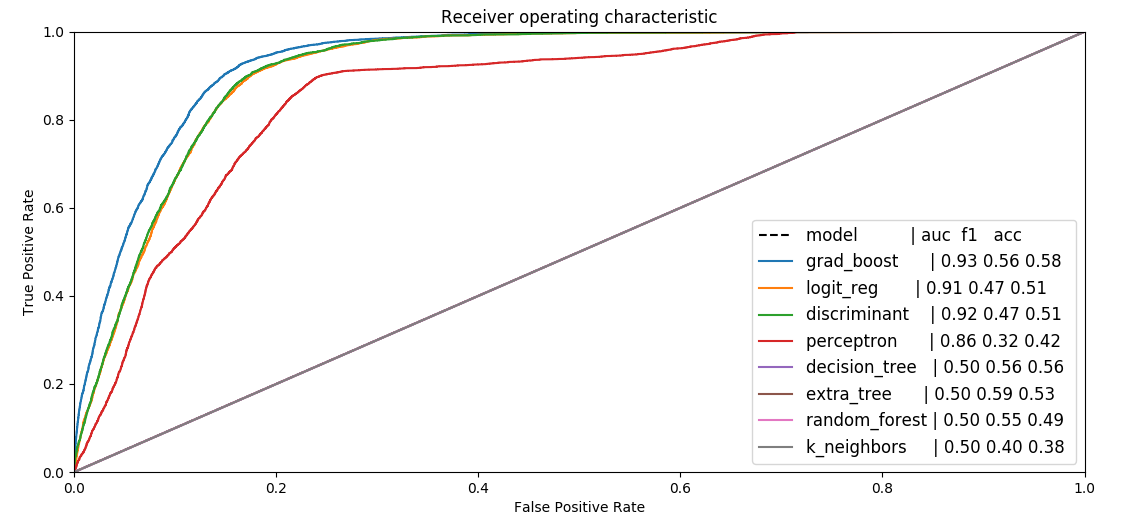
predictability, no norm
After feature cleaning we have better agreement between models
predictability, normed
transformation
transform lines
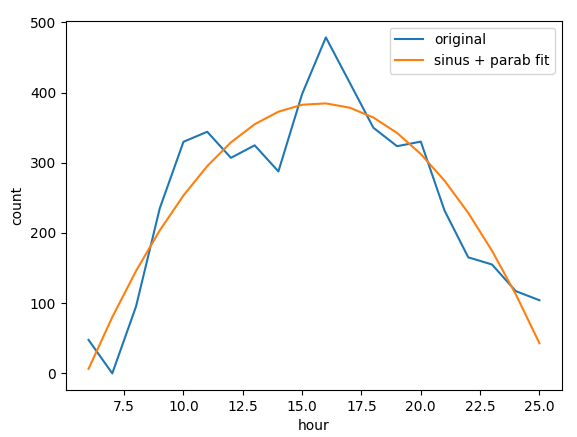
Detailed information can be compressed fitting curves
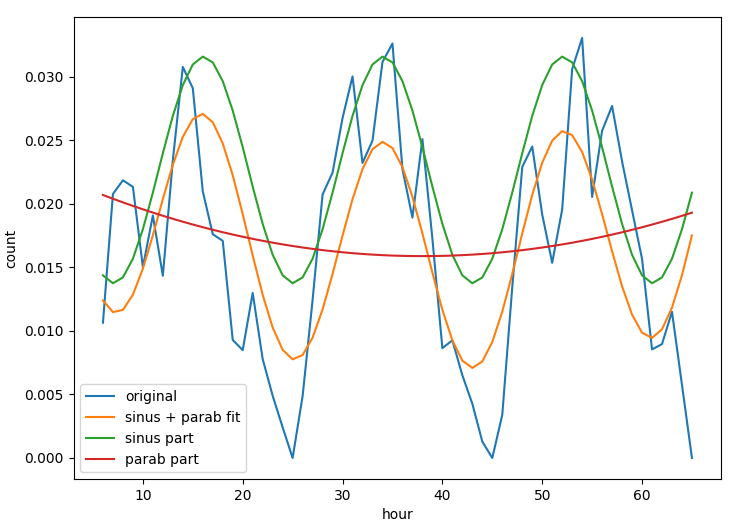
simplify complexity
For a many day time series we can distinguish periods from trends
simplify complexity
transform dimesionality
Time series can be transformed in pictures
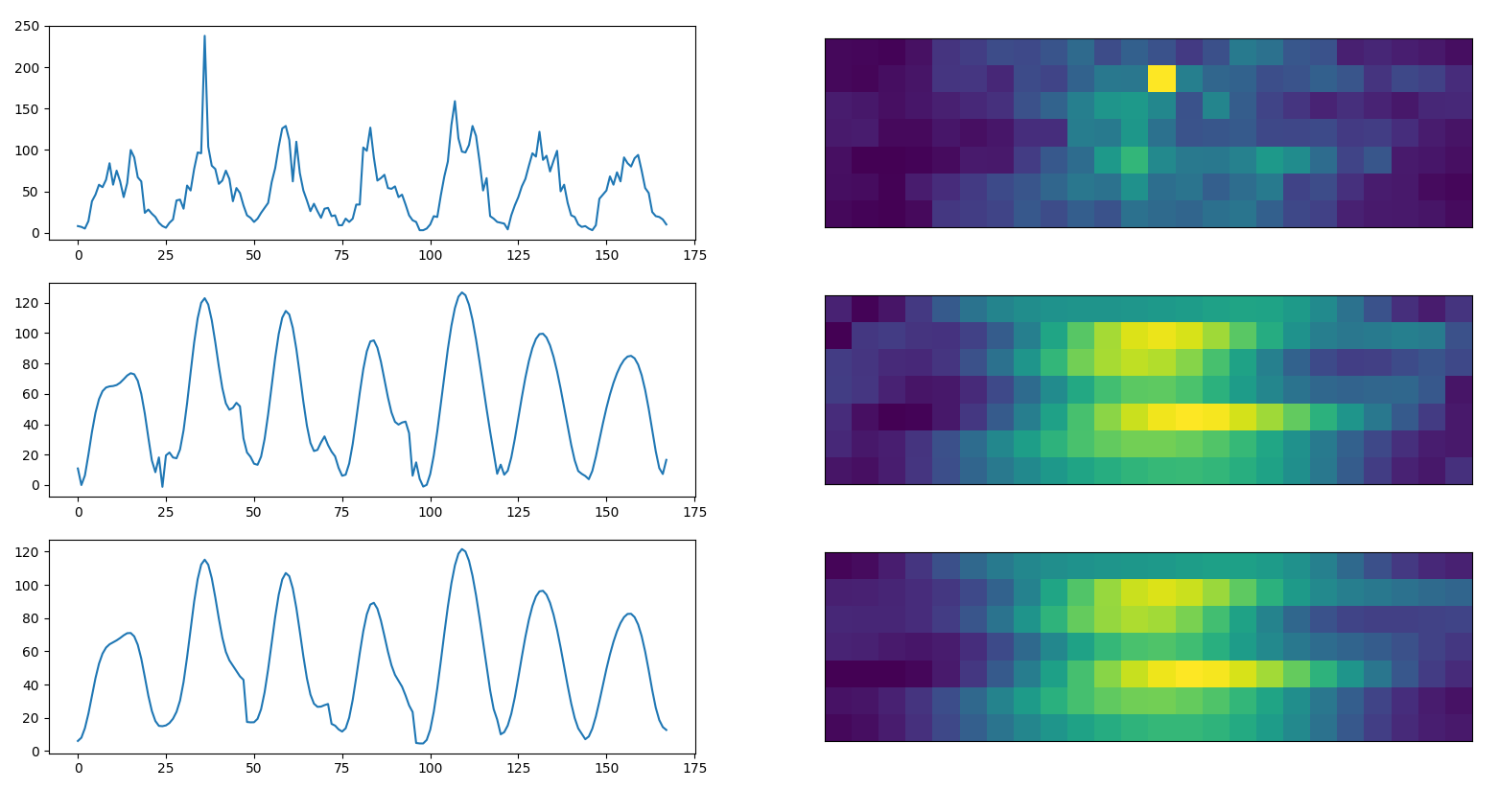
time series in pictures
Which is important to induce correlation between days and use more sofisticated methods

reference prediction
transform interpolate
We can interpolate data to have more precise information and induce correlation between neighbors
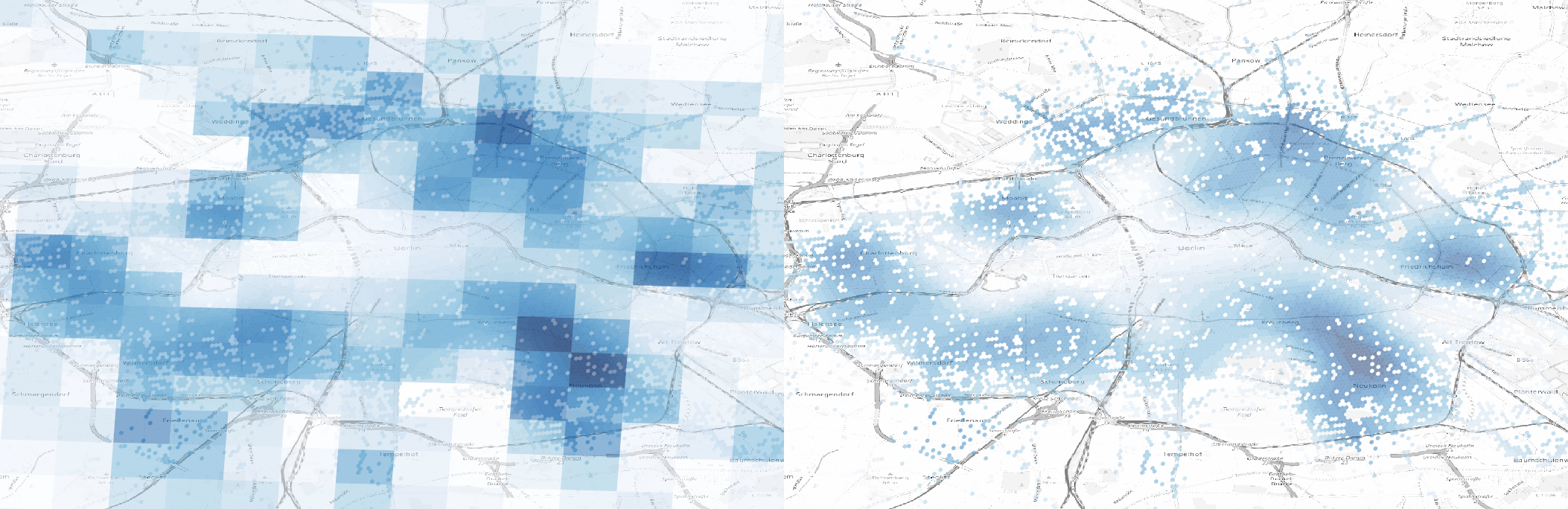
interpolate population density
transform distribution
If we want to know how dense is an area with a particular geo feature

spot building distance
We can reduce the density of feature fitting the radial histogram and returning the convexity of the parabola
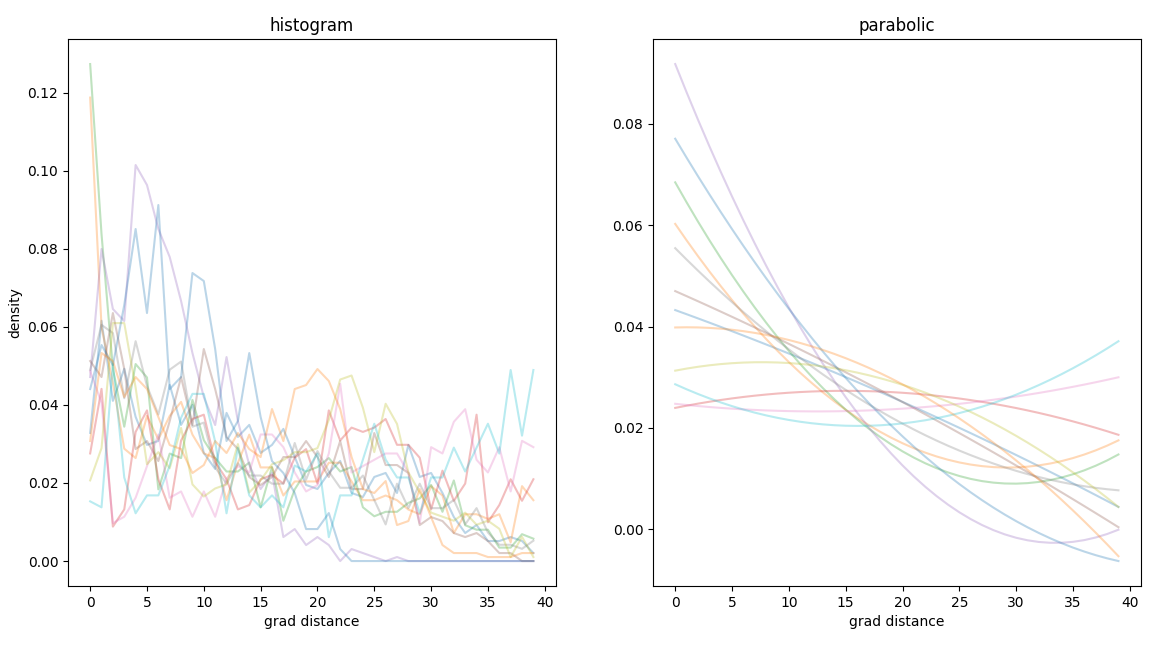
spatial degeneracy, parabola convexity
boosting
If we apply boosting the distribution will change and therefore we can train another model to predict the residuals
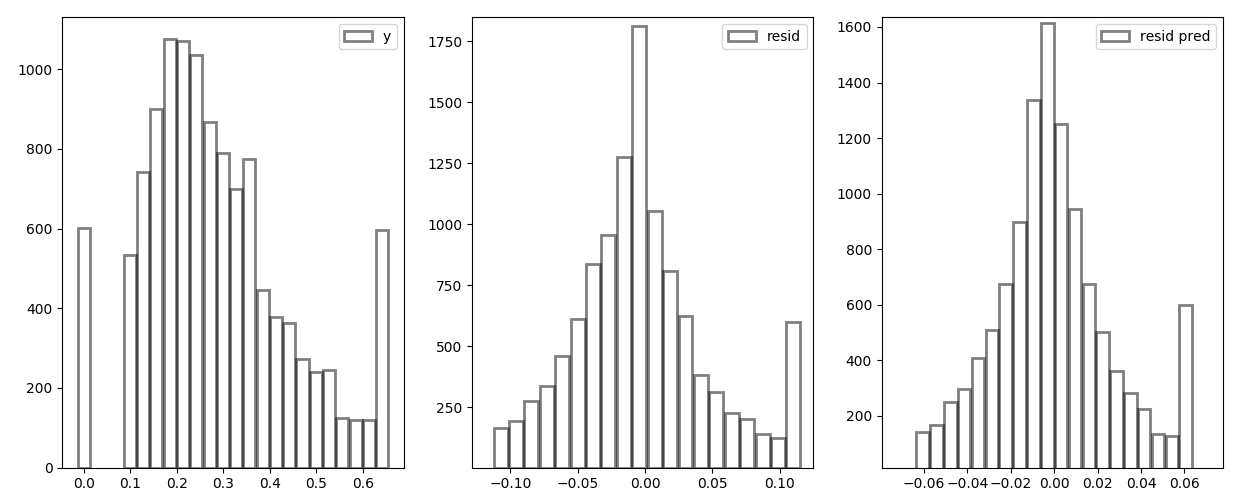
residual distribution
categorical variables
Encoder options
- One hot encoder: each element is represented buy it's matrix position - few elements
- nominal: groups
- cluster: clusterize the data and compute cluster distance
- hashing: one hot minus collisions
- binary: 1-0
- ordinal: group with oder
- interval
- constrast encoder: difference from stems
- Bayesian encoder: information from dependent variable
time
Weekdays are categorical but they are intercorrelated, it is convinient to group workdays and weekend and stretch the time: {weekday:1,weekend:2} -> {weekday:1,weekend:0.5}