What spiega is about
- Knowledge sharing
- Portfolio
data quality
Report on the data quality of the features
feature extraction
Code: etl_feature .
Data are stored in Athena.
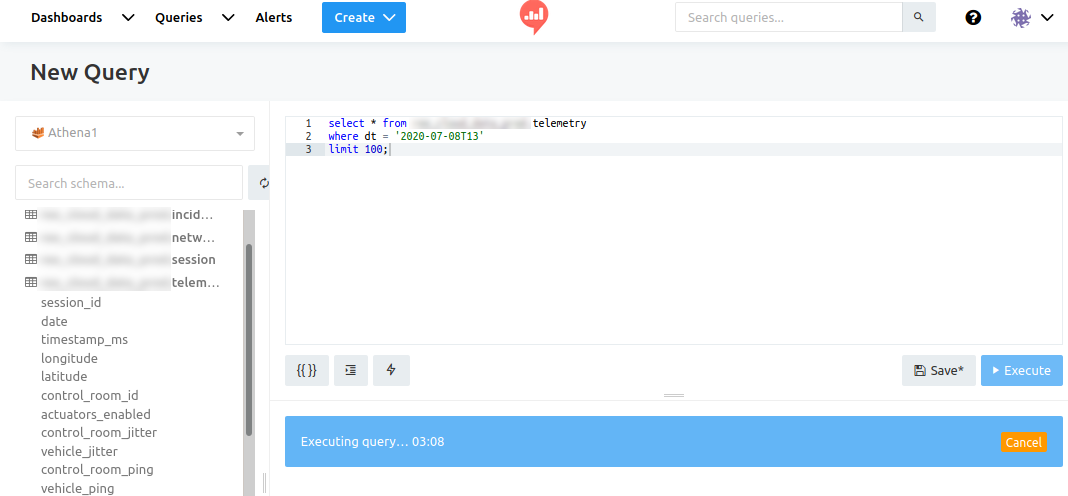
redash query on telemetry table
We have 4 relevant tables
['telemetry','network_log','session','incident']
which log all relevant events connected to the drive. Tables are partioned down to the single hour and vehicle.
We have 3 environments
['prod','stg','dev']
where only in
prod
data are complete.
telemetry
Telemetry contains the most useful information, most of the sensor data concerning vehicle dynamics and board usage. Data are ingested in an unregular way, every sensor calls the backend with different timing. Each 200ms we see a main ingestion of 2 to 5 sensors around 30ms. Information is scattered and uncomplete.

telemetry table, on record per topic
We call the
['mean_km_per_hour', 'lateral_force_m_per_sec_squared','longitudinal_force_m_per_sec_squared']
the
sensor_features
and the
['v_cpu_usage_percent', 'v_ram_usage_percent'
the
board features
and the
['e2e_latency', 'camera_latency', 'joystick_latency']
the
predictions
.
data ingestion
We have different sources populating the
telemetry
table, some coming from the
vehicle
, others from the
control_room
. Data are collected and ingested with a different pace and sent to the backend and follow this a protobuffer schema.

telemetry meta information
Each ROS topic collects the data at a different publishing rate, data are punctual and not averaged on the device. Some data don't get sent or they don't get collected, additional logs are stored on the vehicle but not sent to the backend.
Each topic has a publisher and a subscriber, the publisher set the timestamp and sends data over the network.
At first we see that data ingestion pretty irregular.
We than group the different sources based on their firing behaviour
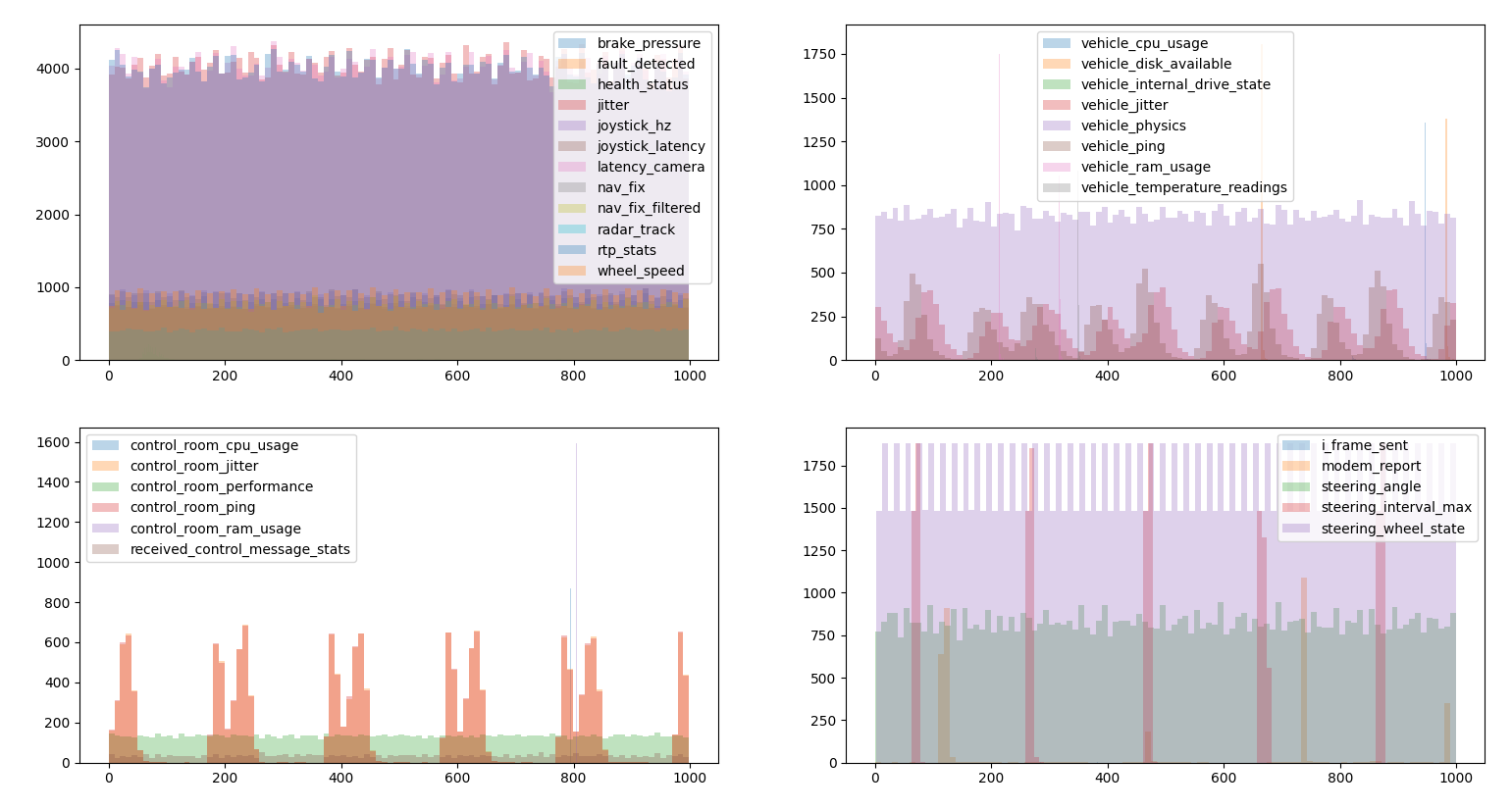
grouping sources per frequency range
We see that even within the same source group we have diffente firing behaviour and syncing the different sources is not trivial.
We create a heatmap to visualize the firing behaviour
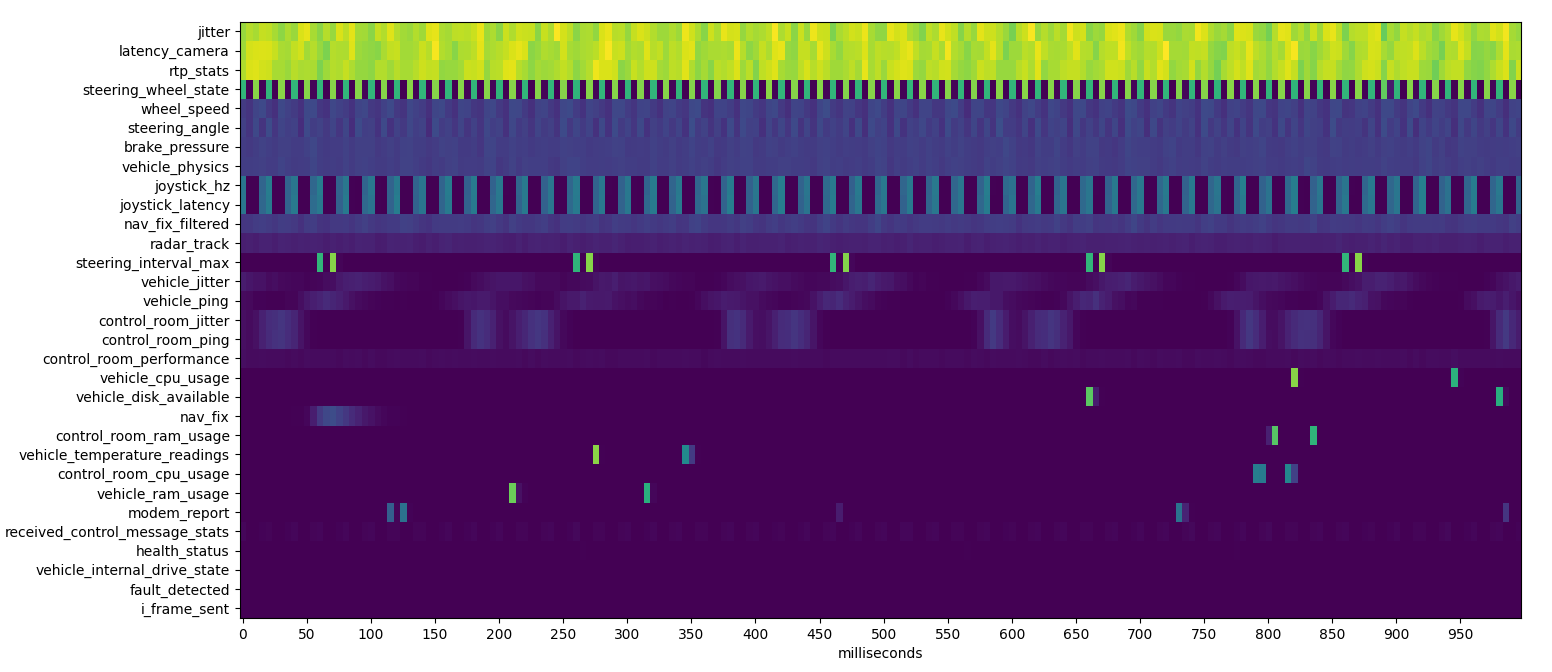
firing behaviour for telemetry features
Despite the visualization the features are not ingested regularly and some frequencies are pretty low
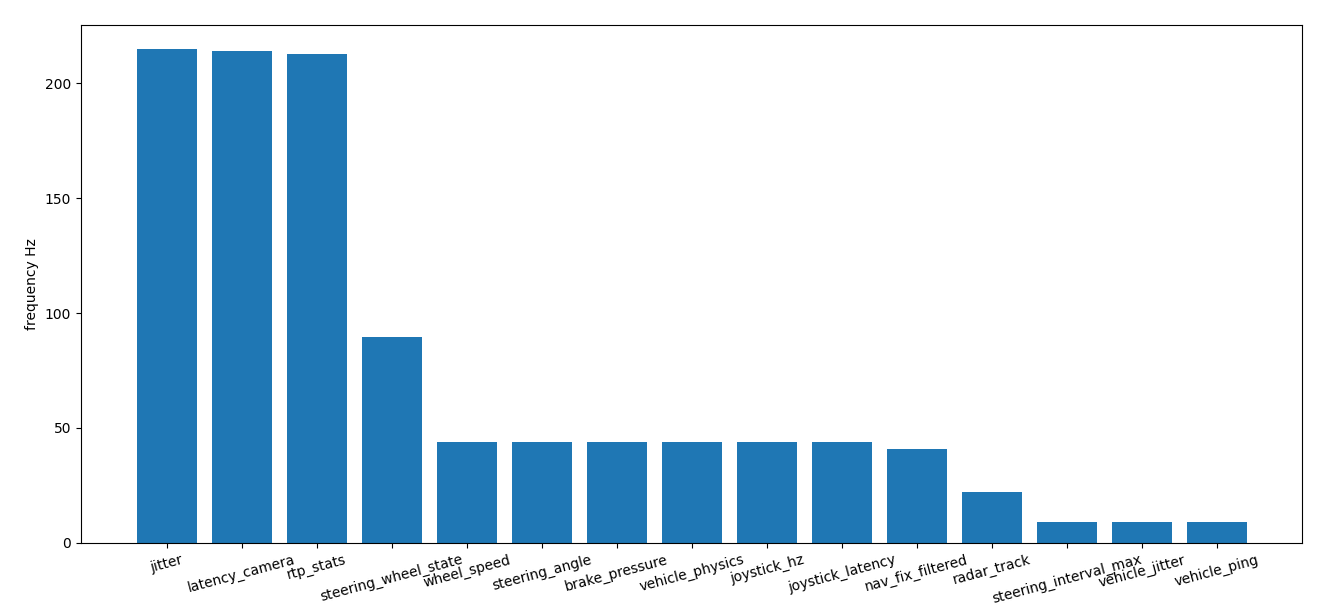
telemetry frequency
The data is than sent to the backend and arrives at
stream_ingestion_timestamp_ms
and get processed at
processing_timestamp_ms
by kinesis.
ingestion delay
We see a clear delay between the time the topic publisher sends the data and kinesis process it
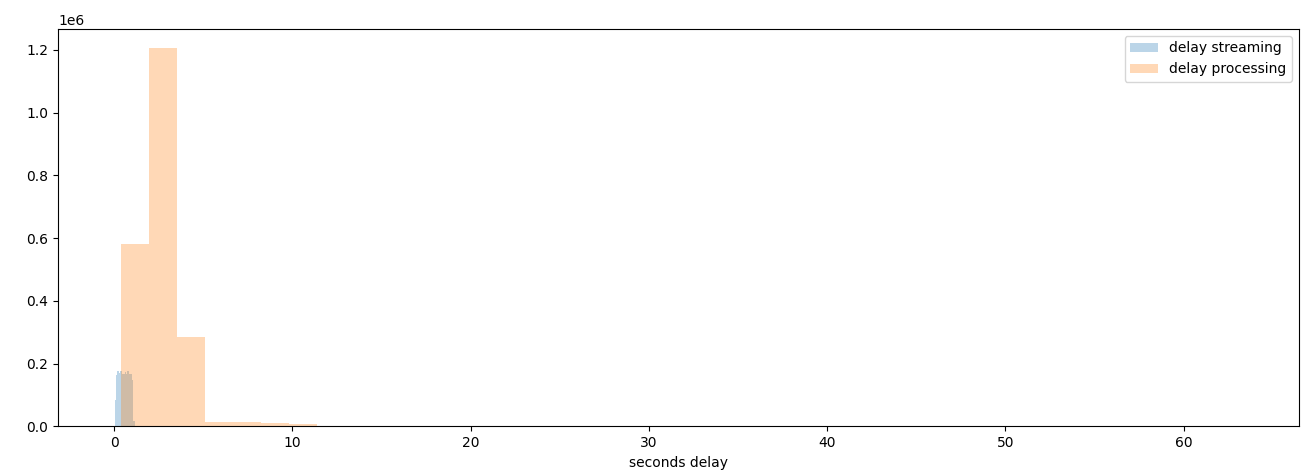
delay in processing the data, around 5 seconds as median
While the data arriving at the backend has at least 200ms delay till 1s. Streaming data has a curious cycle pattern to be further investigated.
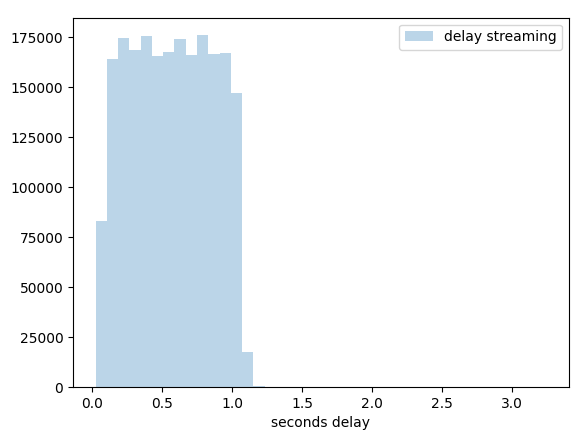
delay in streaming the data
We finally check that the latency is equal for all cameras
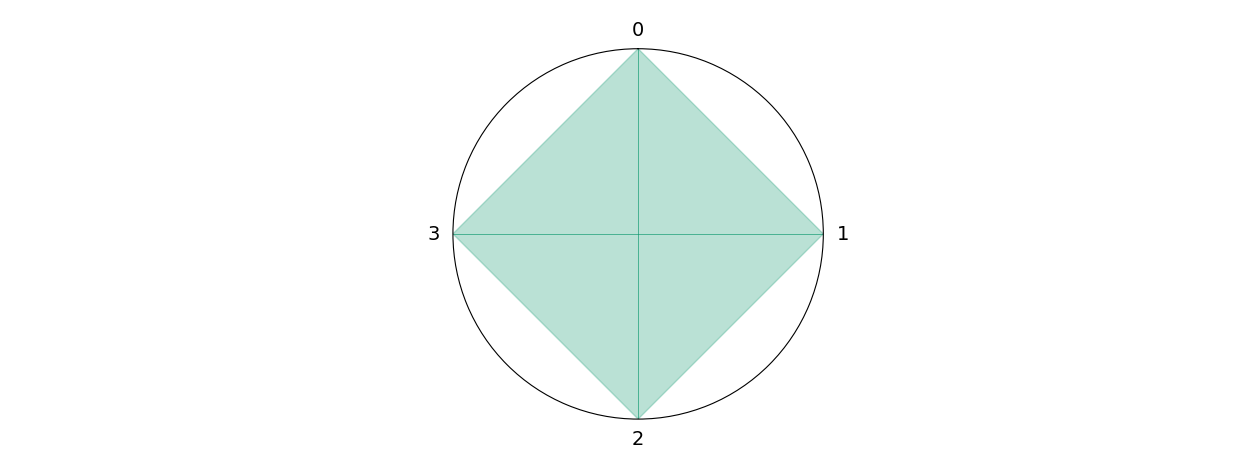
all 4 cameras have the same mean latency
data stream
Source: proc_telemetry
Data is coming irregularly and values fluctuates artificially because of time buckets. We need to re write the data flow to have consistent data for the predictions.
We take cut the timestamp and calculate the deci seconds to create more consistent time bins
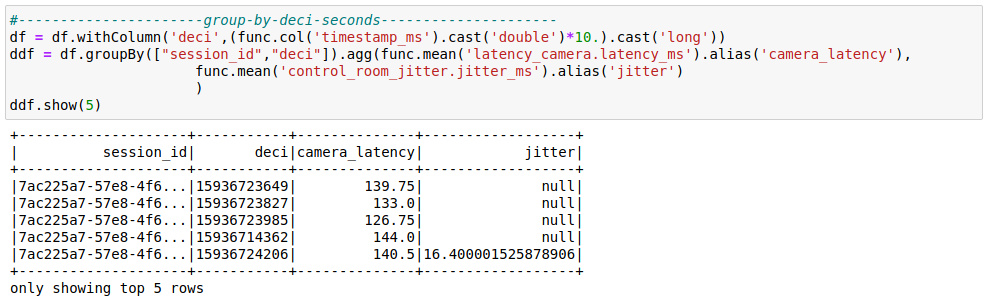
resampling time bins
We still have many empty values and we create a rolling window to replace the missing values with the running average
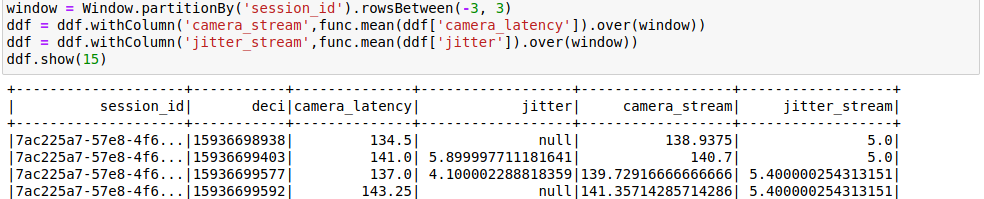
running average over the previous and successive 3 records
data extraction
We mainly use athena to download the data but we have a strong preference for spark since it enables a more careful and complete workflow moving from simple queries to a complete software design
Athena limitations:
-
can't handle
nullin averages - NaN/10. = 0. which is wrong
- can't create libraries
- no user defined functions
We than avoid all arithmetic operations in athena to avoid fake zeros.
network_log data
Query
network_log.sql
Code
stat_network.py
We analyze the network data to understand which features should be joined with the telemetry table.
The series have many empty values
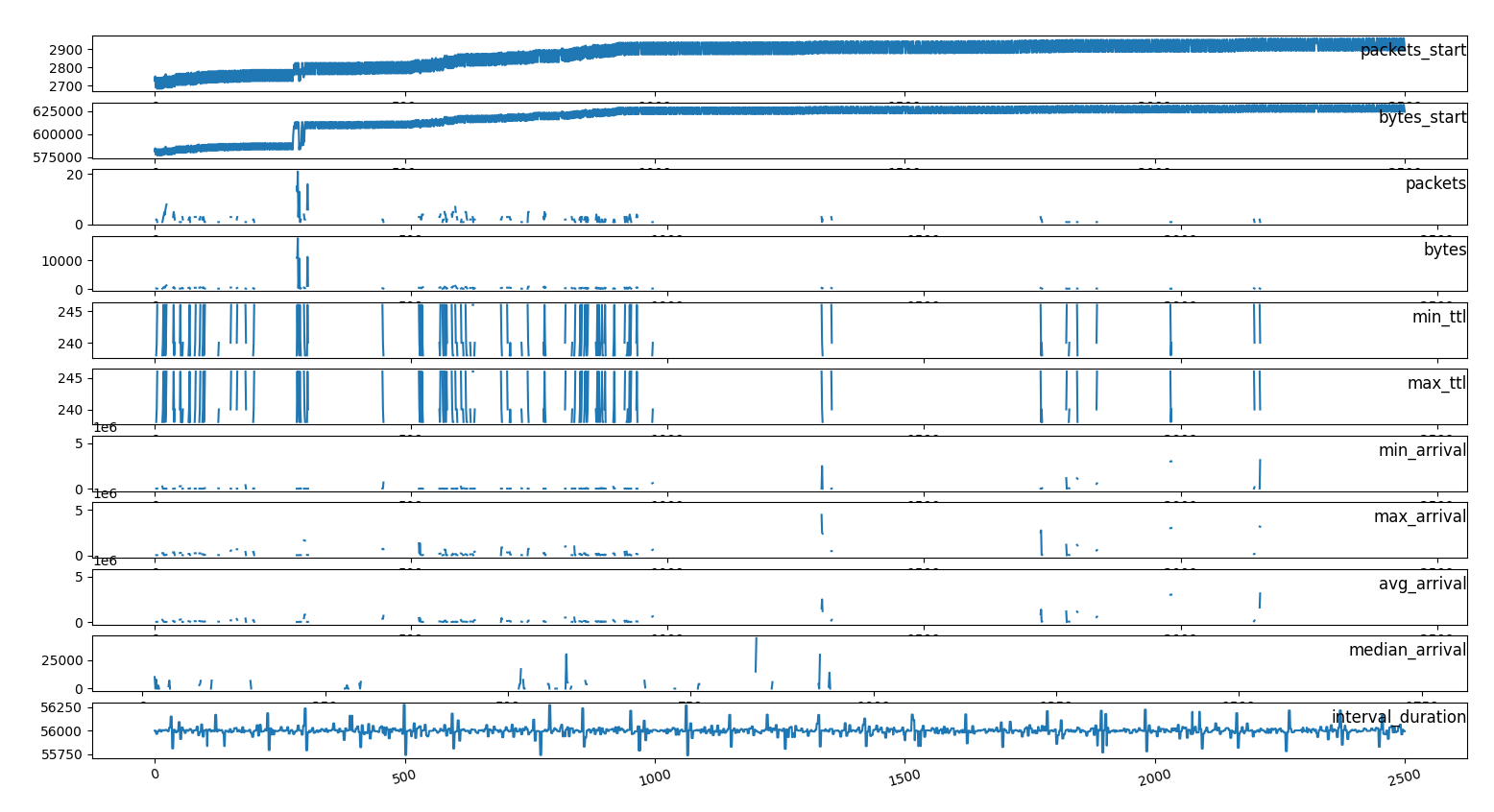
time series network features
Distributions are pretty narrow and have many outliers, not all cameras have the same network figure.
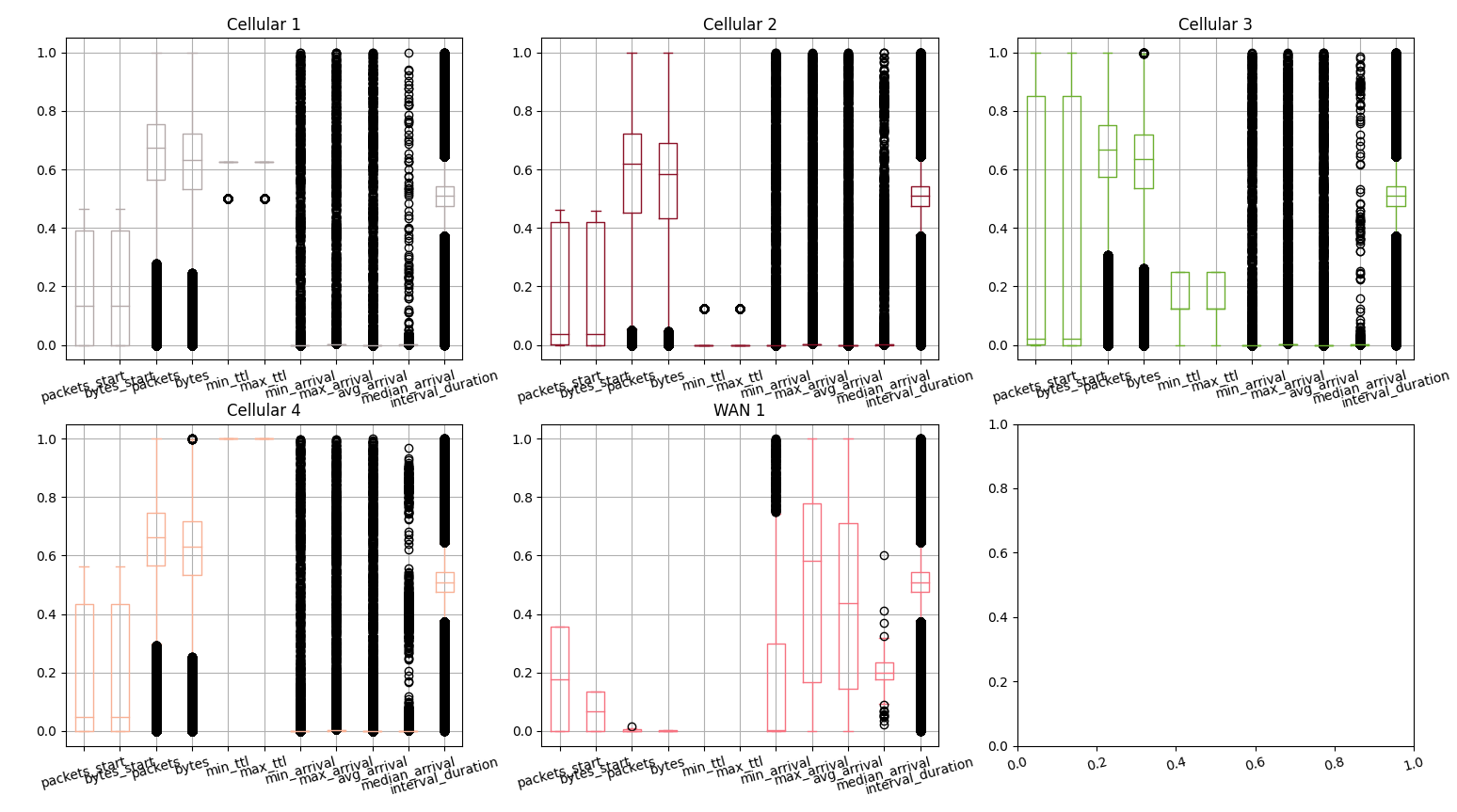
boxplot of network features
Some features correlate and can be neglected
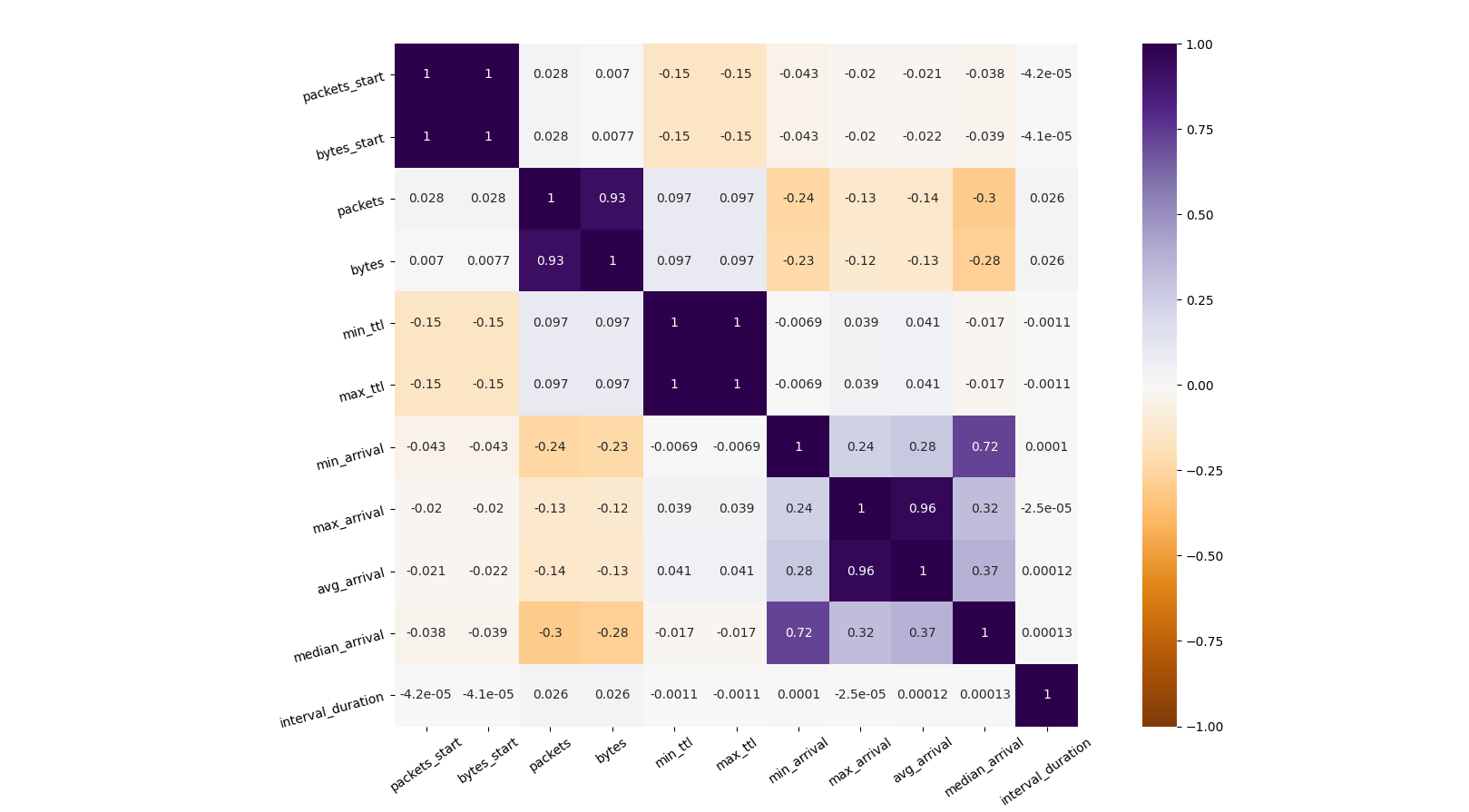
correlation across network features
Some features work in particular regimes and are multimodal
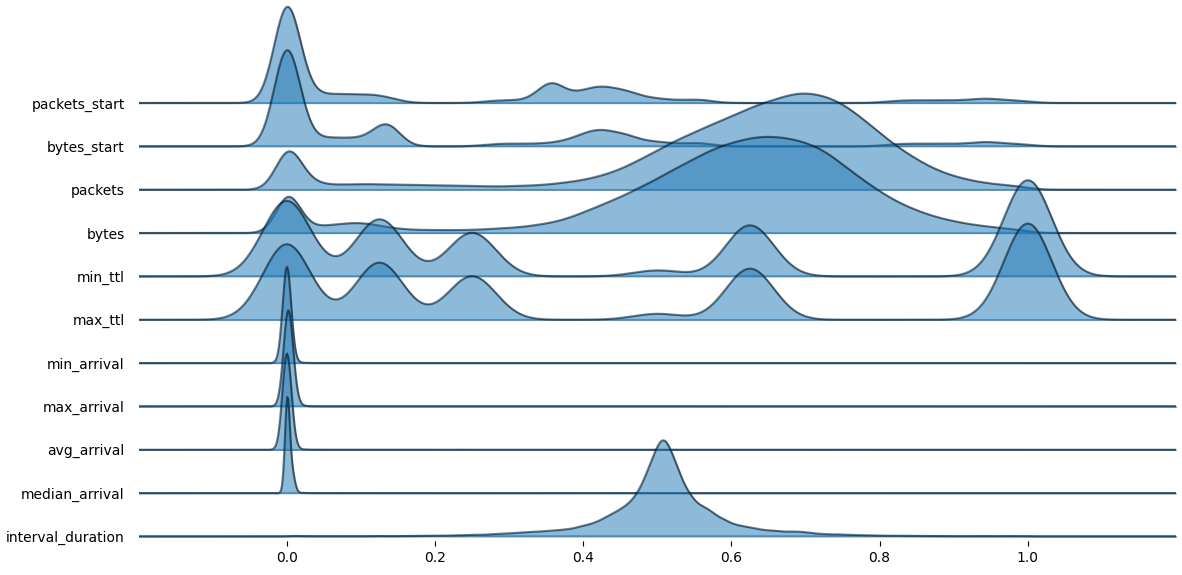
network joyplot
Modem data are clearly multimodal
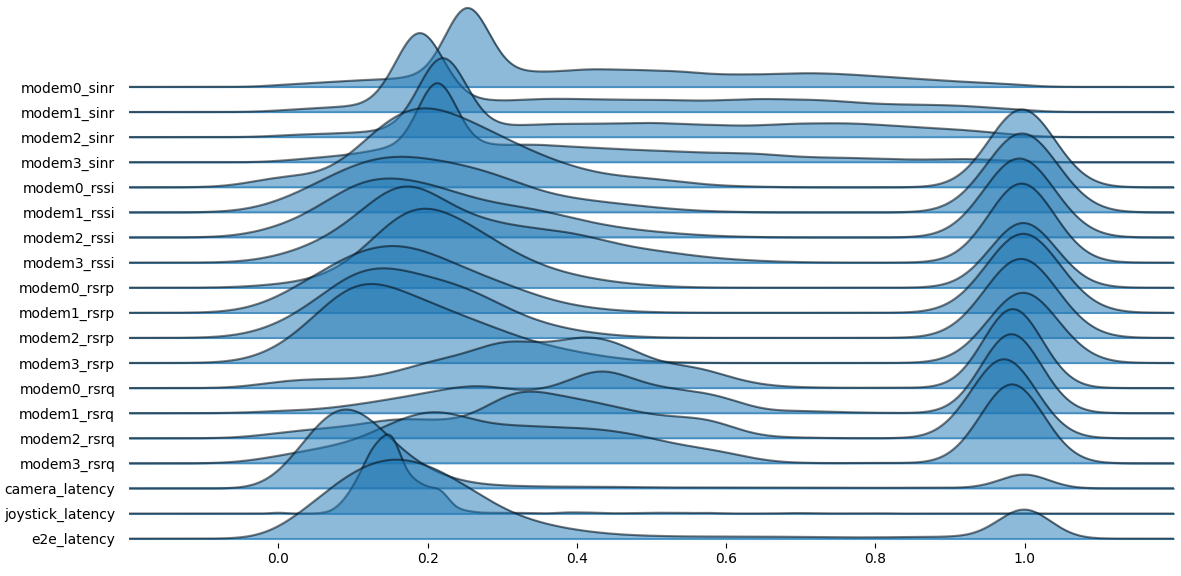
joyplot for modem data
We join the the
telemetry
table with the
network_log
table to explore additional features but the new sources are even more noisy
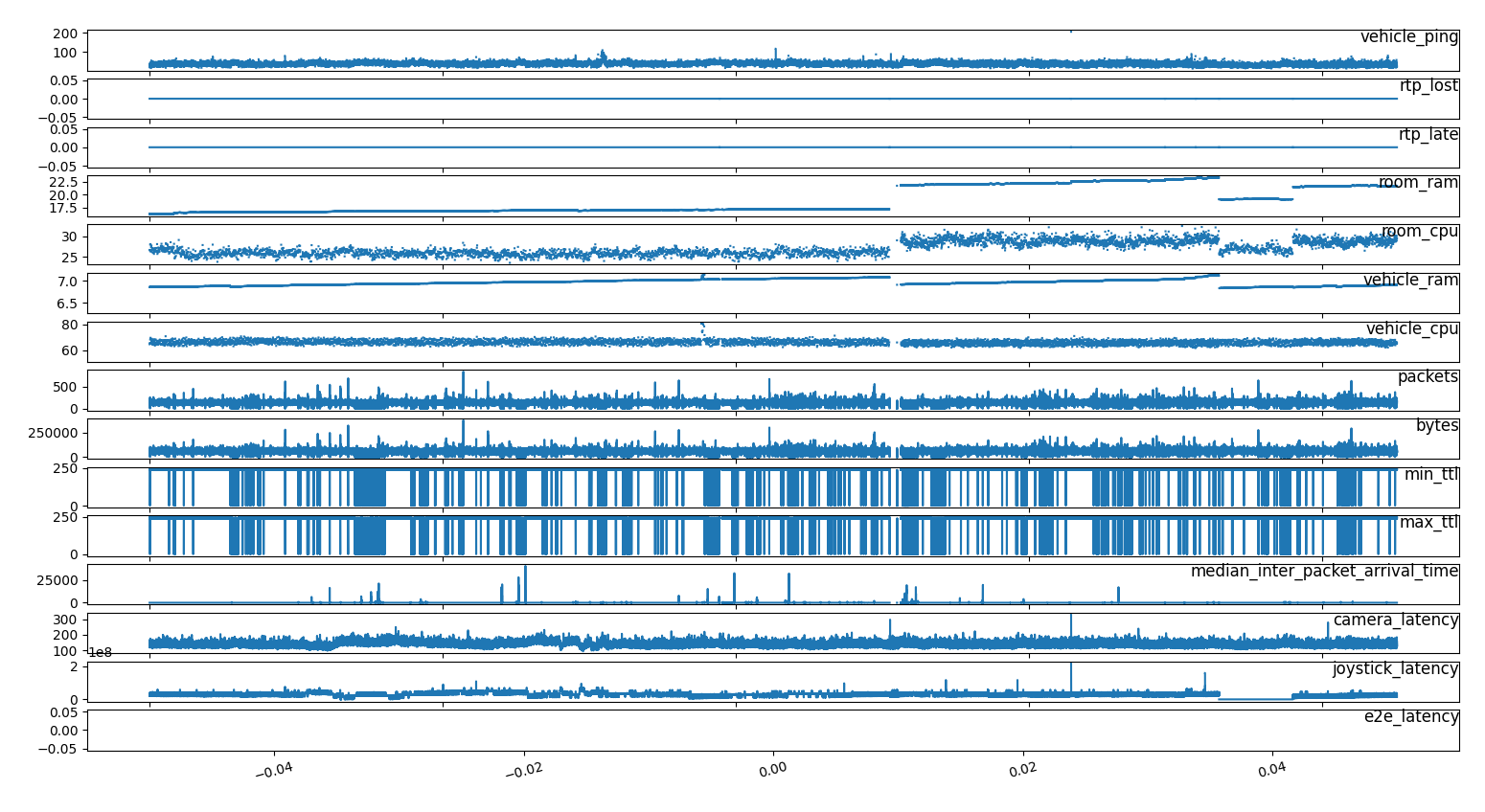
joined
network_log
and
telemetry
tables
modem data
Source:
etl_telemetry_deci
Query:
network_log.sql
We analyze the time series for the modem features
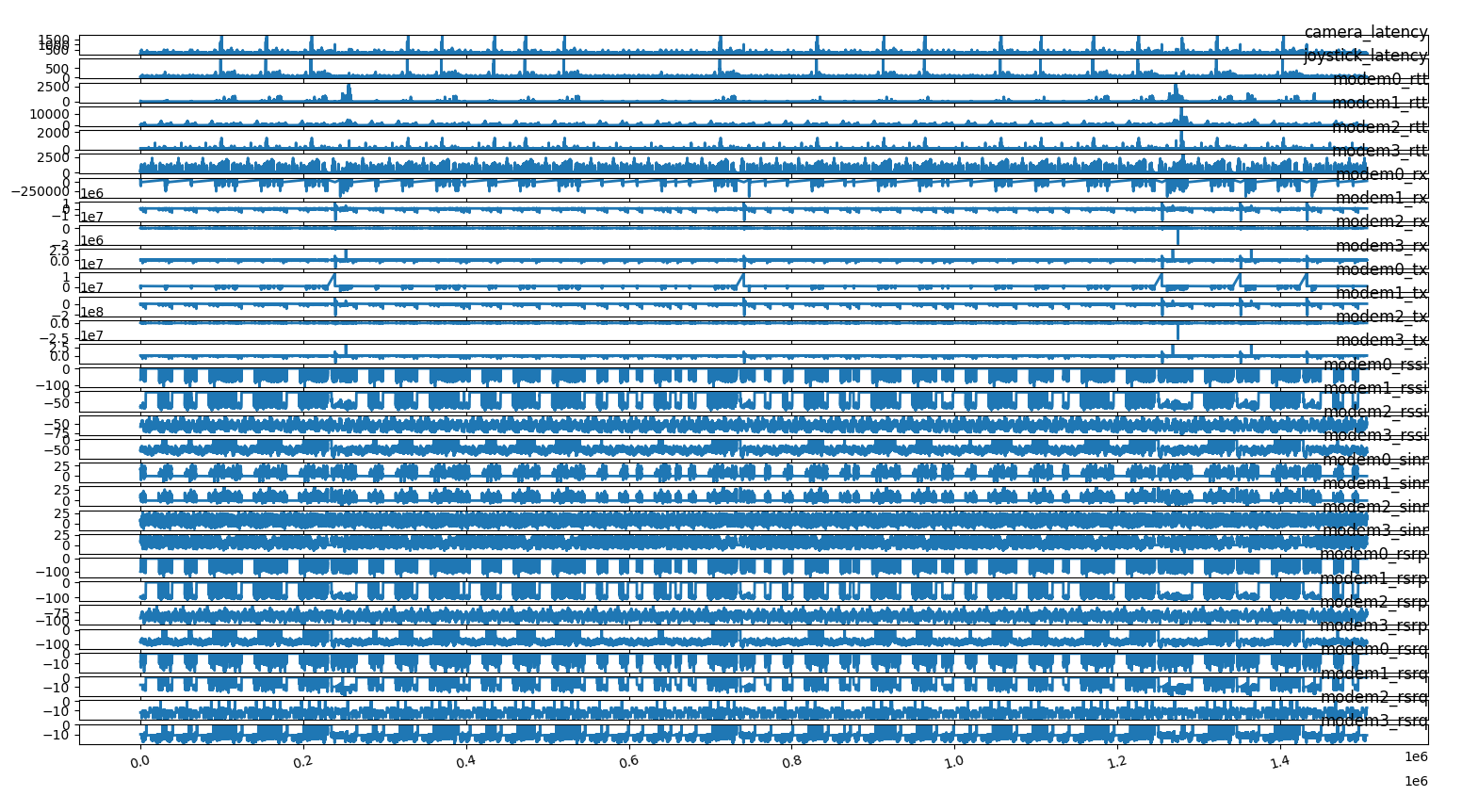
time series of features
and correlate the features
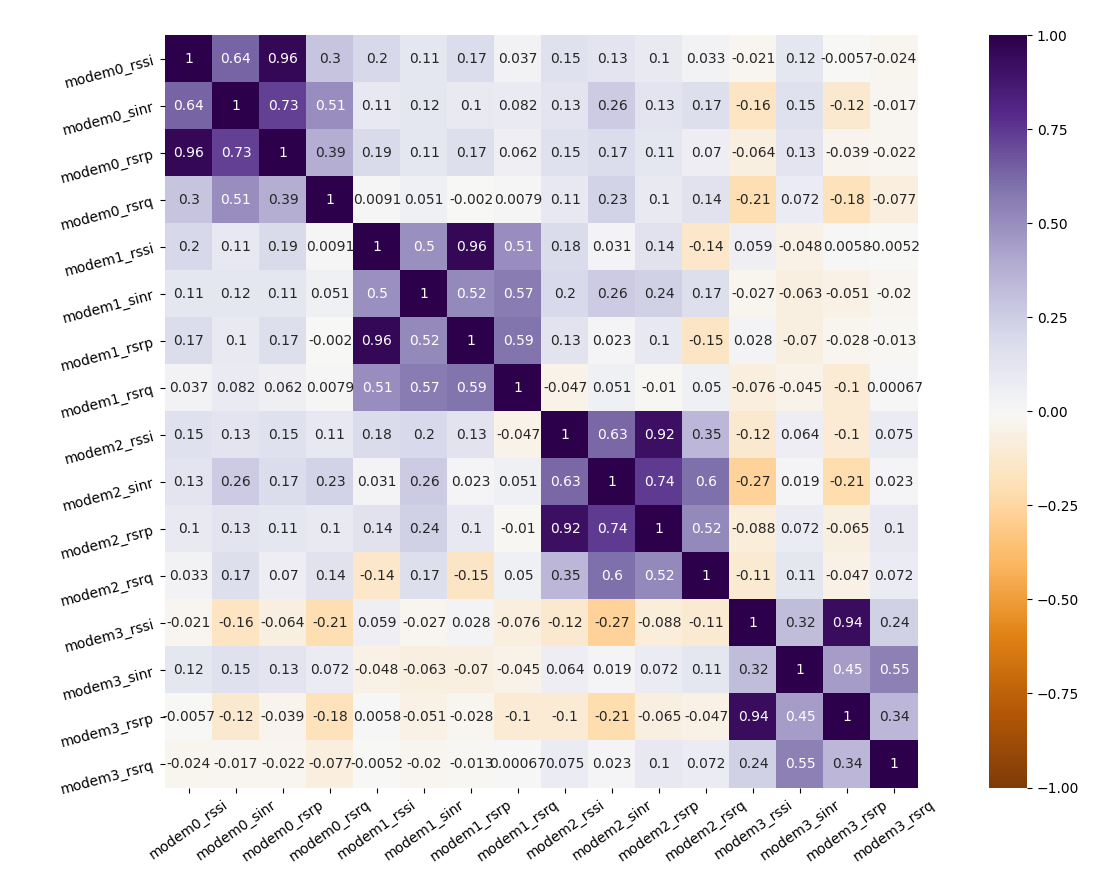
correlation between modems
We show that interpolation on deci seconds creates many artefacts
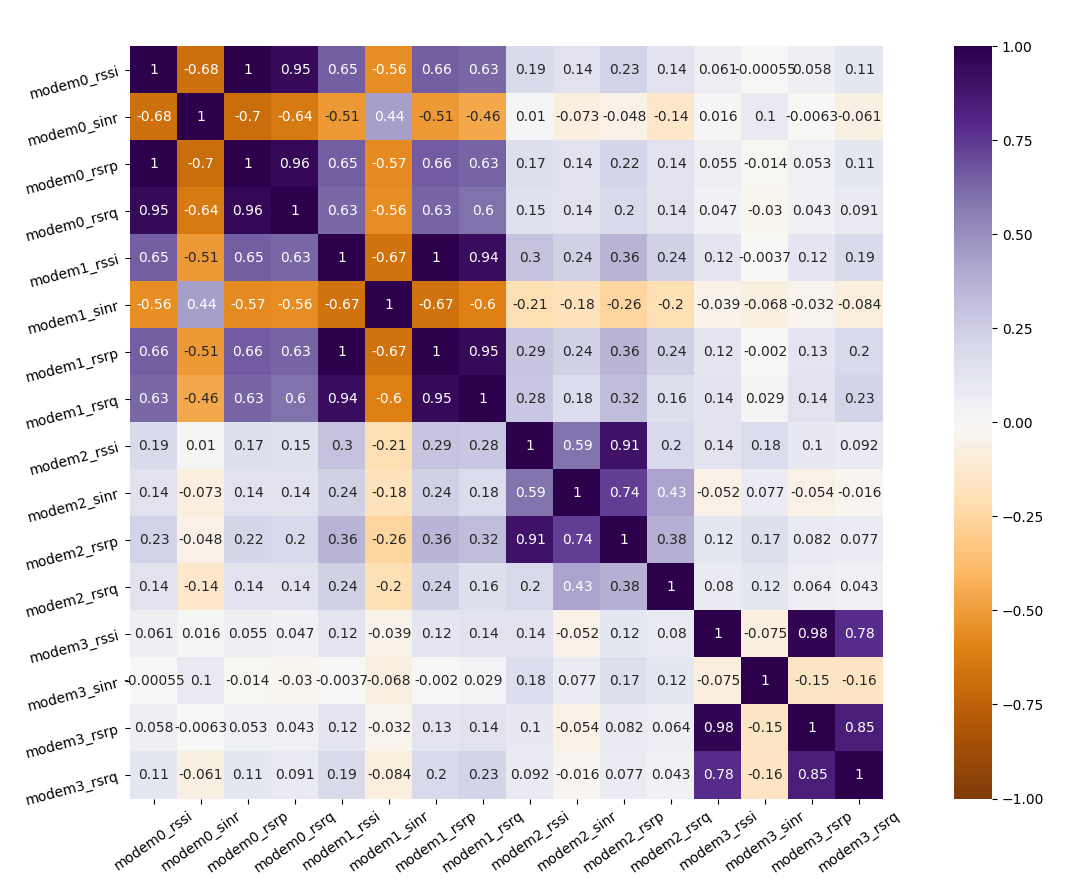
correlation between modems
We display the feature correlation per modem
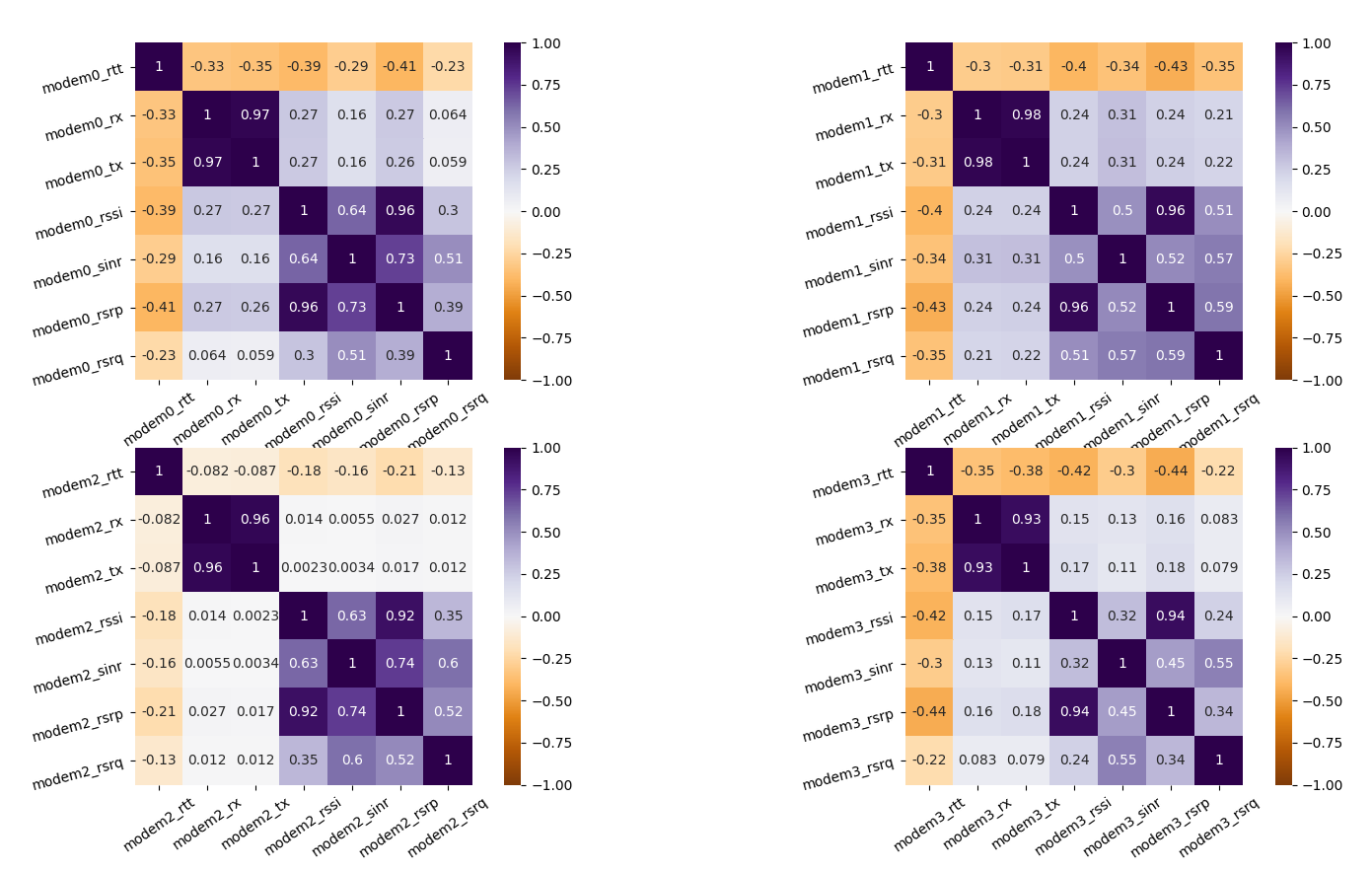
feature correlation per modem
We see that upload and download information is redundant
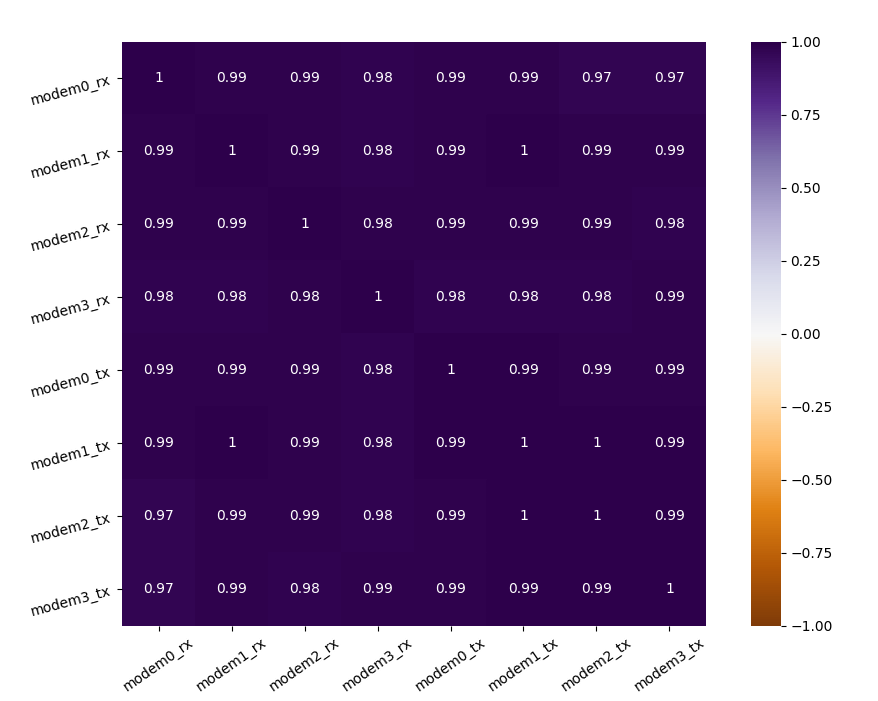
modem upload and download
More interesting is the information in the signal features
- RSSI - Received Signal Strength Indicator
- RSRP - the Reference Signal Received Power
- RSRQ - Reference Signal Received Quality
- SINR - Signal to Interference plus Noise Ratio
we clearly see a correlation between the two D-netz modems (1 and 2) and we keep
sinr
and
rssi
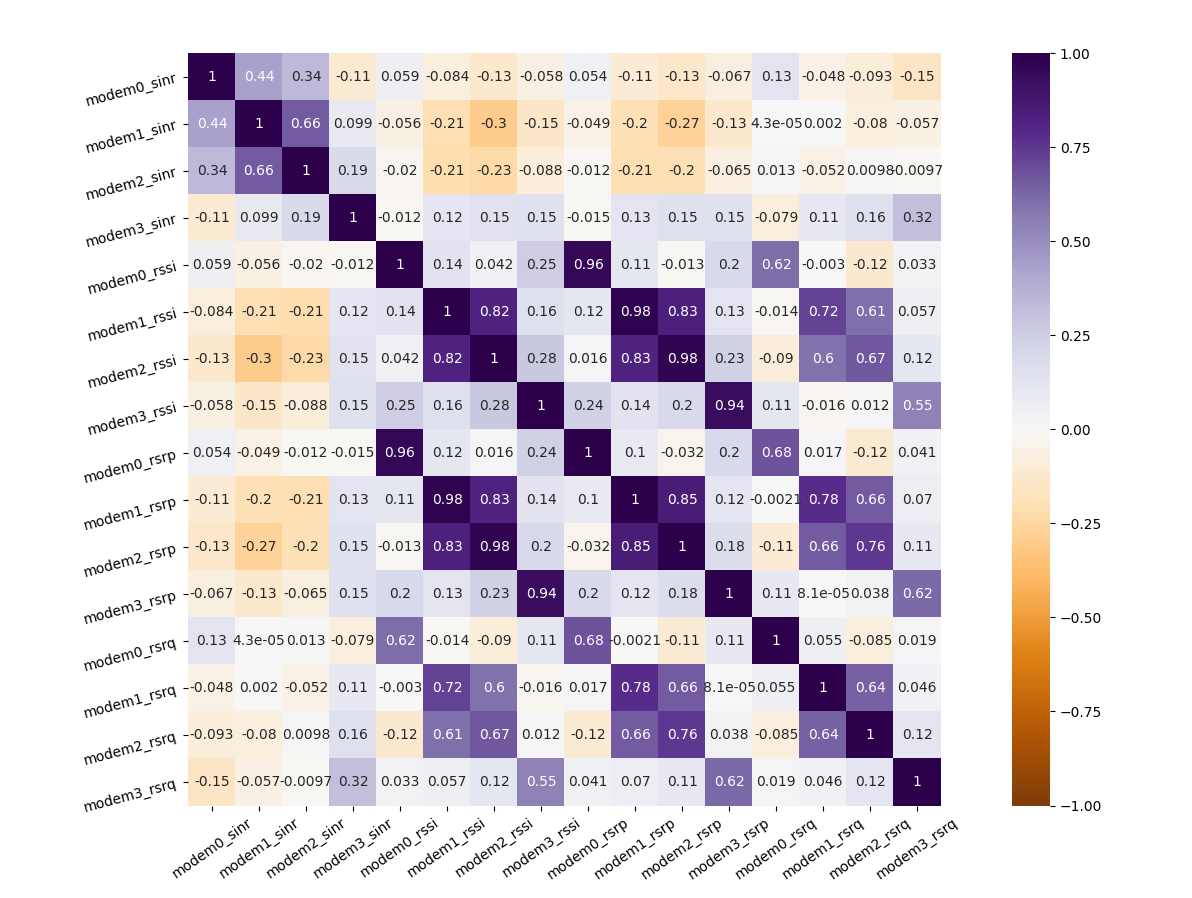
correlation of the modem signal features
sinr
and
rssi
are the most rich features
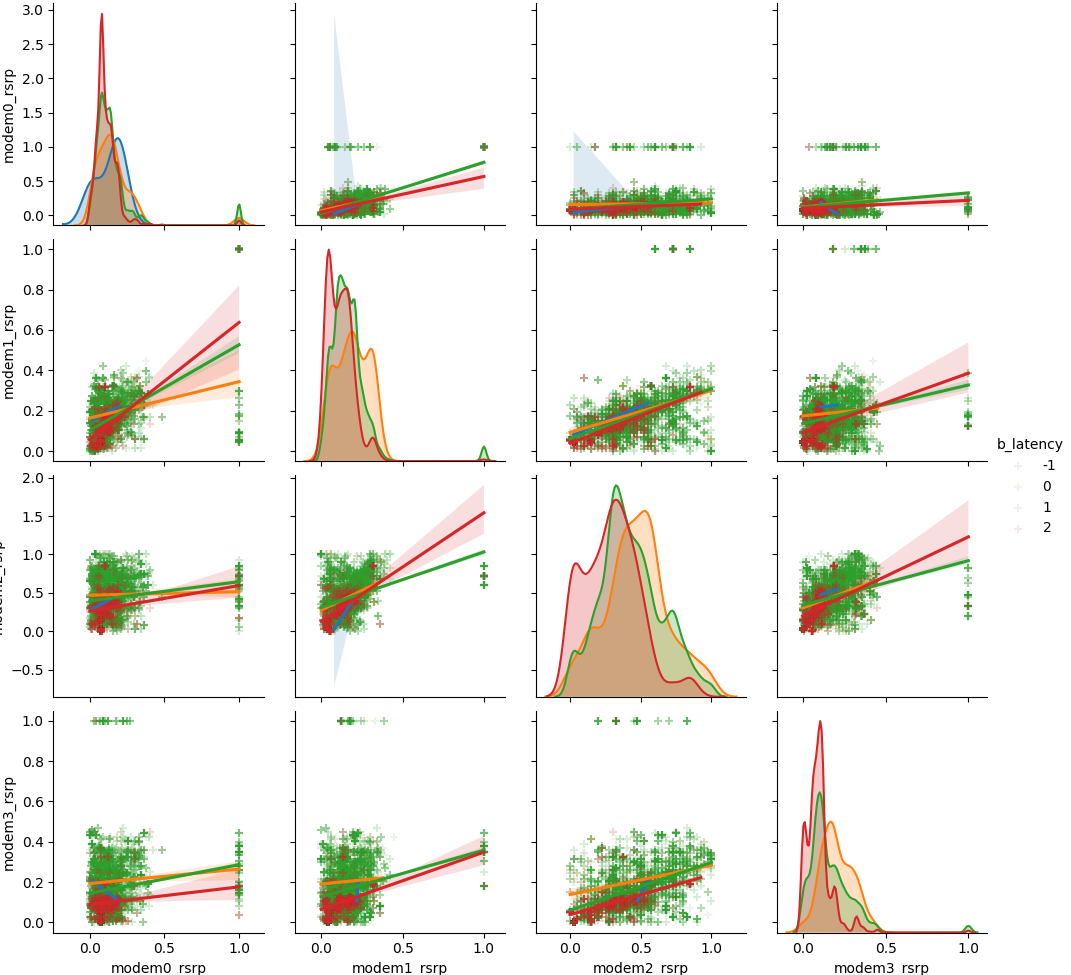
pairplot of the rsrp features
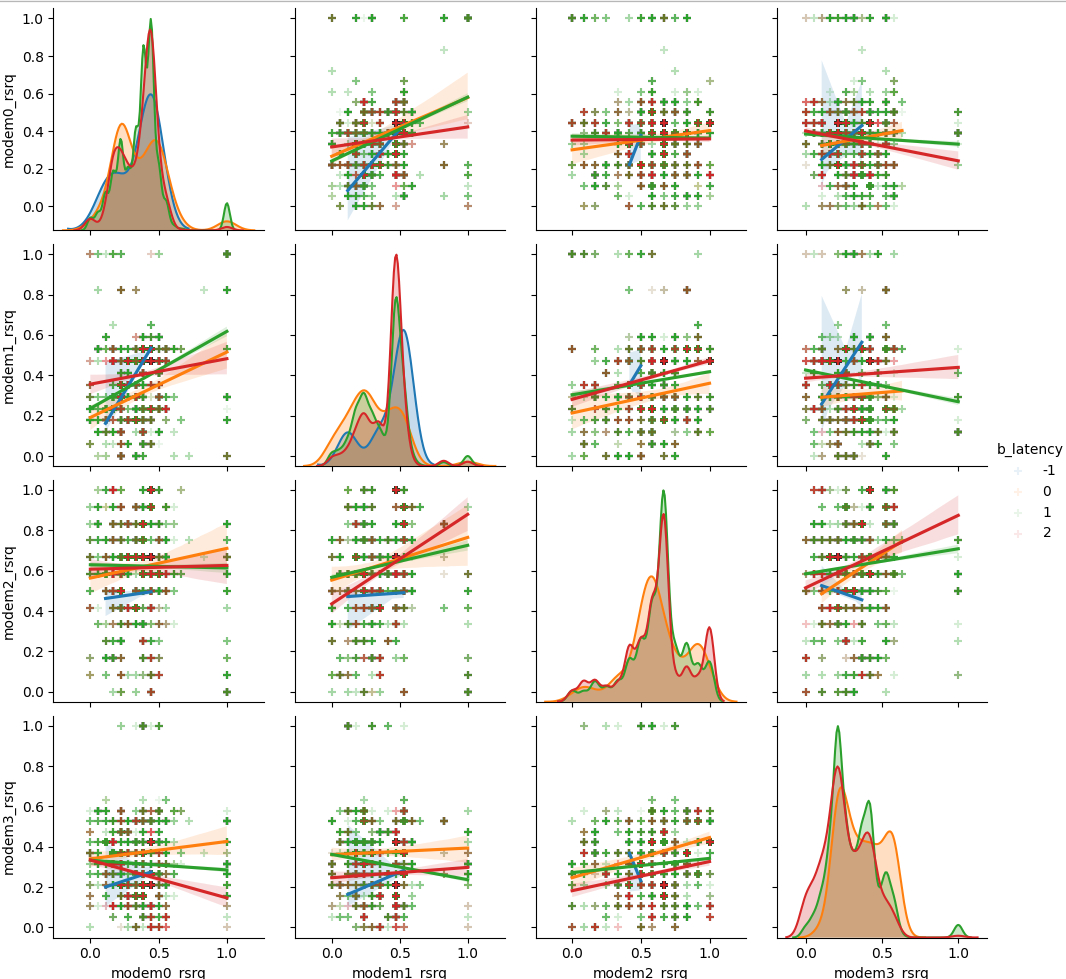
pairplot of the rsrp features

pairplot of the rsrp features
pairplot of the rsrp features
We see that most of the features have to distinguished regimes
joyplot of modem features
We see a different persistance depending on the modem we consider
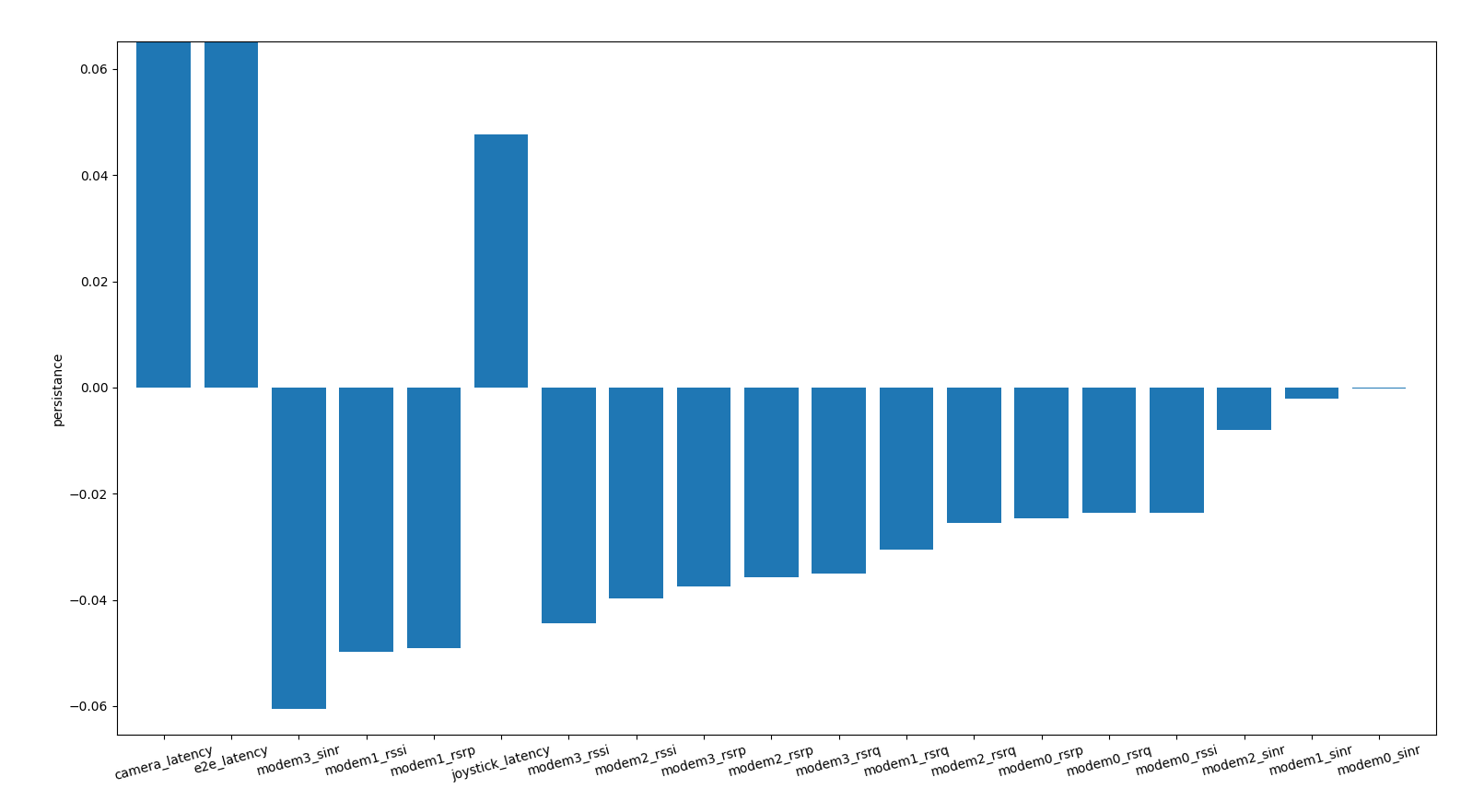
modem feature persistance
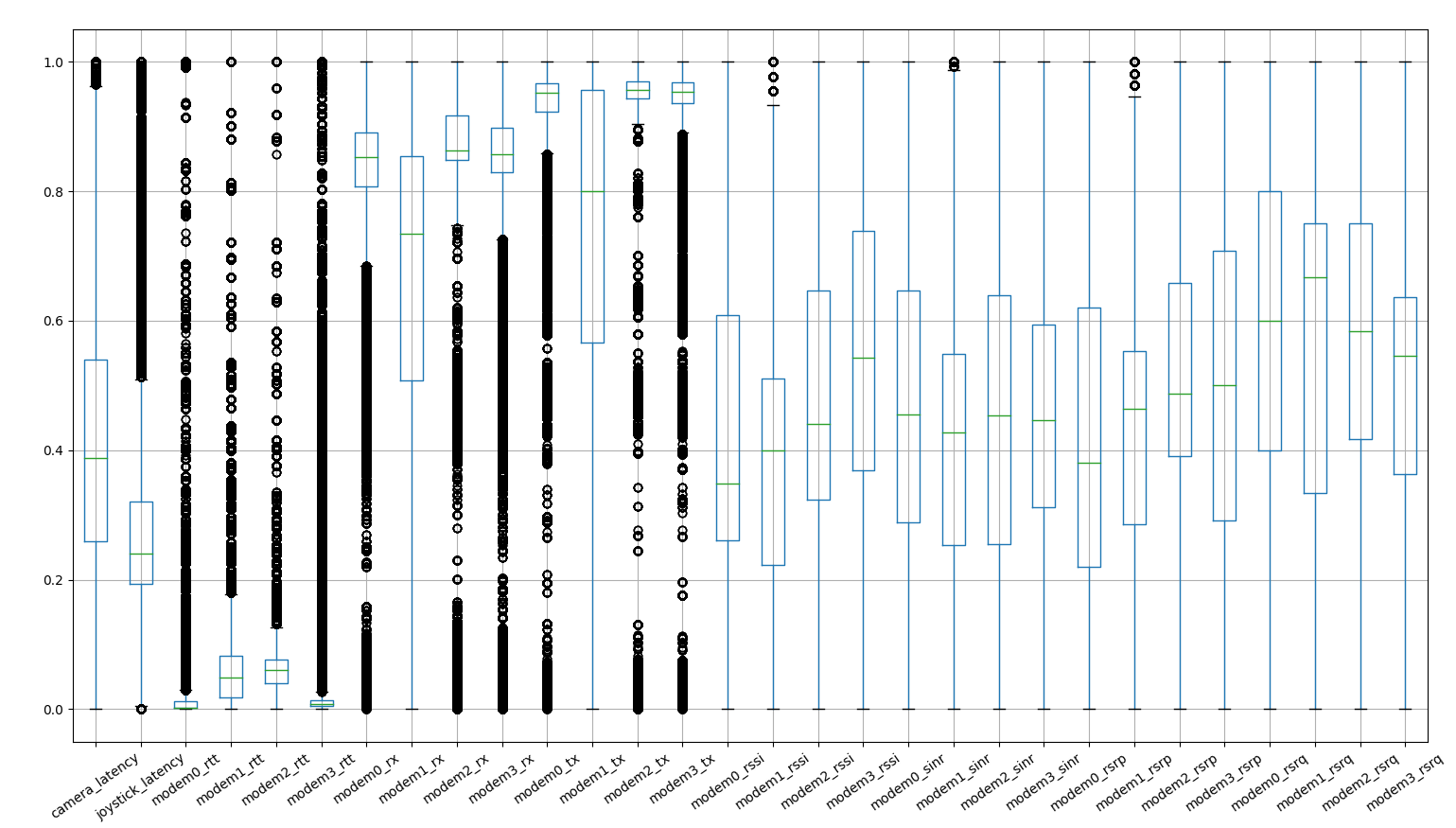
boxplot of modem features
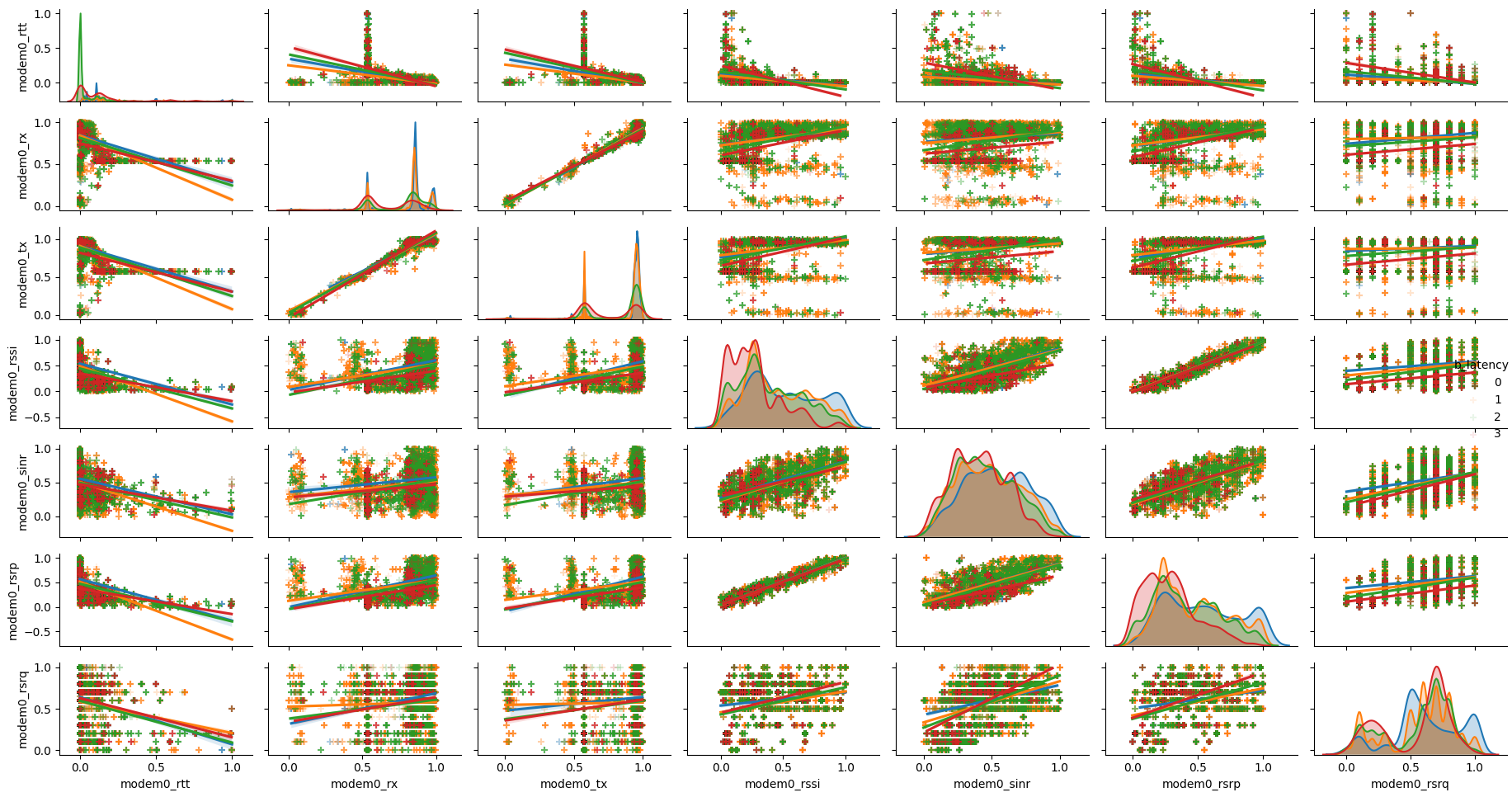
pair plot of modem 0
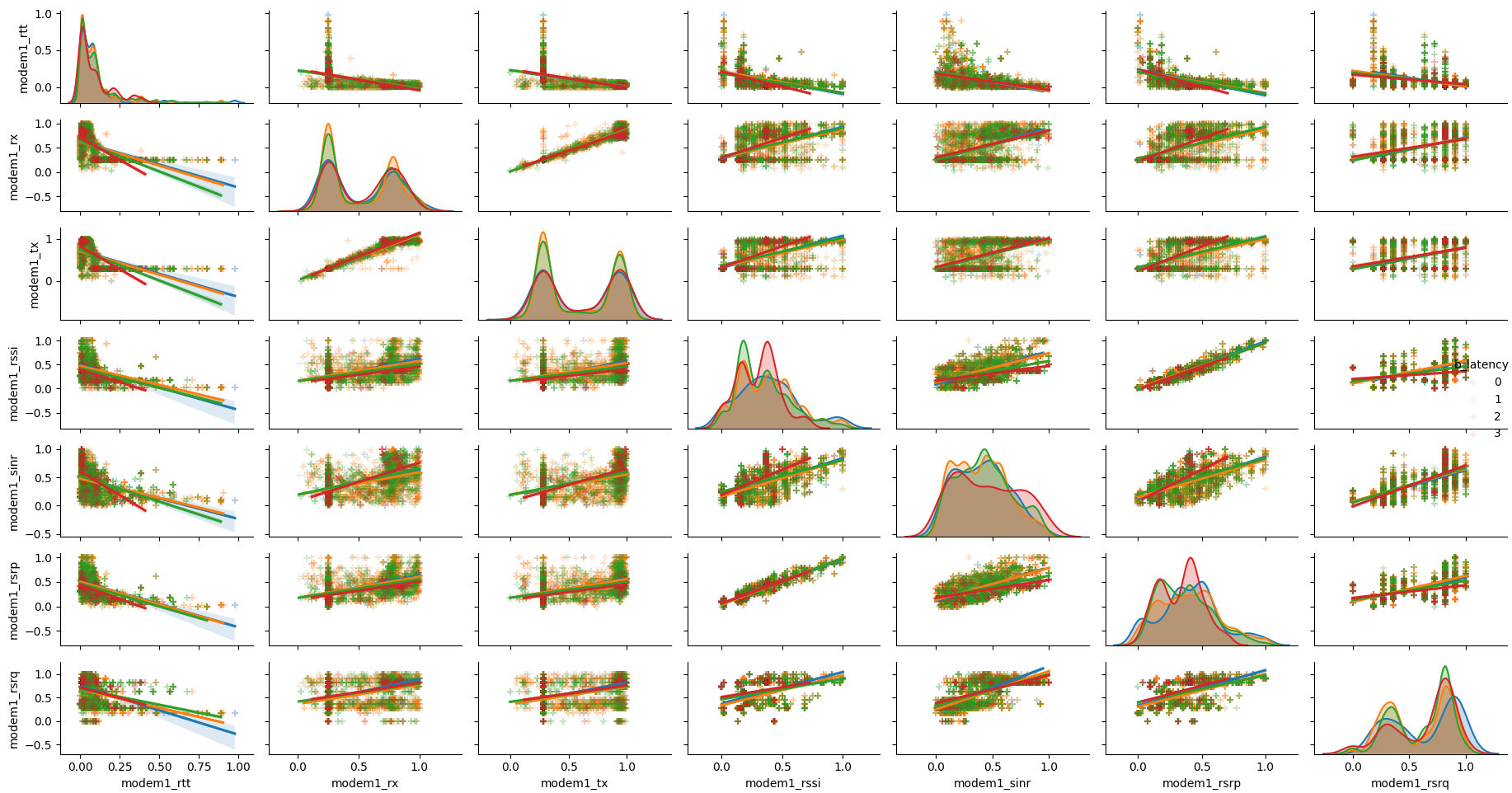
pair plot of modem 1
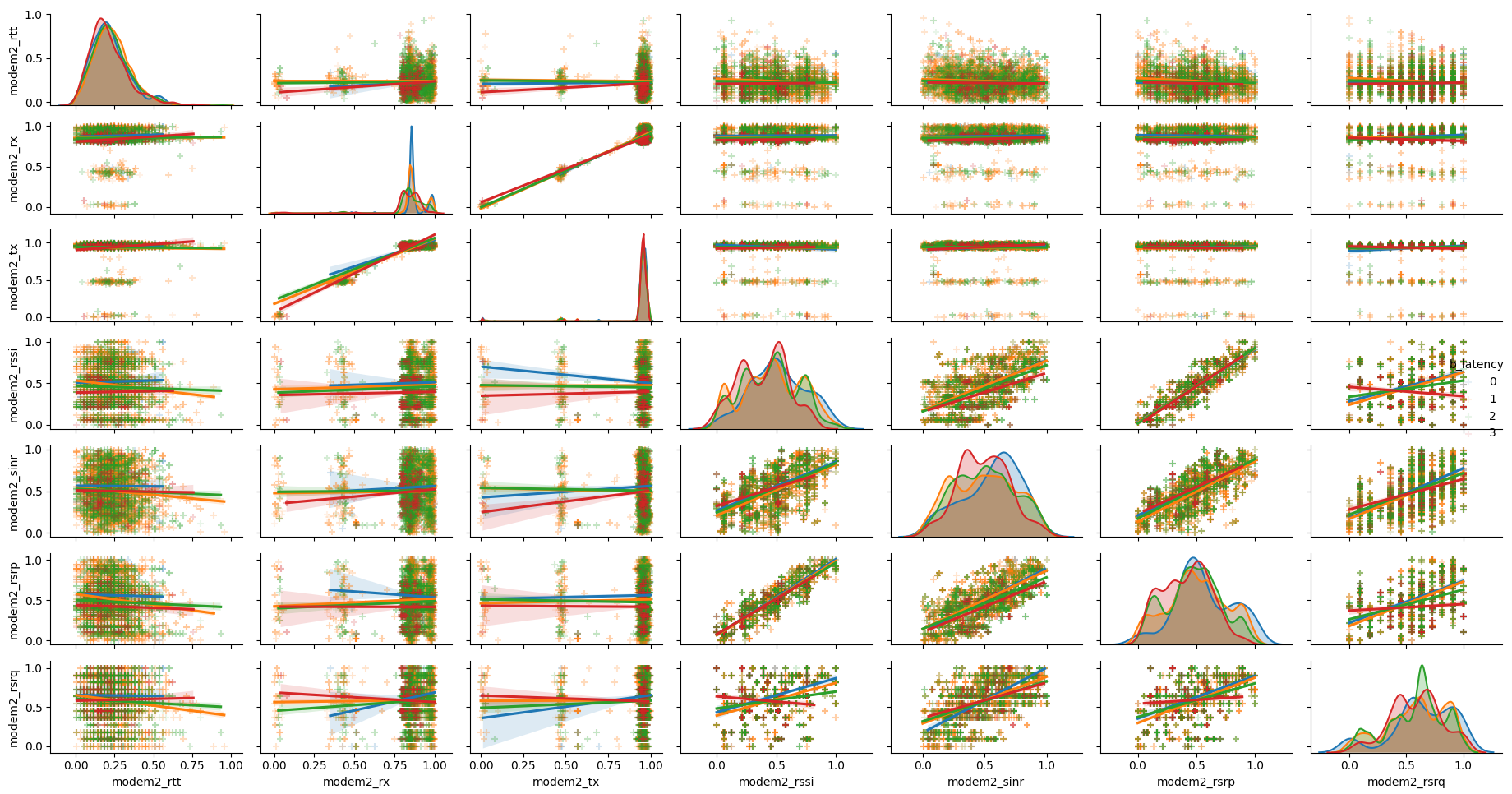
pair plot of modem 2
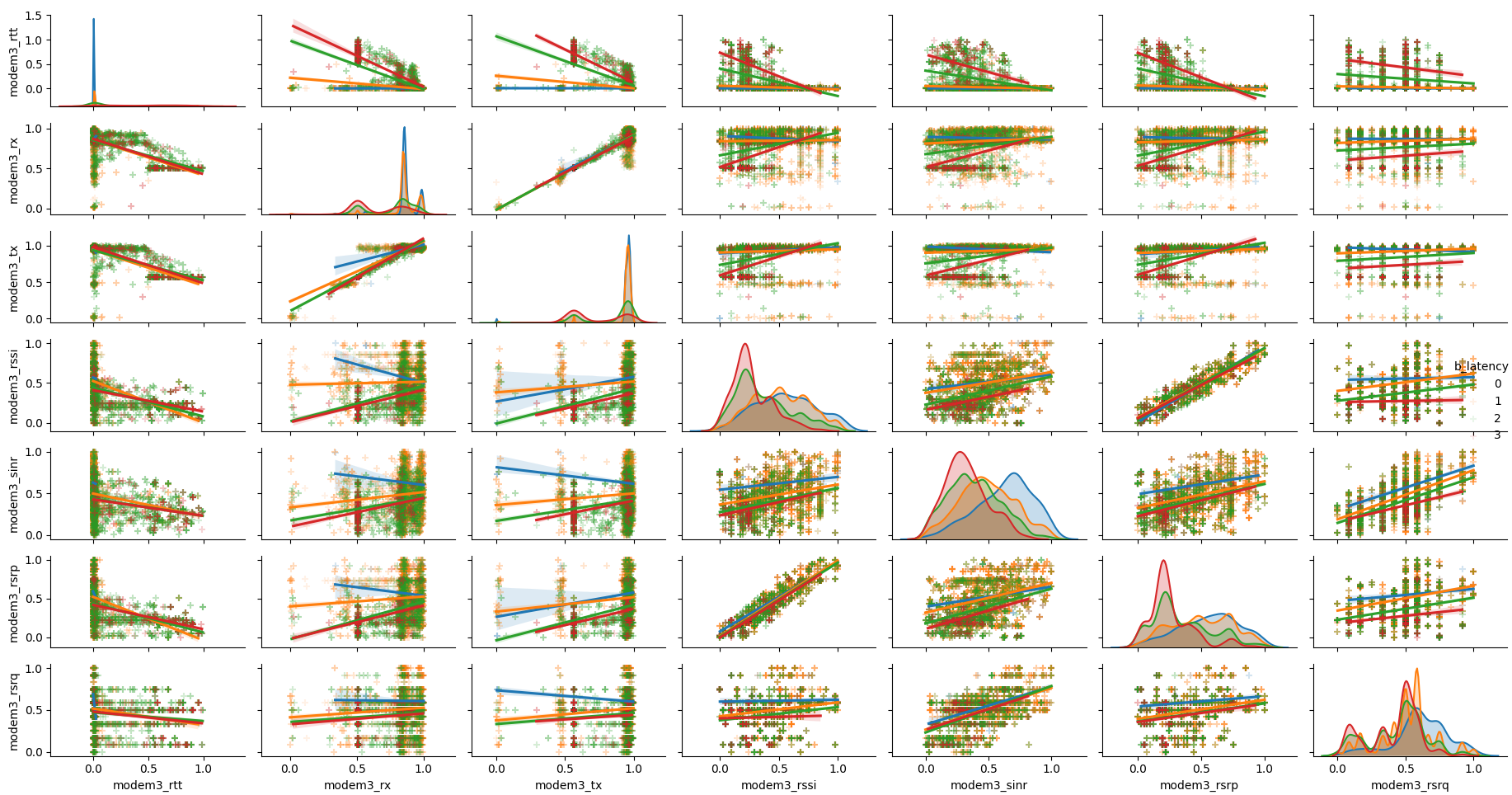
pair plot of modem 3
camera index
We see that during a spike (
camera_latency
> 300) all cameras have similar latencies
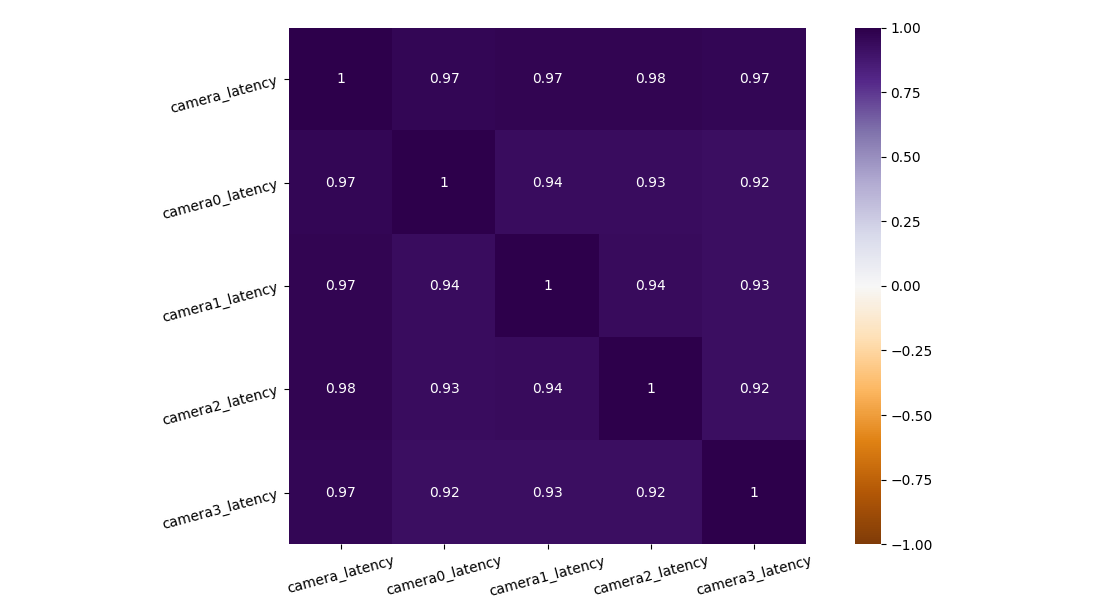
correlation of camera latency during a spike
session time
We see that some quantities are dependent from the
session_time
which is the time since the starting of the session.
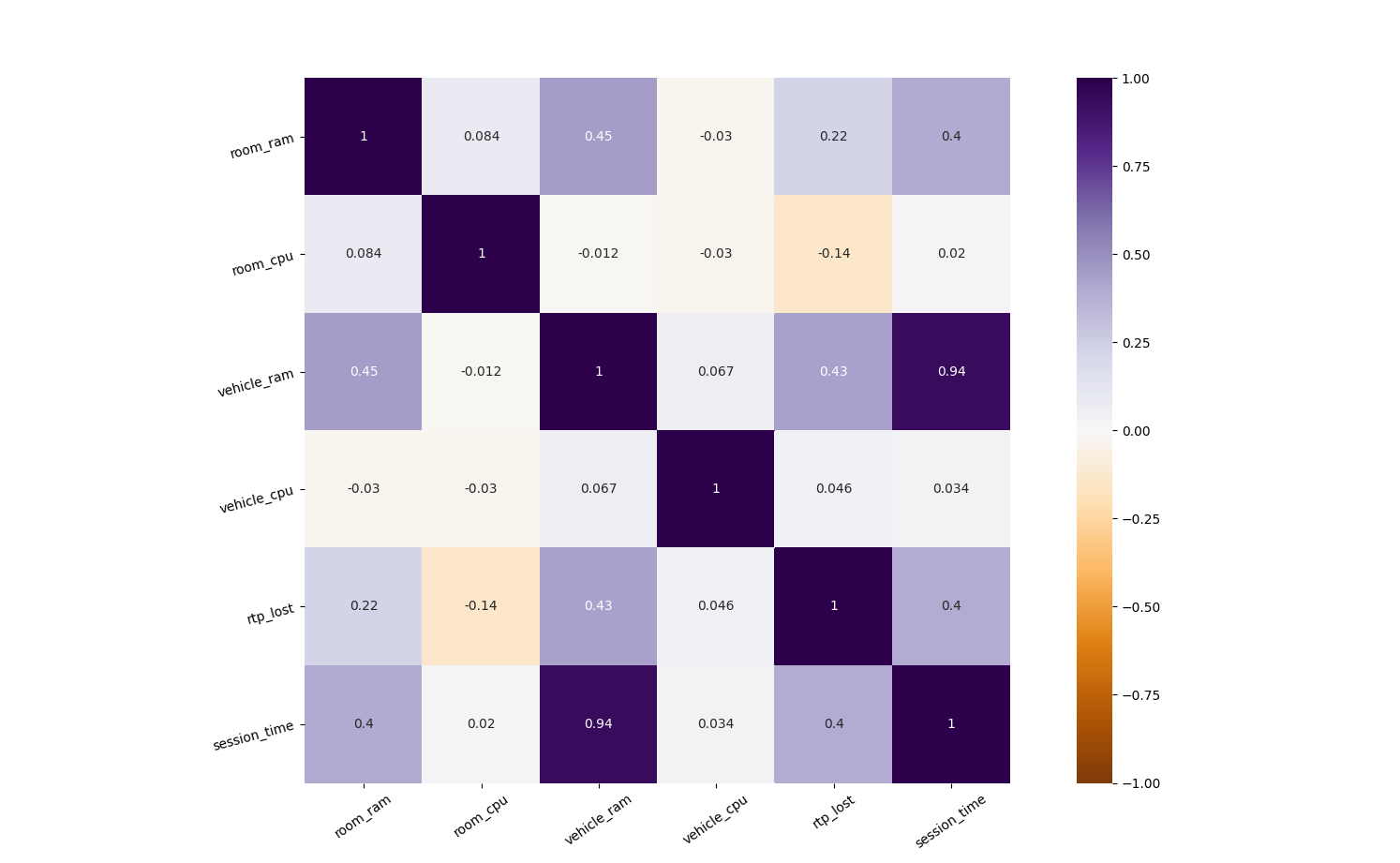
correlation between the
session_time
and other features
ram
is steadly growing over
session_time
but it's value never gets critical
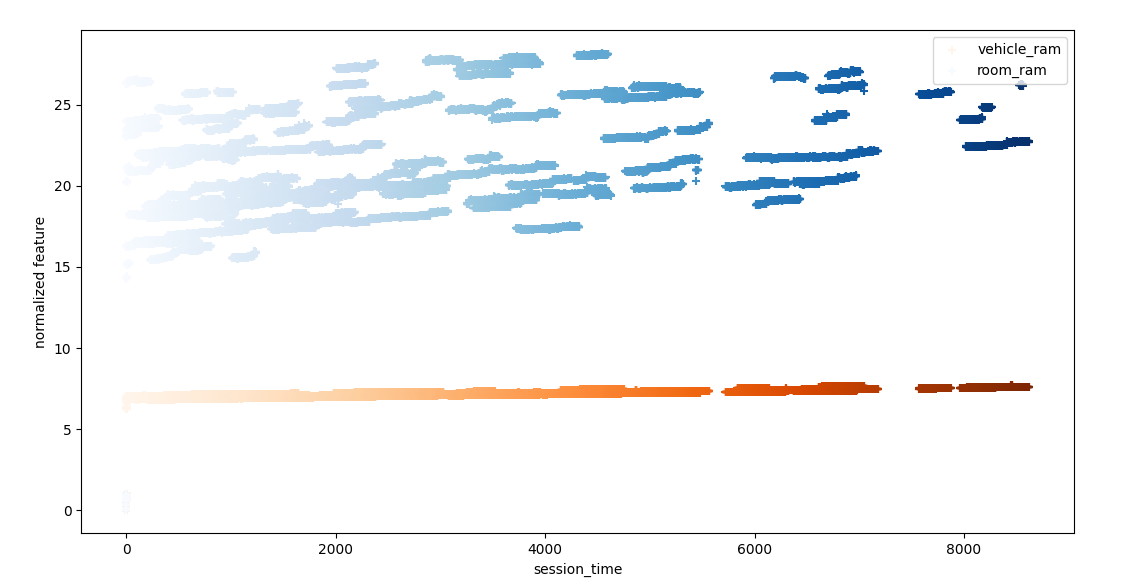
evolution of ram over
session_time
Session time doesn't seem to influence the number of spikes
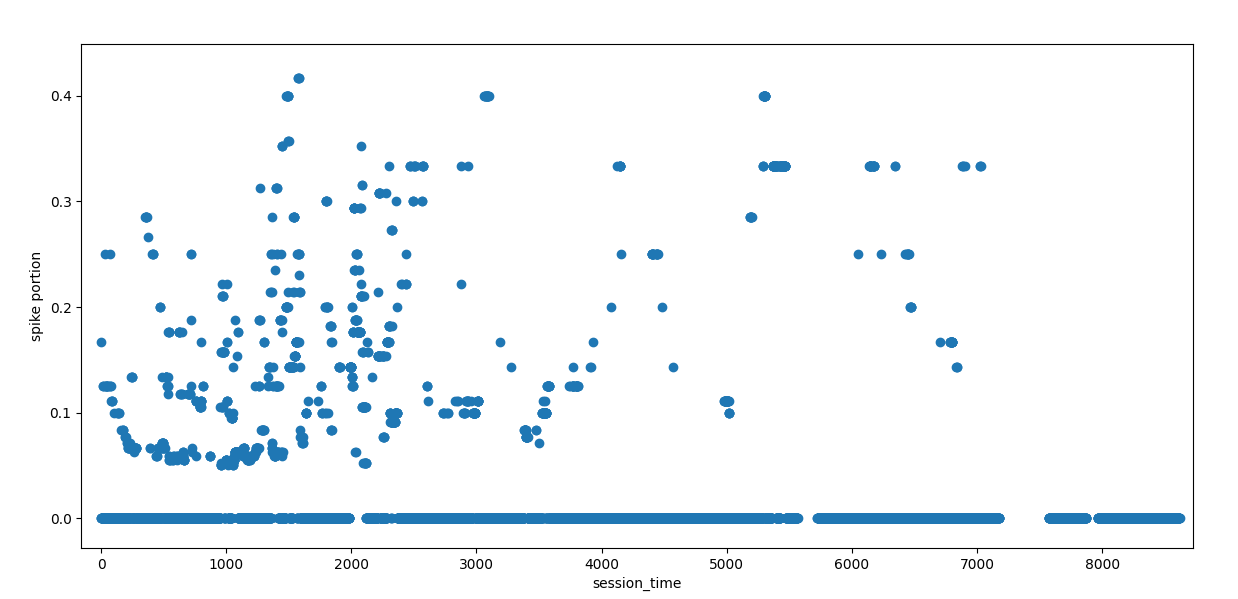
spikes over
session_time