Spiega documentation
- Knowledge sharing
- Portfolio
blind test
Our function can be expressed as:
$$ x_{act}(t) m_{share}(t_{d}) = y_{ref}(t) ../../f/f_{people}(t) + y_{out}(t) $$
where $x {act}$ is the number of activities, $m_{share}$ is the market share, $y_{ref}$ reference data - cachier receipts, $../../f/f_{people}$ people per receipt, $y_{out}$ people outside the shop, $t$ time, $t_{d}$ day_
reference vs reference
To check the capability of the prediction we take as reference the customer data and as activities the customer data multiplied by a random noise
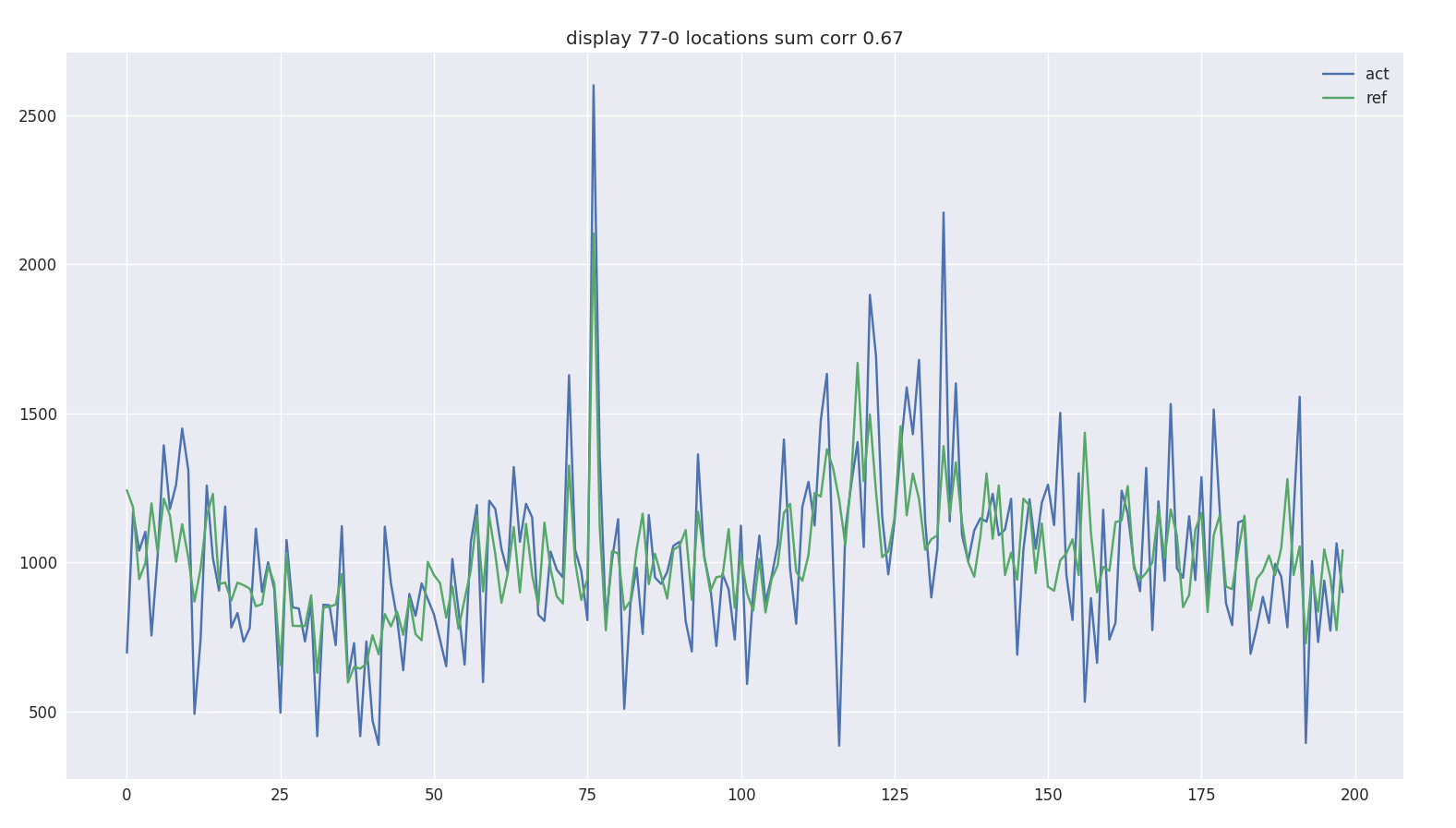
reference vs reference + gaussian noise, a single location might have low correlation
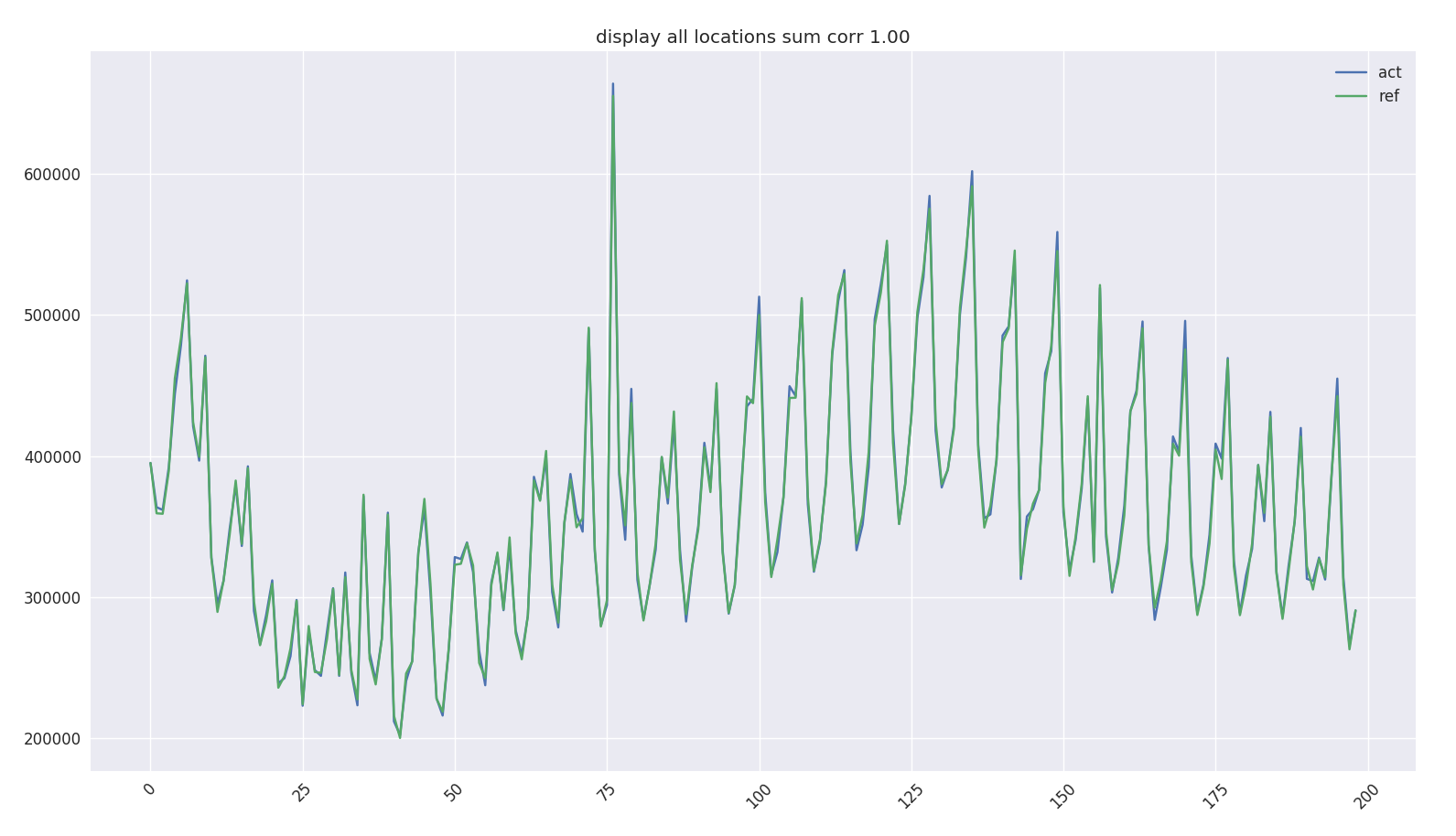
reference vs reference + gaussian noise, overall sum neutralizes the gaussian noise
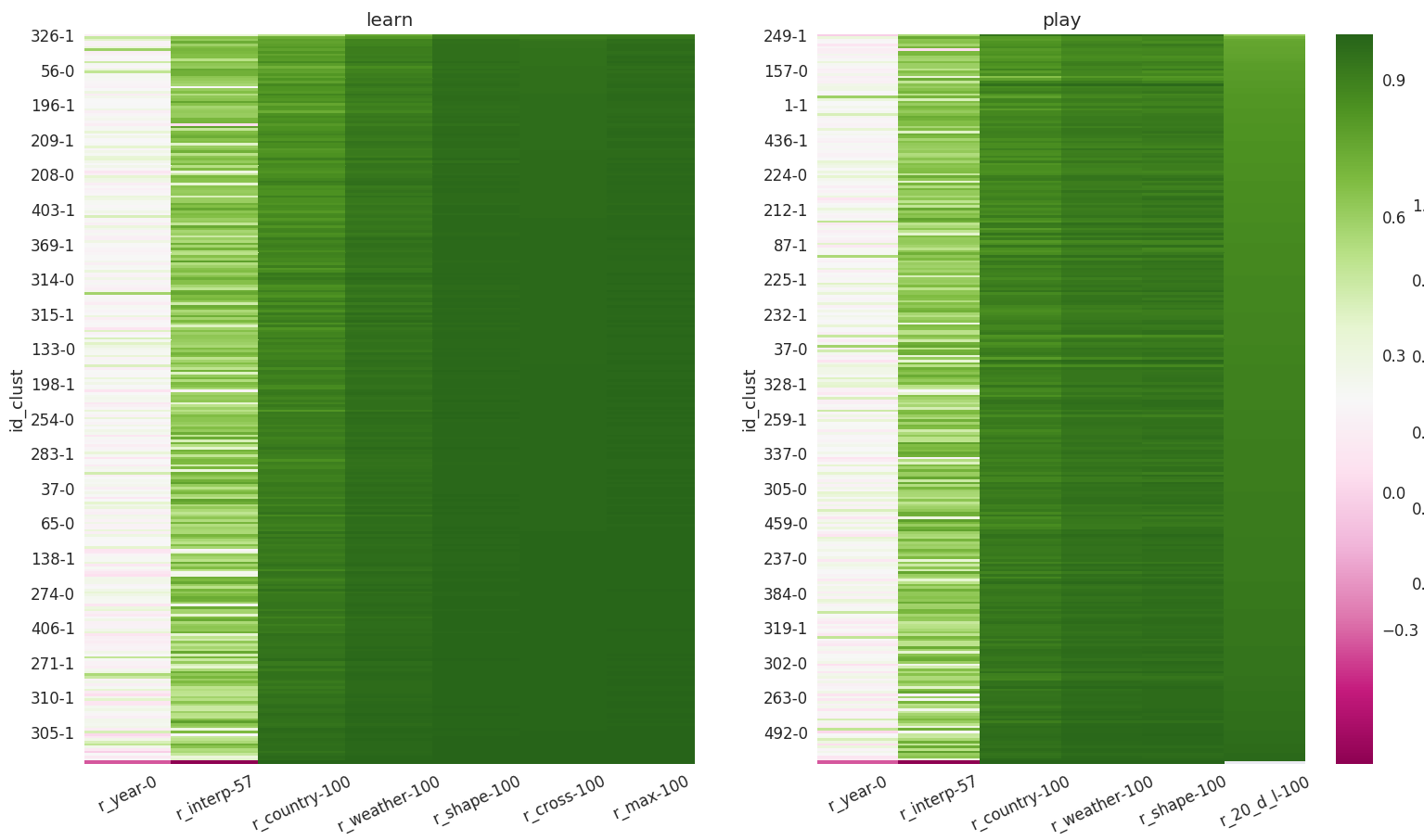
score gauss noise 50%

score gauss noise 90% no smoothing, final score on 30 days
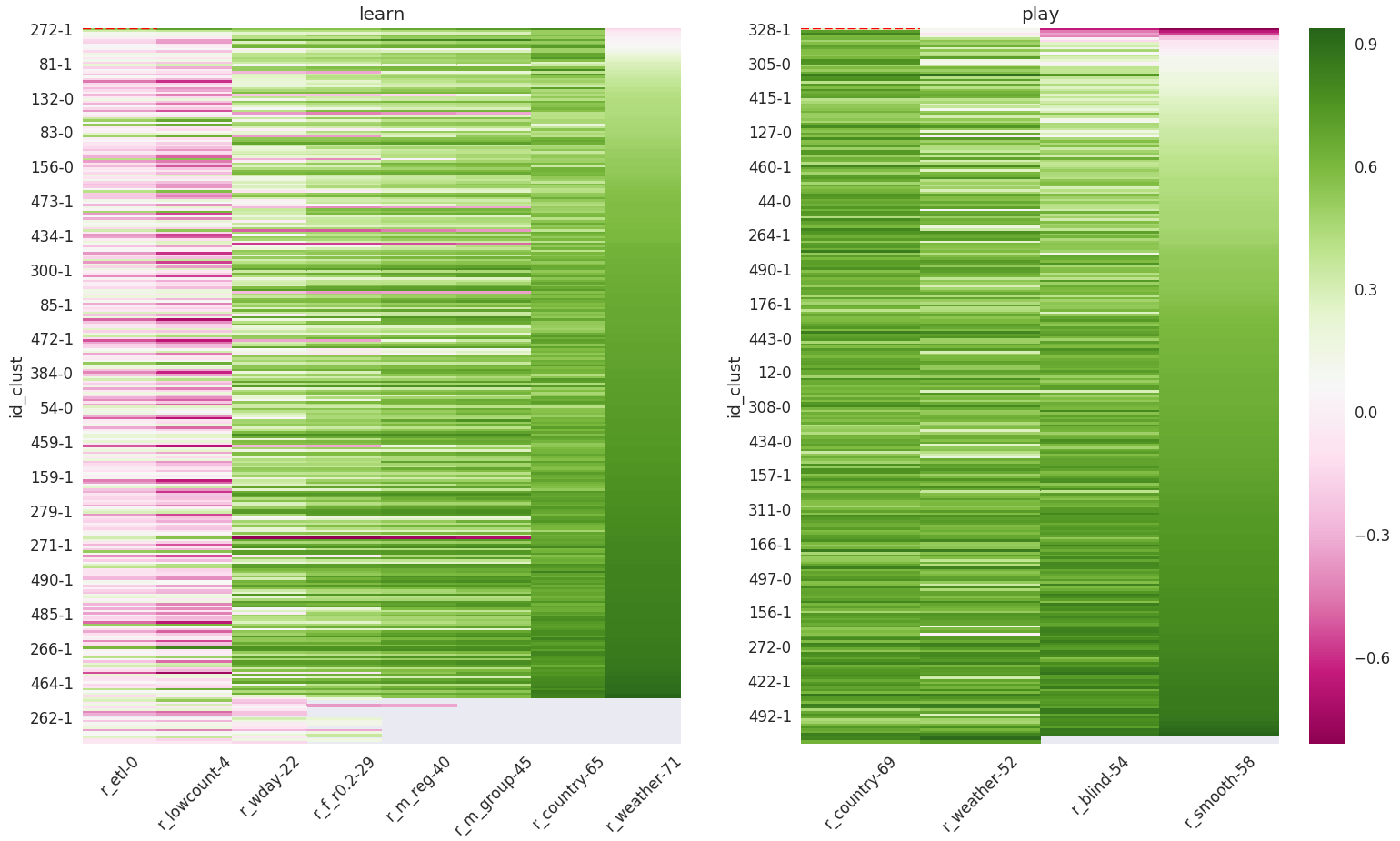
score gauss noise 30%, final score on june
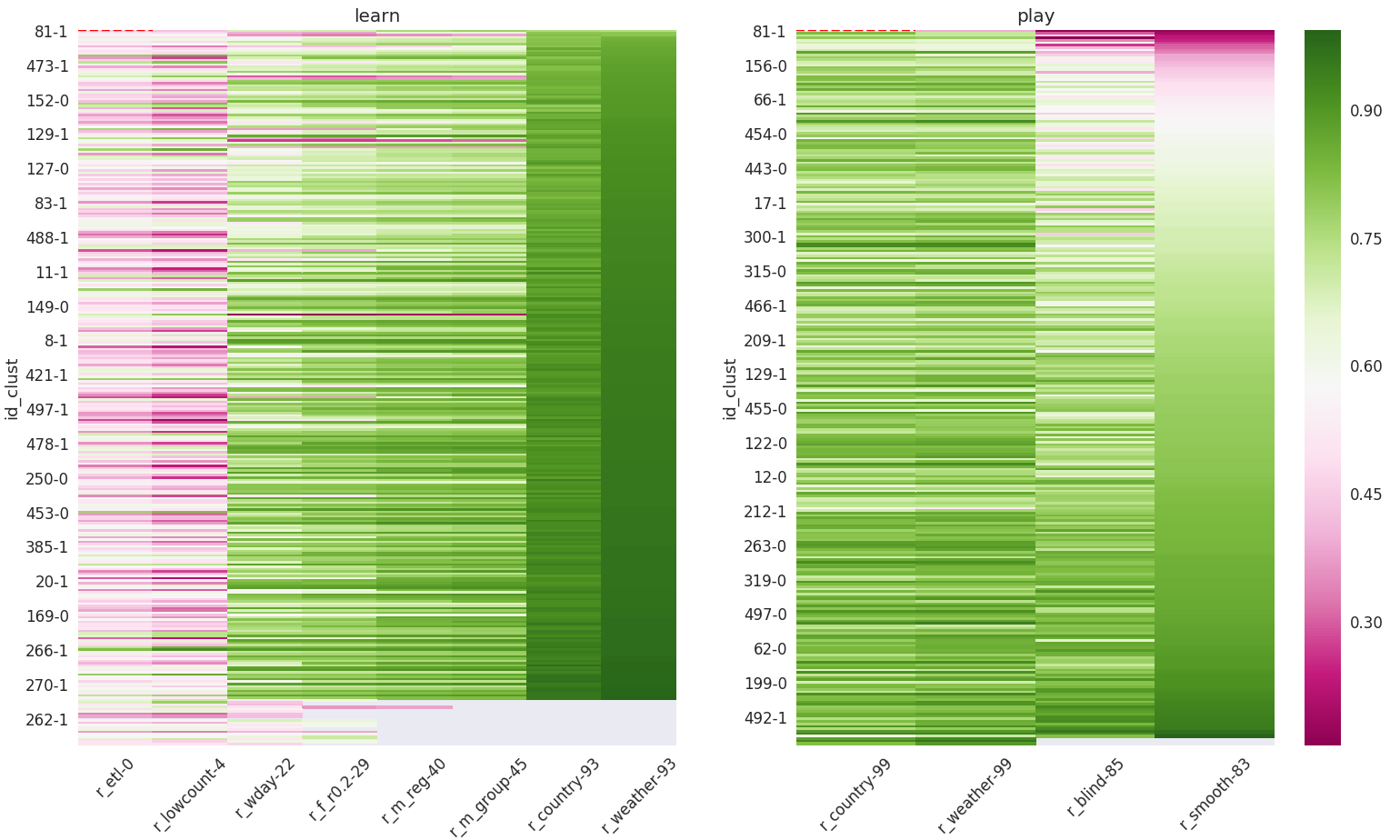
score gauss noise 20%, final score on june
day correlation mapping
We take the first 20 cilacs close to a poi and we calculate activites on daily basis.
Activities are processed with a 20km previous distance filter and we match activity chirality with the poi chirality .
6% of the total cilacs correlates over 0.6 with [reference data../../f/f_year.csv.gz).
The sum of the activities over all country is

no day filtering
We have to filter out bad days
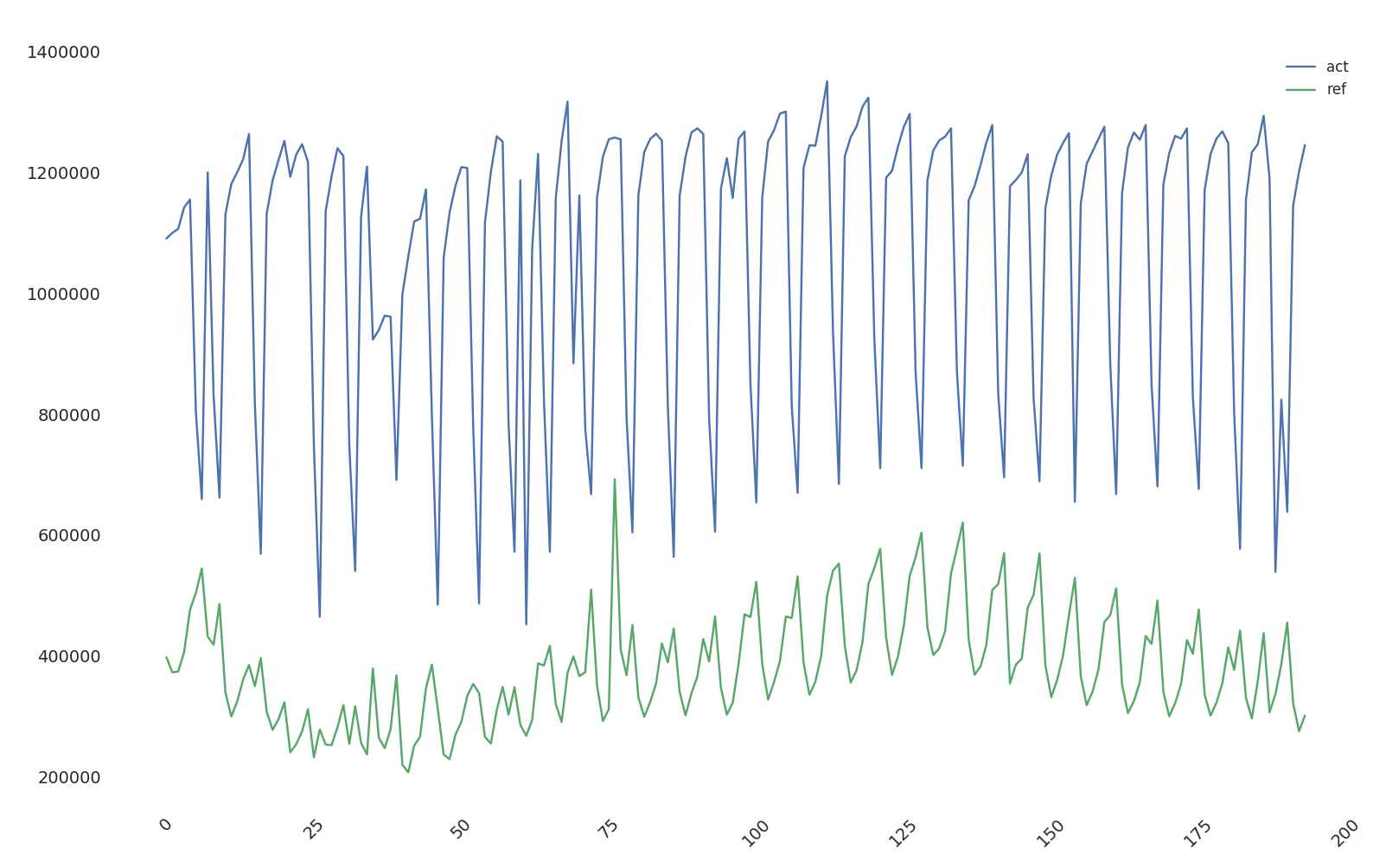
bad day filtering
We perform a weekday correction
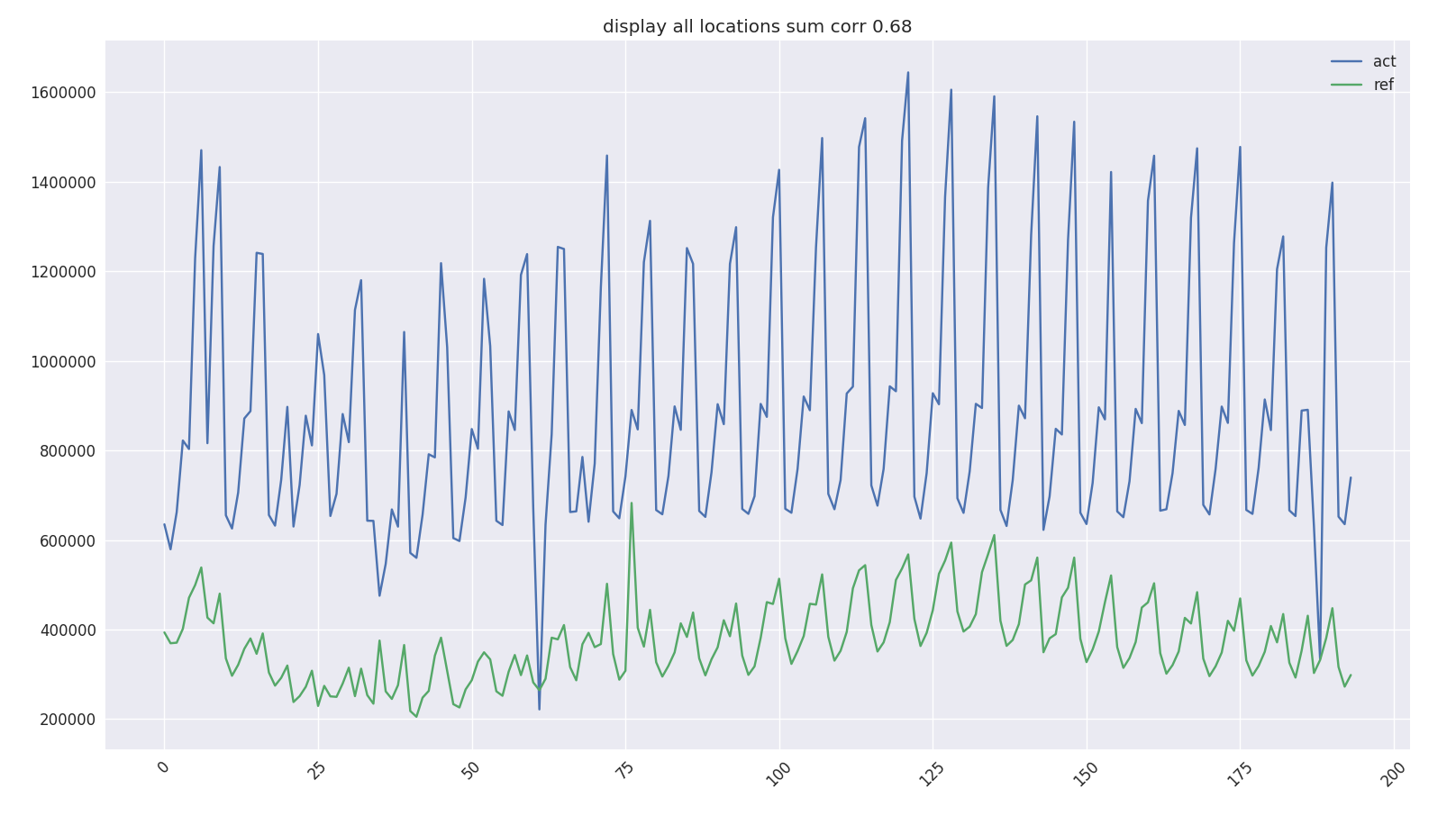
weekday correction
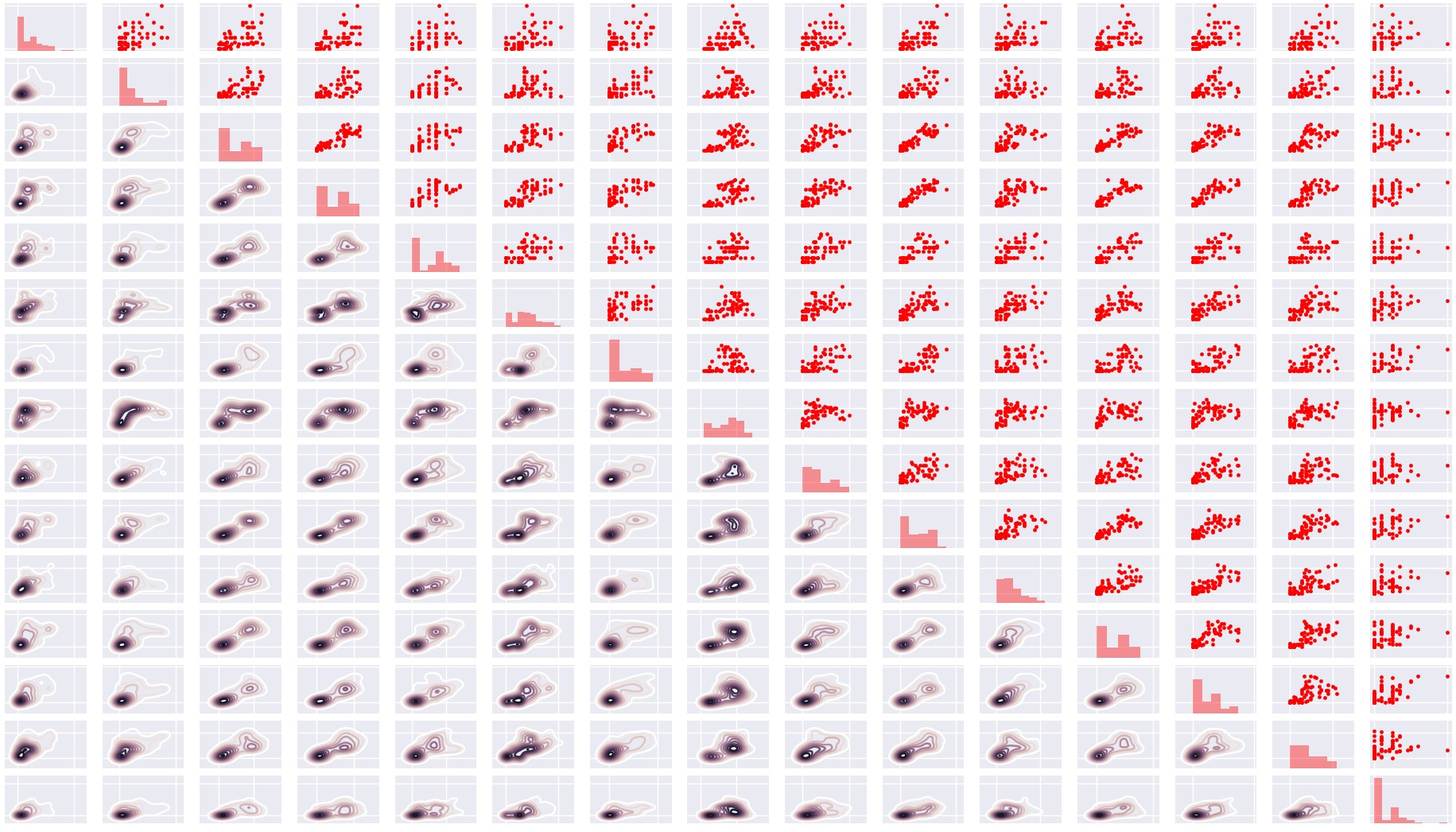
2d correlation between cilac patterns
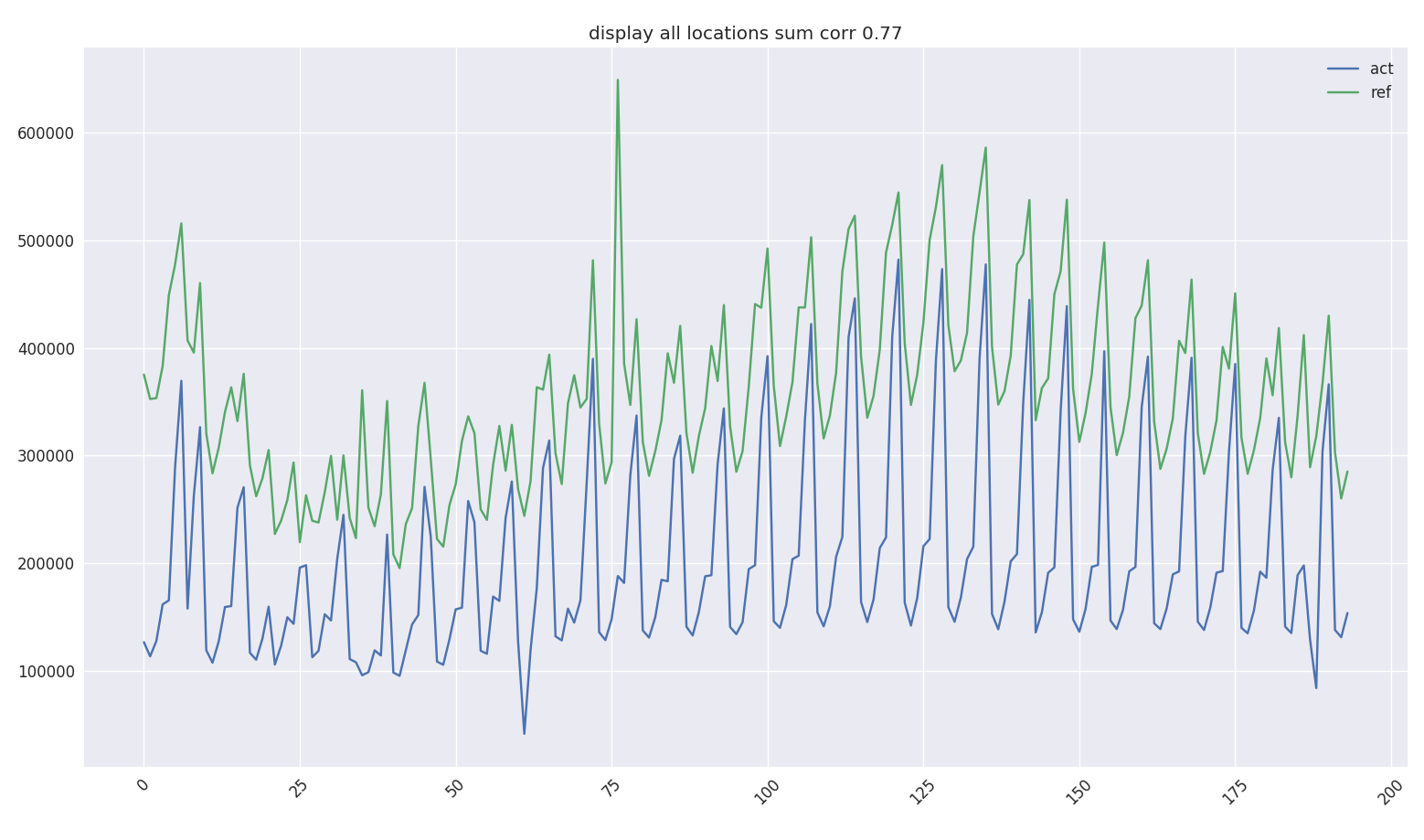
country adjustment
etl - lowcount - wday - filter - reg
00 - 04 - 22 - 30 - 41
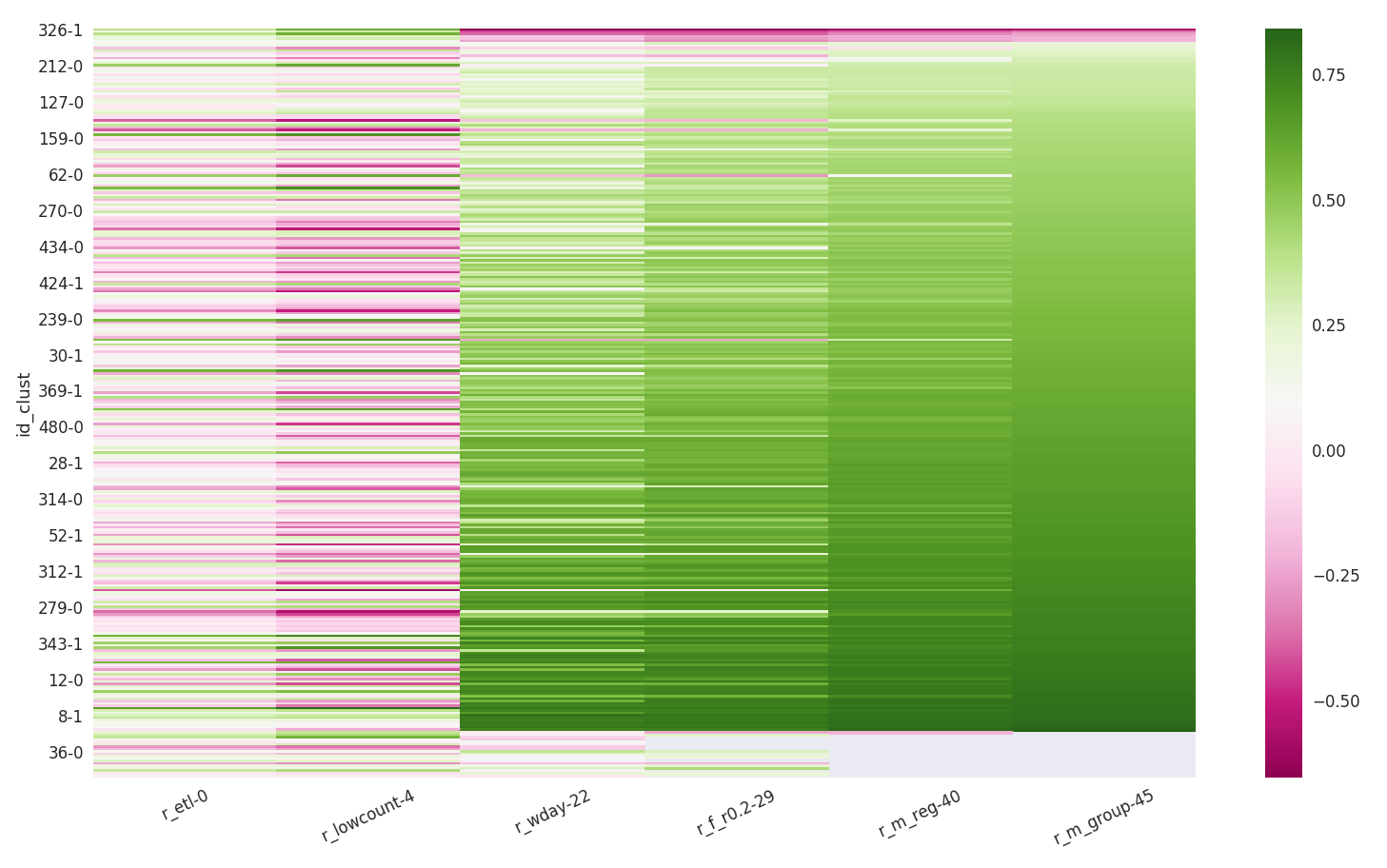
iteration of the new mapping scoring
blind test on real data
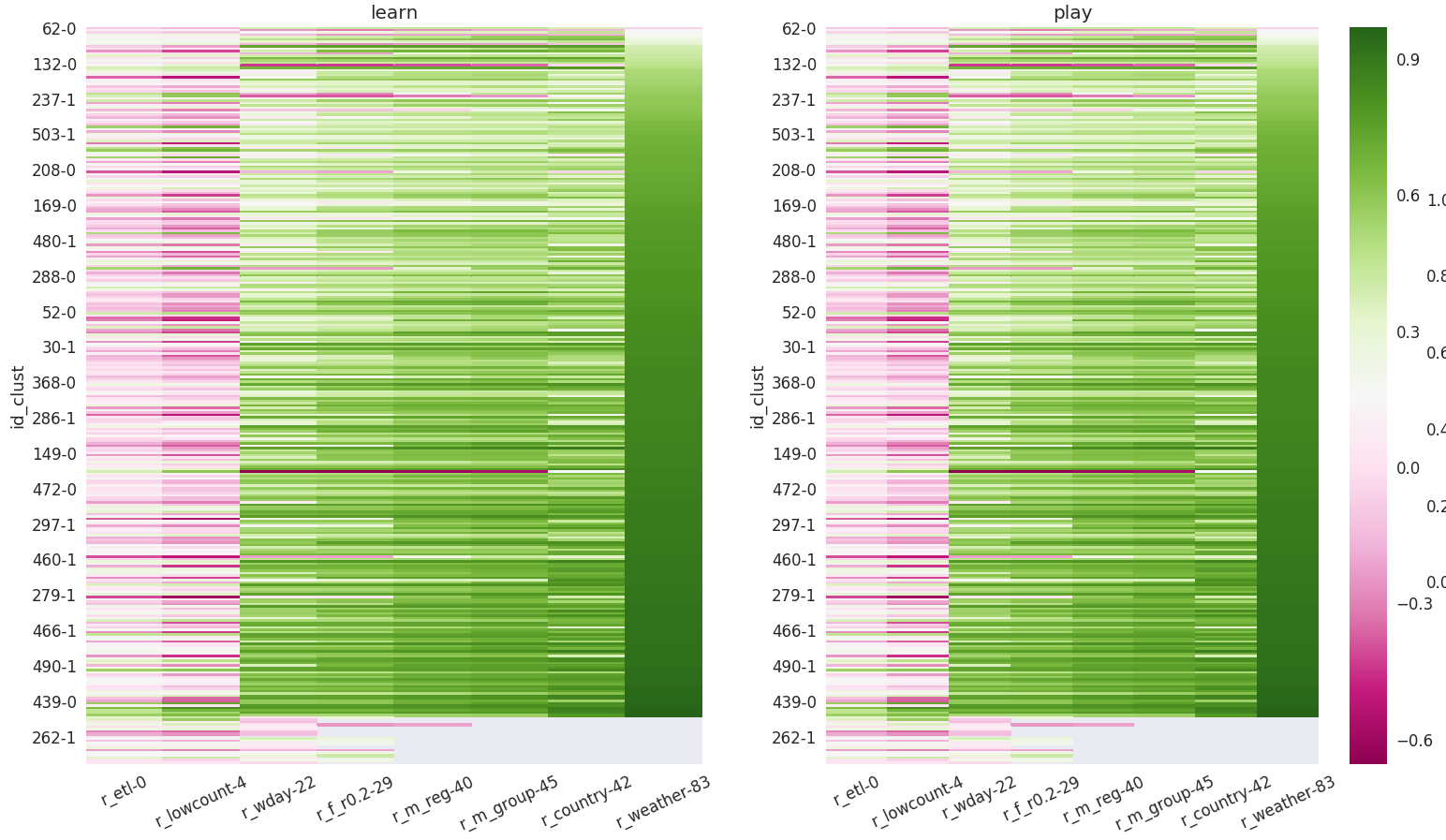
test on performance on learn & play on same days
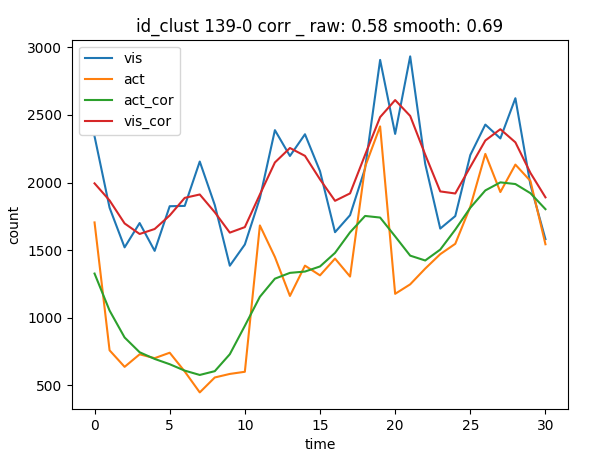
smoothing correlates neighboring events and improves the score, june in blind test
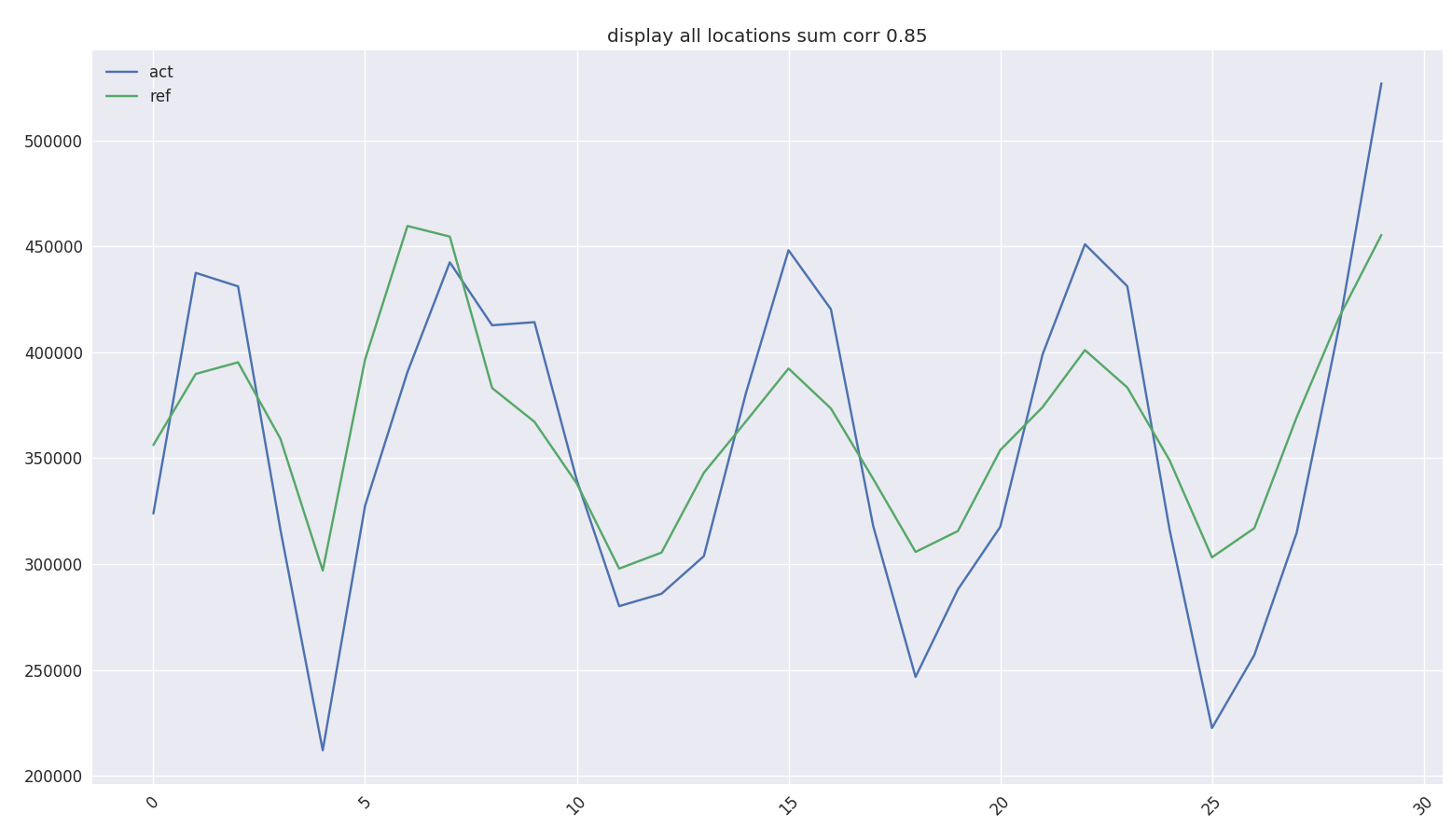
curve blind, june
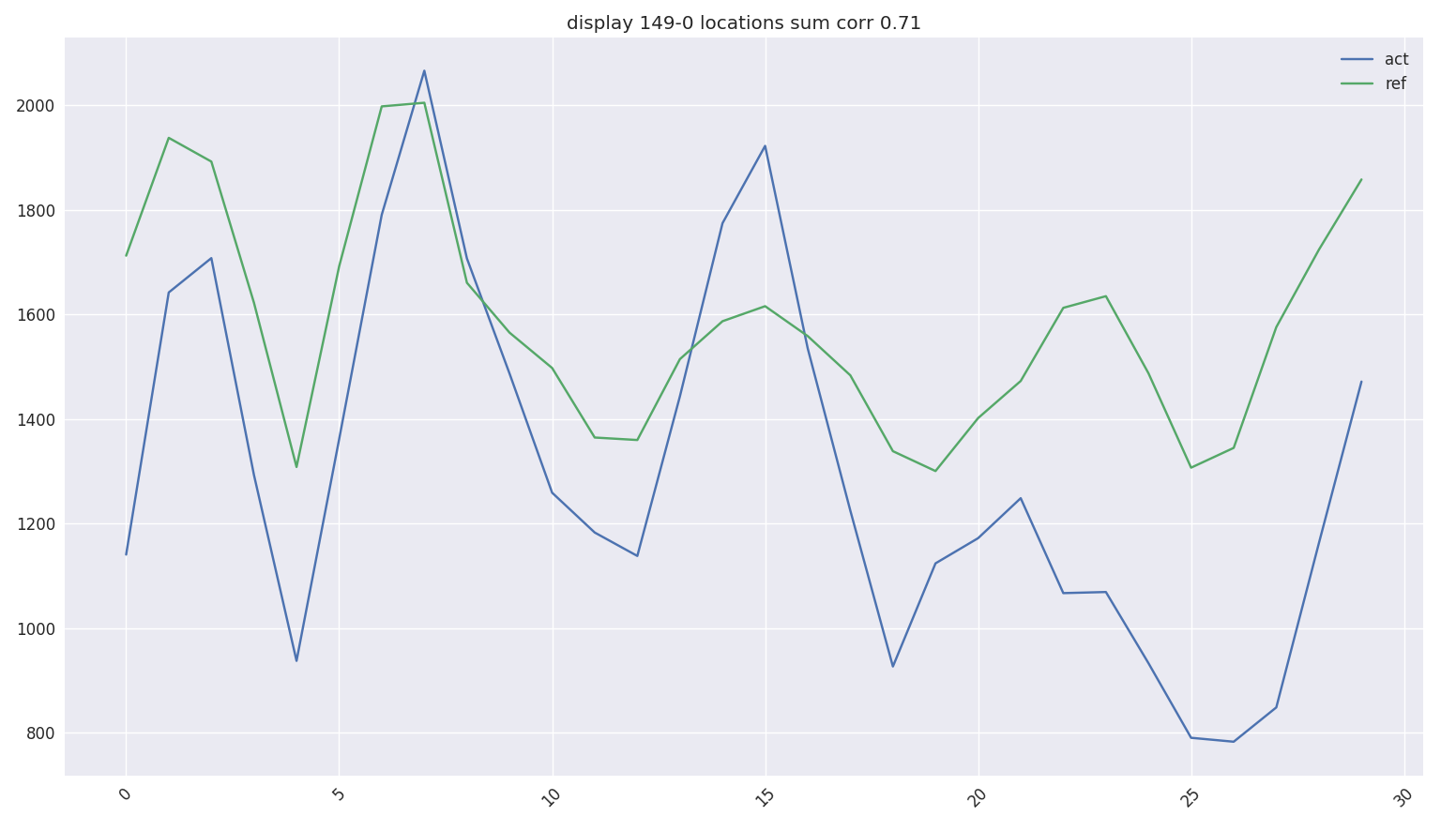
curve blind_single2
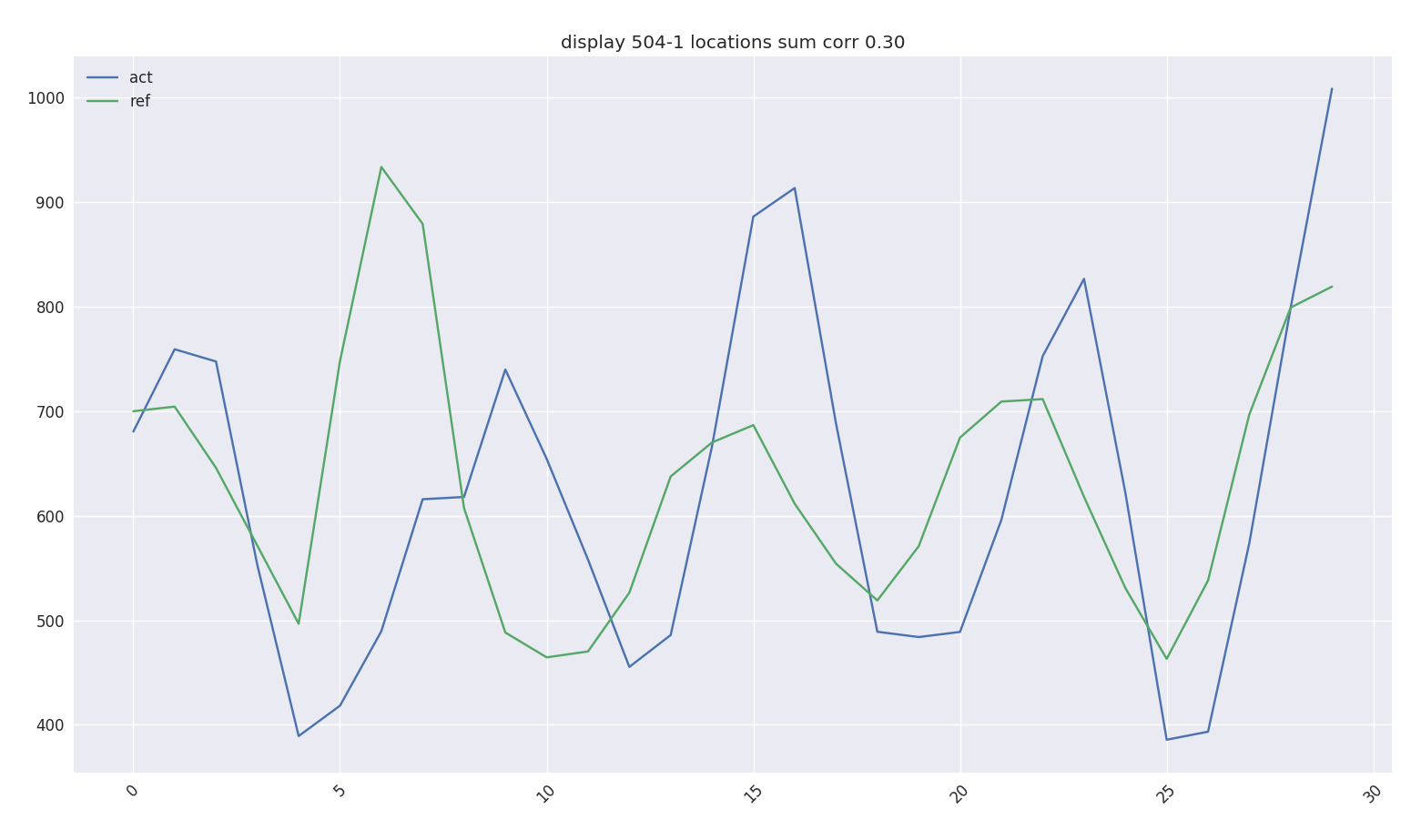
curve blind_single
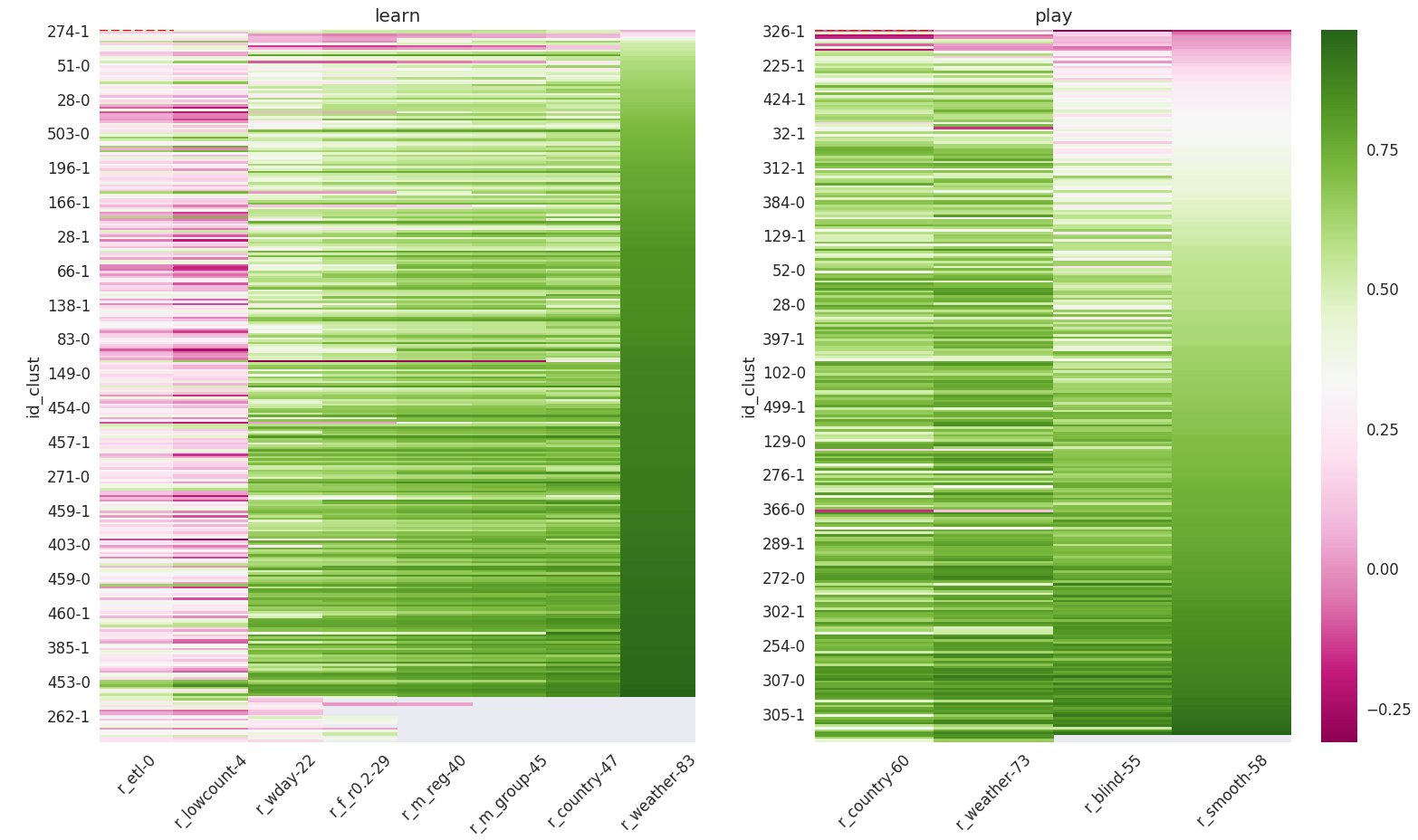
scoring on the different learning steps until blind test
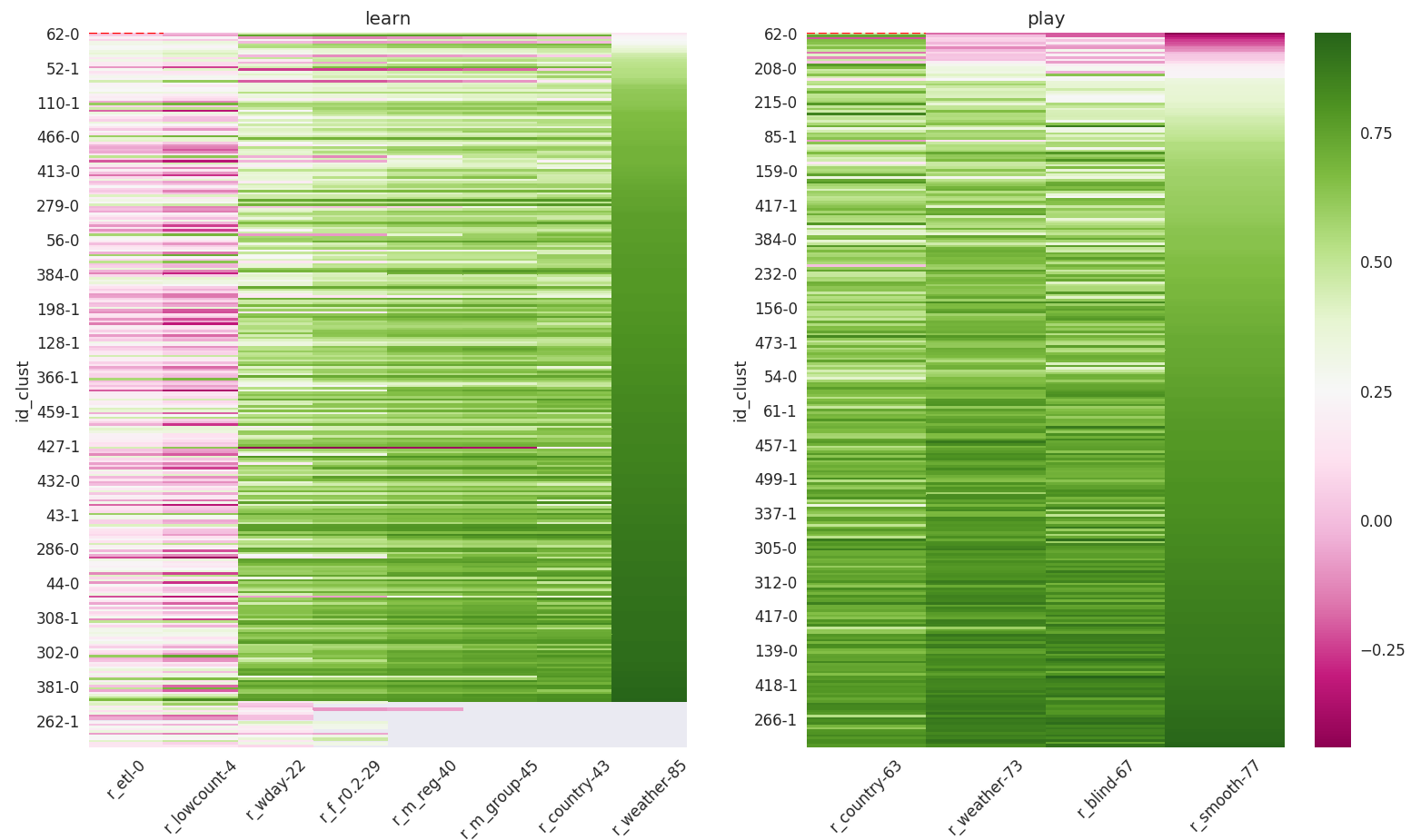
learn play_randomDays
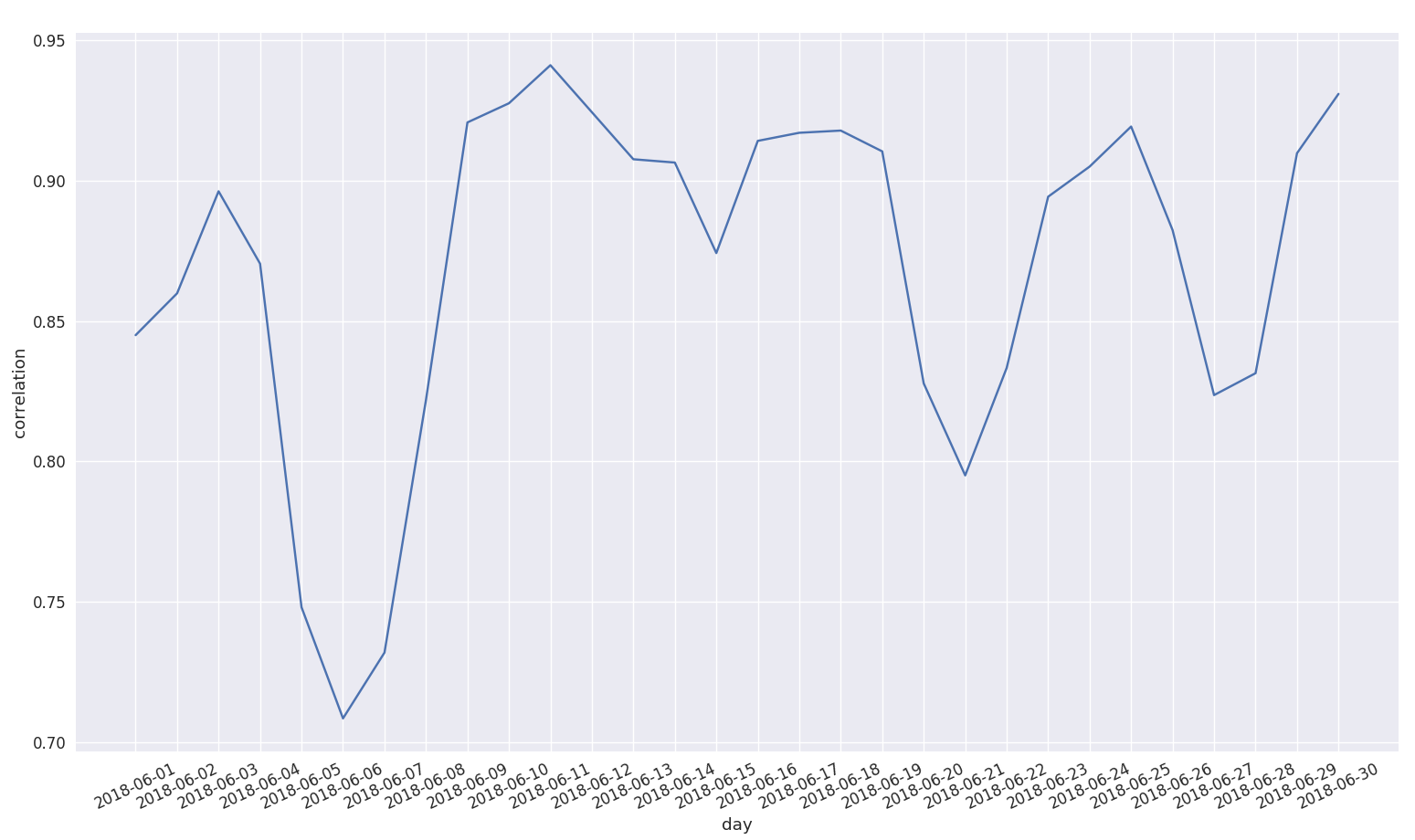
correlation over locations